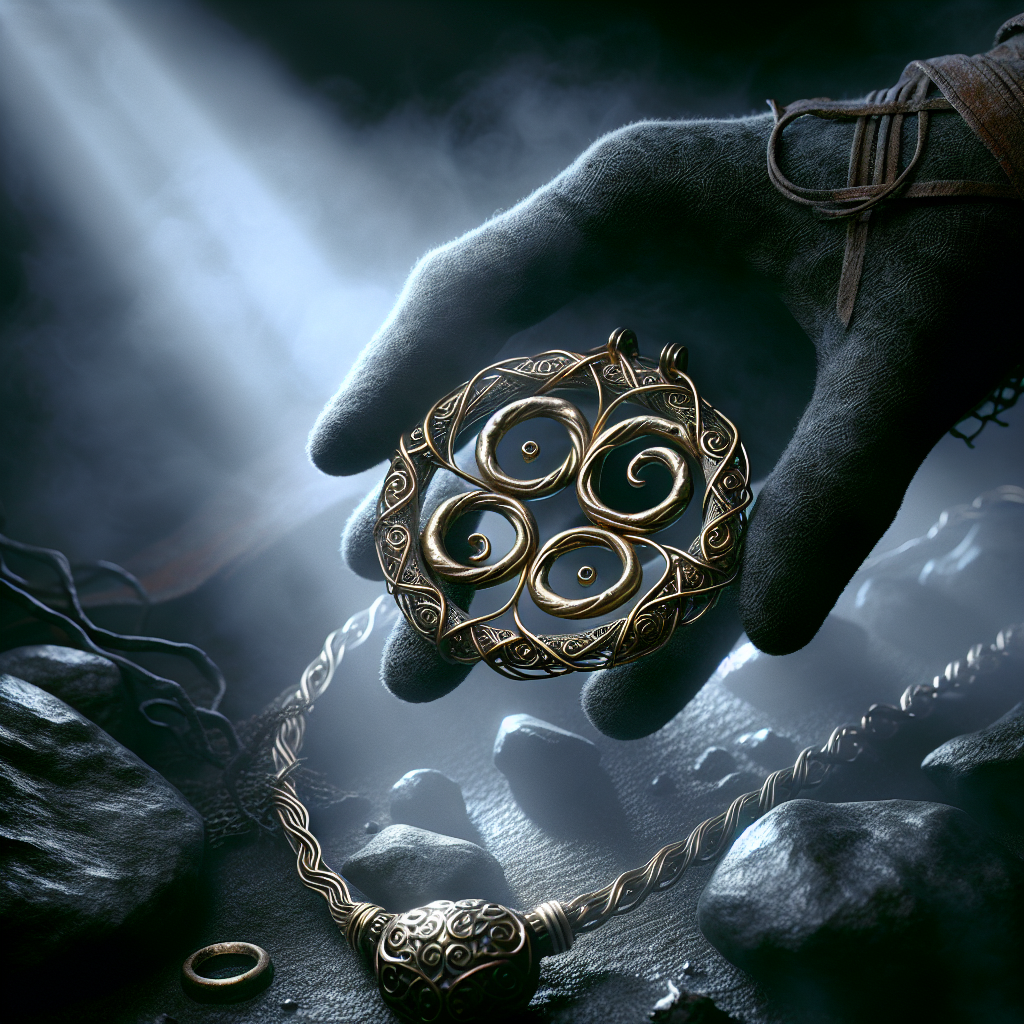

The Sedgeford Torc: A Glimpse into Ancient Craftsmanship
Imagine stumbling upon a piece of jewelry that has been buried for over two millennia, a relic from a time when the world was a vastly different place. This is precisely what happened in 1965 when a remarkable discovery was made in Sedgeford, a small village in Norfolk, England. The Sedgeford Torc, a stunning example of Iron Age craftsmanship, was unearthed by a local farmer. This ancient neck ring, made of gold, is believed to date back to around 75 BC. It offers a fascinating insight into the lives and skills of the people who lived in Britain long before the Roman conquest.
The Sedgeford Torc is not just a piece of jewelry; it is a testament to the artistry and technical prowess of the Iron Age Celts. Crafted from gold, the torc is intricately designed, showcasing the advanced metalworking skills of its creators. The Celts were known for their metalwork, and torcs were often worn as symbols of status and power. The Sedgeford Torc, with its elaborate design, likely belonged to someone of high status, possibly a chieftain or a member of the elite.
The discovery of the torc has sparked interest and debate among historians and archaeologists. Some argue that the torc was a local creation, while others suggest it may have been imported from the continent, highlighting the trade networks that existed during the Iron Age. This debate underscores the complexity of ancient societies and the interconnectedness of different cultures even in prehistoric times.
While the Sedgeford Torc is a remarkable find, it also raises questions about the people who made and wore such items. What did they value? How did they view the world? The torc provides a tangible connection to the past, allowing us to ponder these questions and consider the lives of those who came before us. It reminds us that, despite the passage of time, human beings have always sought to express themselves through art and adornment.
The discovery of the torc also highlights the importance of preserving our archaeological heritage. Each find adds to our understanding of history, offering clues about the social structures, economies, and cultures of ancient peoples. The Sedgeford Torc, now housed in the British Museum, serves as a reminder of the rich history that lies beneath our feet, waiting to be uncovered and studied.
While some may view the torc as merely an artifact, it is essential to recognize its broader significance. It represents a link between the past and the present, a reminder of the continuity of human experience. The torc's beauty and craftsmanship continue to captivate us, just as they likely did for the people who first wore it.
In considering the Sedgeford Torc, it's important to acknowledge the perspectives of those who might see such artifacts differently. Some may argue that the focus on ancient artifacts can overshadow the pressing issues of the present. They might suggest that resources spent on archaeology could be better used to address contemporary challenges. However, understanding our past can provide valuable lessons and insights that inform our present and future.
The Sedgeford Torc is more than just a piece of ancient jewelry. It is a window into a world long gone, a testament to human creativity and ingenuity. As we continue to uncover and study such artifacts, we gain a deeper appreciation for the complexity and richness of human history. The torc reminds us that, despite the vast differences in time and culture, there is a shared human desire to create, to adorn, and to leave a mark on the world.