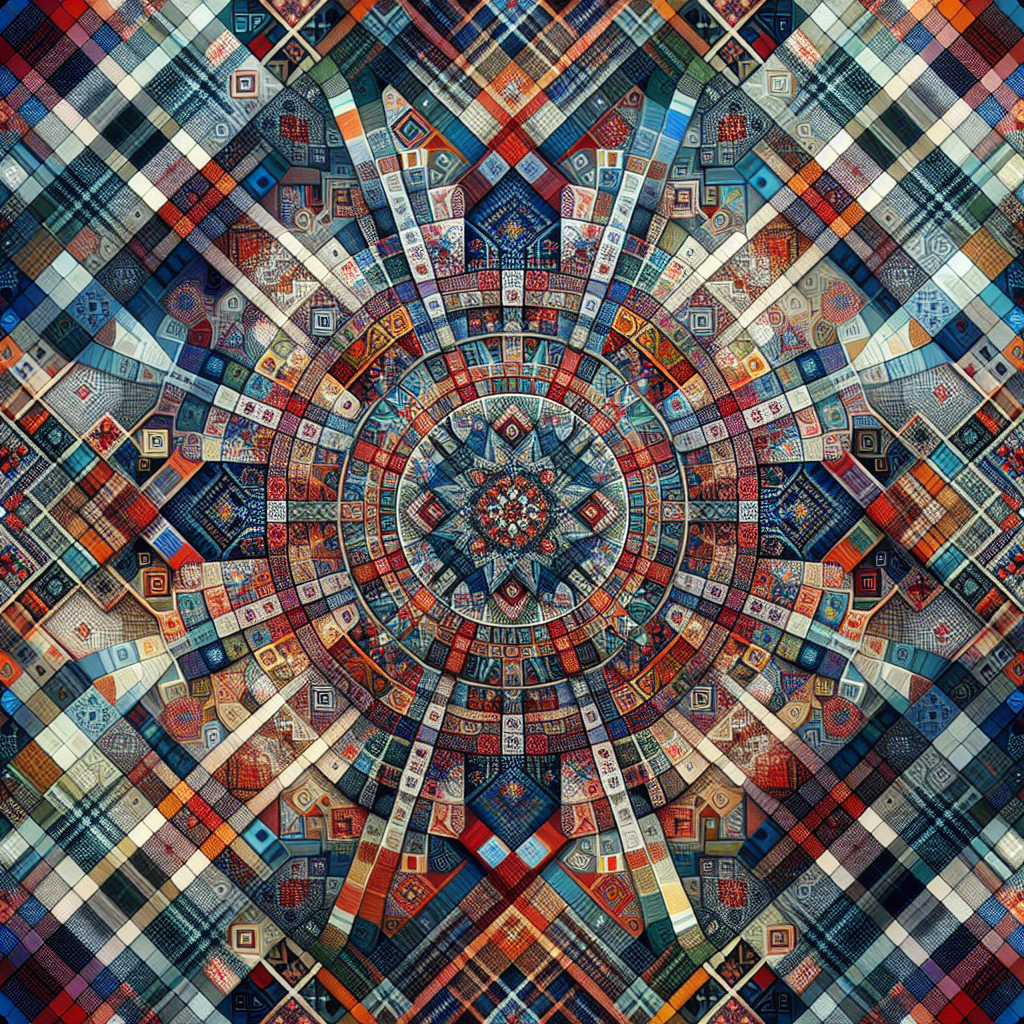

If you've ever wondered why anyone would willingly wrap themselves in a patterned woolen material on a brisk Scottish day, then you're about to embark on a journey into the Scottish Register of Tartans. Launched in 2008, the Scottish Register of Tartans is essentially a giant fabric database; a governmental tapestry preserving the history, culture, and personal stories intertwined in these vibrant textiles. Based in Edinburgh, its primary task is to compile all known tartans that spread beyond mysterious looms to ceremonial kilts, worldwide pride, and even peaceful political protests.
Tartans aren't just about aesthetics or warmth on a cold night in the Highlands. They're living fabrics that denote clan connections, celebrate personal achievements, or even mark moments of history. In contemporary Scotland, they are embraced by individuals from across the political spectrum. Some see tartans as a celebration of identity and heritage—proudly promoting cultural roots. Others, however, feel tartans may symbolize an exclusive past that they need to transcend. There are tartans for every sentiment, cause, and occasion.
As political climates shift, tartans often become tools for expression. The Scottish Register of Tartans embodies this narrative, inclusive of both tradition and modern significance. It's a platform for everyone to register new tartans—a feature which allows them to thrive well beyond their traditional uses.
However, getting a new tartan registered isn’t as simple as a whimsical design impulse. The process requires legitimacy and a description of your tartan's purpose. Whether intended to honor a new family branch or to support a contemporary social cause, the tartan you present needs a story.
The story of tartans takes us back centuries. Originally, they were simple relationship markers in Scottish pastoral society. Over time, colorful designs evolved, combining regional dyes with intricate patterns. This evolution shows how dynamic and international Scotland’s story is. It is interesting to note how tartans have grown to symbolize pride worldwide far beyond the Scottish clans.
Understandably, tartans raise discussions about heritage. For some young Scots, tartans are a proud nod to the past. Among Gen Z, celebrating heritage without forgetting inclusivity or modern values opens dialogue on reinterpreting history while celebrating culture. Opposingly, others may feel these represent overly romanticized notions of a history more complex than any weave can depict. This nuanced relationship with history opens conversations about preserving tradition in a rapidly modernizing world.
One Gen Z’er might look at a tartan and see a nod to family, while another may see a symbol ripe for reinvention. This diversity isn't just represented in feelings; it’s woven into the many colors and motifs within tartans themselves.
Beyond cultural identity, modern tartans also explore political advocacy and social commentary. When debating the relevance of tradition in contemporary politics, tartans sometimes become emblematic. An emblem picked up by people seeking a re-formed truth, like those advocating for independence or greater cultural autonomy in Scotland.
For instance, tartans registered post-2008 demonstrate both practical and imaginative uses. They've expanded into areas like ecological awareness and community-driven projects, with new patterns urging solidarity for causes beyond borders. This inclusive turn reflects ever-growing conversations around Global Scotland.
By maintaining these fabrics' legacies within the Scottish Register of Tartans, we see the rich tapestry that is part nostalgia and part activism.
The Scottish Register of Tartans isn't just an archive sitting in the heart of Edinburgh. It's a living document. It shares personal narratives, symbolic interpretations, reflecting hands-on creativity across generations. So whether tartans make you think of rustic highlands or a more profound cultural ethos, one thing is clear—they've sewn themselves into the global conversation, and their threads aren't easily snapped.