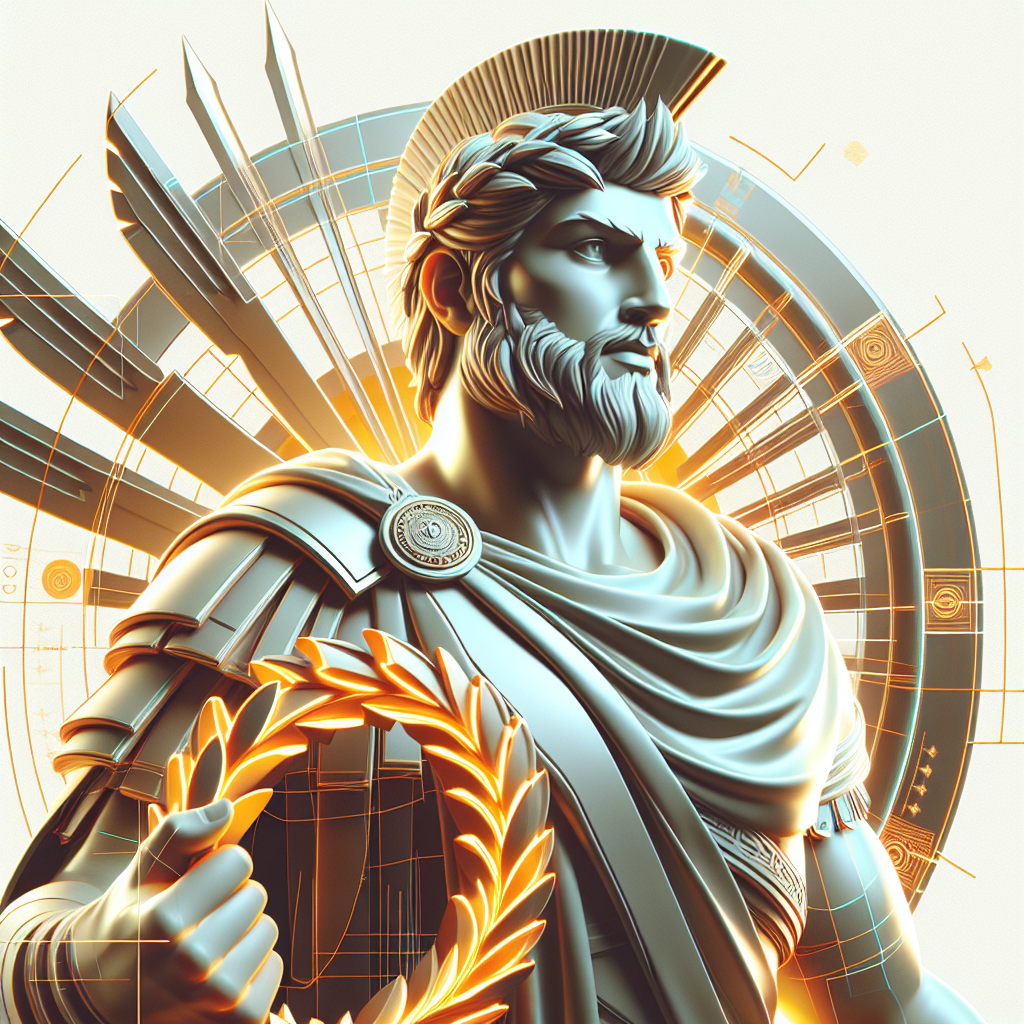

Imagine being so impressive that both your friends and enemies remember you for centuries. Scipio Africanus, the man behind Rome's victory against the formidable Hannibal, managed just that. Born in 236 BCE into a world on the brink of transformation, he grew up during the Second Punic War between Rome and Carthage. By the time he became a general, he had to face the strategic genius of Hannibal, a Carthaginian who tore through the Italian peninsula as if it were his backyard.
Scipio’s rise wasn't automatic or without hurdles. He was largely an outsider; this was a time when political power in Rome was reserved for the old guard. Yet, through a mix of bold military moves and personal charisma, he secured leadership at a remarkably young age. When he became the general of the Roman army in Spain, he proved his worth by capturing the enemy's precious Iberian territory, which not only boosted his profile but also weakened Carthage’s hold on the region.
His brilliance was on full display at the Battle of Zama in 202 BCE, where he did what many considered impossible—defeating Hannibal. Unlike previous Roman generals, Scipio learned from Hannibal’s tactics, adapting them to suit his forces. His strategic use of cavalry and inverted Hannibal's famous pincer movements stunned and dismantled the Carthaginian forces, earning Rome a decisive victory.
But it wasn't just about war. Post-conflict, Scipio returned to Rome not just as a war hero but a peacemaker, advocating for a more moderate approach in dealing with Carthage. Now, in our modern times rife with polarized politics, such an approach can feel positively alien. Imagine a senator who prioritizes reconciliation over retribution. That was Scipio, who argued that excessively punishing Carthage would only lead to more conflict. Unfortunately, not everyone saw wisdom in his words. Some senators wanted the spoils of war, undeterred by Scipio’s warnings.
Viewing Scipio from today’s perspective makes history a rich case study. On one side, he represented innovation, challenging the status quo with fresh ideas and new strategies. On the other, he faced the age-old hurdle: resistance to change from those wedded to established norms and personal gain. It's a timeless struggle, and one that Millennials and Gen Z can find all too familiar.
The opposition to Scipio wasn’t just political. His victories and subsequent fame didn't sit well with other Roman generals, making him an object of envy and sometimes underhanded criticism. He had transcended the typical Roman path to power and success, making him something of a social disruptor.
Even after he was accused of financial misconduct—a standard smear tactic then and now—his defense in the Roman Senate became legendary. He didn’t resort to pleading innocence on account of guilt. Instead, he simply reminded them of Zama and the peace he had bought Rome. It was like mic-dropping in the ancient way. A part of the audience was ruffled, but it resonated with the masses, and that holds lessons in courage and the ongoing battles of personal versus public perception.
What does all this say about leadership in the evolving socio-political landscape? At its core, Scipio’s journey underscores the balance between innovation and tradition, individual prowess and collective welfare. The successes and struggles of Scipio Africanus aren't just stories from dusty history books; they intimately connect to debates over power, justice, and reform that echo throughout societies even today.
In discussing Scipio, we see that real strength doesn’t just come from force or winning battles. It’s also about carrying the burdens of leadership, encouraging a healthier post-war world, and recognizing the constant push-pull between moving society forward and combating those who resist change.
For a new generation keen on questioning norms, Scipio Africanus offers lessons in resilience, informed rebellion, and, more importantly, the courage to challenge the rigid systems helmed by the established power. His career paints a complex picture reminding us that real progress involves moments when the unthinkable becomes possible merely because someone dared to think it first.