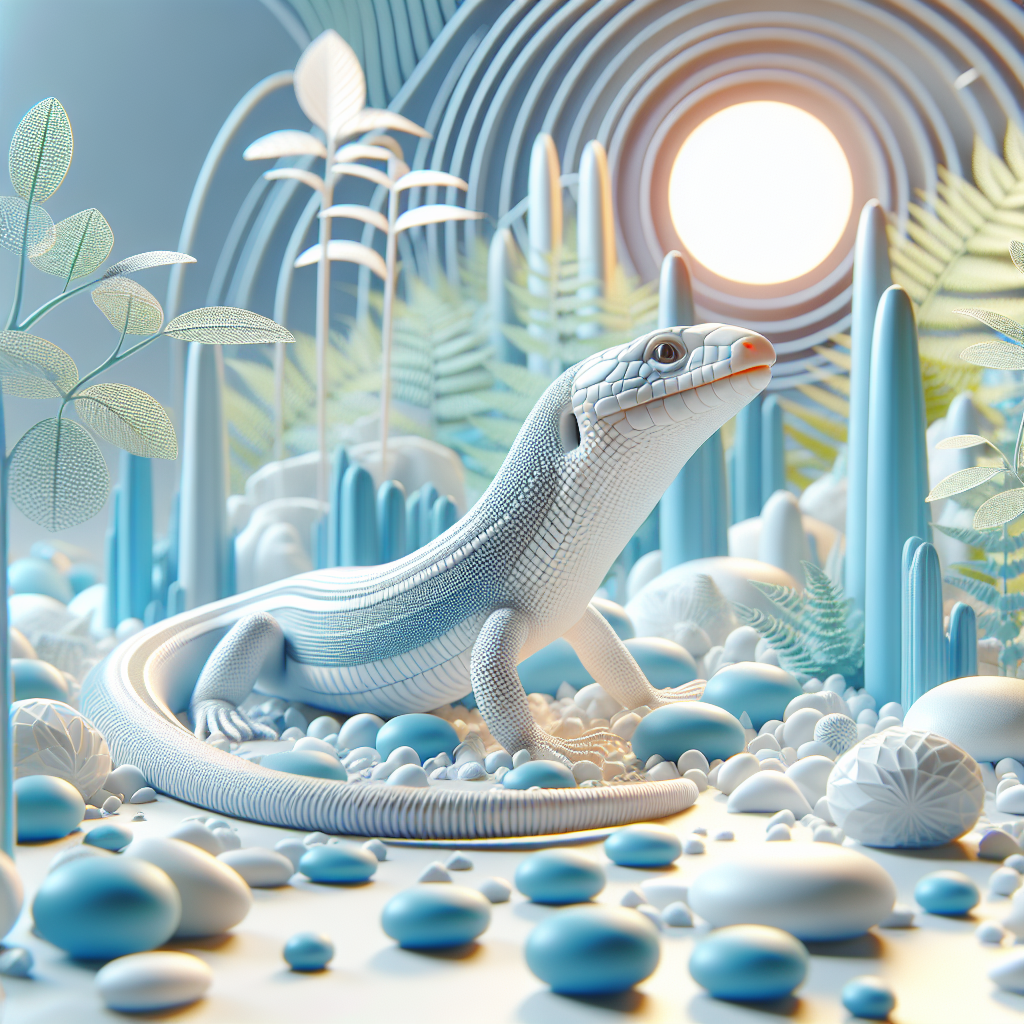

Isn't it fascinating how some creatures blend into their environment, donning nature's finest camouflage, while others flaunt their vibrant hues? Enter Schneider's skink, a dazzling reptile that hails from the sun-kissed lands of North Africa, Southern Europe, and parts of Western Asia. Known scientifically as Eumeces schneiderii, this intriguing lizard has been captivating herpetologists and nature enthusiasts alike.
First documented in 1802 by Johann Gottlob Schneider, a German zoologist whose name this skink proudly bears, the lizard has a unique charisma. It prowls the open scrublands and rocky terrains, regions where it can soak up the sun and hide in crevices. With its sleek, elongated body and a striking pattern of bands and striations, the Schneider's skink is a spectacle of nature's artistry.
Amongst reptiles, skinks often fly under the radar, but the Schneider's skink stands out—literally and figuratively. These skinks can grow up to 40 cm, making them one of the larger members of their family. With their glossy, overlapping scales that shimmer under sunlight, they are not just survivors, but they do it with panache.
Beyond their captivating appearance, these skinks play a vital role in the ecosystem. They help control pests by feasting on a diet of insects and other small invertebrates. This pest control service is important not only for maintaining the natural ecological balance but also for agricultural settings where pests can pose significant challenges. Many farmers approve of these skinks for this very reason.
Yet, despite their charm and utility, these skinks face challenges that could affect their survival. Habitat destruction, a global consequence of expanding human activities, threatens their natural habitats. Urbanization, agriculture, and infrastructural development encroach on the open, arid regions these lizards call home. This clash of interests paints a vivid picture of the often-complicated relationship between humans and wildlife.
Schneider's skinks are also part of the exotic pet trade—a point of contention among conservationists and reptile enthusiasts. On one hand, keeping skinks as pets can aid in appreciation and education about reptile species. However, this demand can lead to the over-collection from the wild, posing a threat to their population.
Education about sustainable and ethical practices is crucial, not just for those in the pet trade but for anyone interested in wildlife conservation. Understanding the impacts of our actions on ecosystems encourages more conscientious interactions with the natural world. Efforts to protect the habitats these skinks rely on are essential in ensuring their future.
Some may argue that nature should take its course without human intervention. Yet, given the anthropogenic factors impacting their survival, many believe it's our responsibility to step in. Creating reserves and protected areas can help mitigate habitat loss, and establishing breeding programs can offset some of the pressures from the pet trade.
The tale of the Schneider's skink is a microcosm of broader environmental challenges. It highlights how biodiversity is interlinked with human activities and how striking a balance is necessary for coexistence. Respecting these connections can lead to policies and personal choices that reflect an awareness of environmental stewardship.
Much like the skink's mesmerizing dance across sunlit stones, our journey with these reptiles leaves an impression. Schneider's skinks remind us of the beauty and complexity present in even the smallest corners of our shared world. Being mindful of this balance and making thoughtful decisions about how we interact with nature is not just an environmental issue but an integral part of our societal narrative.