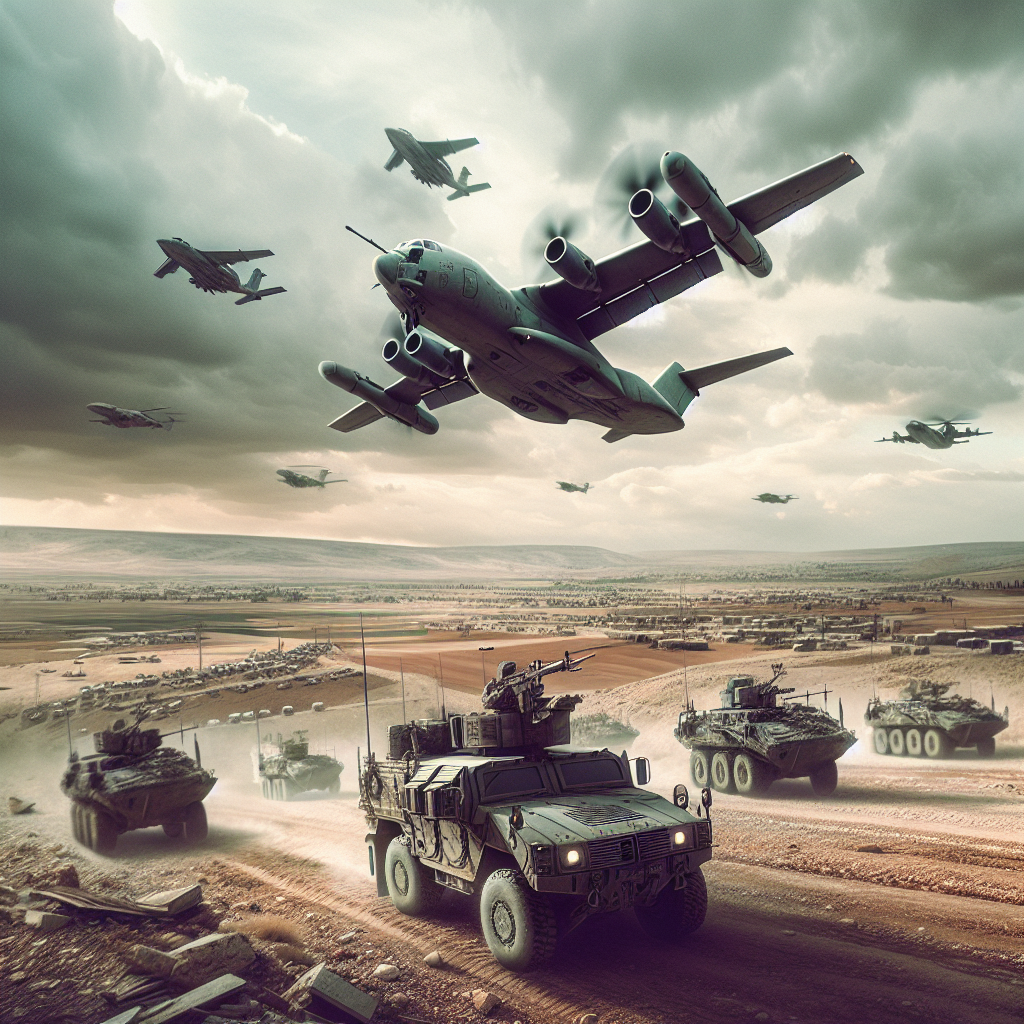

Ever wondered why Russia decided to join the Syrian Civil War party, bringing nukes to a knife fight? Picture 2015, when Vladimir Putin decided to step in as a pivotal player in the conflict, solidifying Russia's interest in the region. Syria became more than just a battleground for its own freedoms and chaos; it transformed into a stage for global power plays. Moscow’s involvement was strategic, stemming from its long-standing alliance with Bashar al-Assad, a way to assert dominion and protect its geopolitical interests. What started as support based on military and economic interests turned into a defining chapter in Russia's foreign policy.
Russian interventions in Syria were distinguished by airstrikes that hit rebel strongholds, often making headlines. Despite claims of targeting ISIS, many of these military actions impacted rebel groups opposing Assad, some backed by Western organizations. Russia’s presence was not just about safeguarding Assad but also about securing its Mediterranean naval facility, the only one it maintains outside the former USSR. By acting decisively, Russia sought to sway outcomes favorably, maintaining a foothold in the Middle East and projecting power globally.
Asserting control was not without its controversies and consequences. Civilian casualties and widespread destruction ignited debates. Critics argue Russia exacerbated the humanitarian crisis, prioritizing geopolitical leverage over local suffering. Yet, from Russia's perspective, their involvement is labeled an effort to combat terrorism and restore 'legitimate' governance. For Putin, it was a demonstration of Russia as a force to be reckoned with, a reminder of the bipolar Cold War days.
Discussions around Russia's role can't exclude U.S. interests in the region, amplifying the tension. American policymakers often accused Russia of destabilizing efforts and failing peace initiatives. This multifaceted conflict wrapped Syria in layers of international agendas, leaving many with little choice but to evaluate which foreign power best aligns with their survival.
It’s crucial to understand the wider perspective—why Russia might feel justified or even driven to intervene as they did. Protecting economic interests, especially in energy sectors via Syria's geographical location as a strategic channel, was paramount. Securing trade routes and minimizing Western control in oil-rich territories were parts of this complex equation. Simultaneously, showcasing military might acted as a barometer for Russia’s reassertion on the world stage.
Critics, particularly from Western nations, paint Russia’s presence in Syria as a dire exacerbation of violence and suffering. They argue it is less about regional stability and more about power projection and military testing grounds. Reports of atrocities, intentional or collateral, fuel these narratives, perpetuating a cycle of distrust and fear.
Yet, Russia counters these arguments by highlighting Western intervention failures, like in Libya, stressing their actions serve a stabilizing cause. In their narrative, intervention is synonymous with preserving a sovereign state against fragmentation by terrorist insurgents.
Exploring socio-political outcomes adds to understanding this scenario's complexity. Russia used the Syrian conflict as a diplomatic tool, engaging with Turkey and Iran to form uneasy alliances. These maneuvers affected regional power dynamics and left a mark on how international diplomacy is shaped amid warfare.
Through this lens, the Syrian battleground becomes a chessboard for strategic supremacy, with innocents caught between power players. For younger generations observing from afar, the conflict is a grim reminder of war’s cost and the importance of empathy in global politics. Gen Z, growing up with insights facilitated by the internet, sees this war differently—challenging mainstream narratives with a critical lens on historical contexts and media biases.
As global citizens, viewing Russia's operations within Syria requires dissecting complex motivations and outcomes. It's a narrative where political ideologies clash, reflecting broader issues like global hegemony, humanitarian responsibilities, and sovereignty. No perspective stands isolated; socio-political tapestries are woven through these connections.
By watching the drama unfold from newsfeeds, Gen Z gets to witness a live historical narrative—one challenging yet enriching. It questions the balance of ethics in power dynamics, emphasizing the role of social justice. As international ties become ever more interconnected, understanding conflicts like Syria’s under the spectrum of foreign influence becomes more than key—it shapes the future perspectives of global peace and governance.