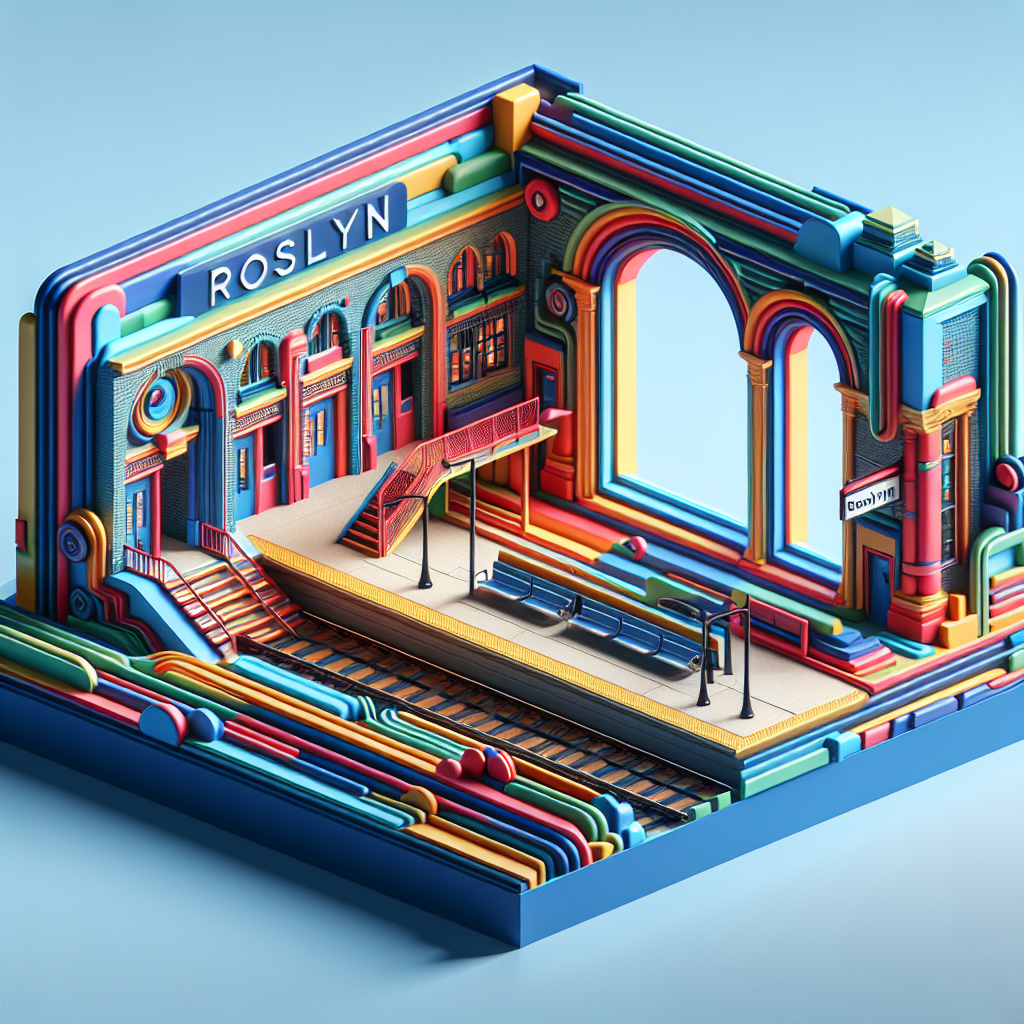

The Heartbeat of Long Island: Roslyn Station
Nestled in the charming village of Roslyn, New York, the Roslyn Station of the Long Island Rail Road (LIRR) is more than just a stop on a map; it's a vital artery connecting the suburban tranquility of Long Island to the bustling energy of New York City. Established in 1864, this station has been a witness to the evolution of transportation and community life for over a century and a half. Located on the Oyster Bay Branch, Roslyn Station serves as a crucial link for commuters, students, and travelers, providing them with access to the broader metropolitan area. Its existence is a testament to the enduring need for efficient public transportation and the role it plays in shaping the daily lives of countless individuals.
Roslyn Station is not just a point of transit; it's a reflection of the community it serves. The station's architecture and design echo the historical charm of Roslyn village, blending seamlessly with the surrounding environment. This aesthetic appeal is not merely for show; it represents a commitment to preserving the cultural heritage of the area while meeting modern transportation needs. For many residents, the station is a daily touchpoint, a place where they begin and end their journeys, making it an integral part of their routine.
The importance of Roslyn Station extends beyond its immediate vicinity. It is part of the larger LIRR network, which is one of the busiest commuter railroads in North America. This network is essential for reducing traffic congestion, lowering carbon emissions, and providing a reliable alternative to driving. For those who live in Roslyn and work in Manhattan, the station is a lifeline, offering a convenient and efficient way to navigate the often chaotic New York City commute.
However, the station's significance is not without its challenges. Like many public transportation systems, the LIRR faces issues such as aging infrastructure, service delays, and budget constraints. These challenges can lead to frustration among commuters who rely on the system for punctuality and reliability. Addressing these issues requires investment and innovation, as well as a commitment from both government and community stakeholders to prioritize public transportation.
Critics of public transportation investment often argue that resources could be better spent on road infrastructure or other projects. They point to the high costs associated with maintaining and upgrading rail systems and question the return on investment. However, proponents of public transportation, including many Roslyn residents, argue that the benefits far outweigh the costs. They highlight the environmental advantages, the reduction in traffic congestion, and the social equity that comes from providing accessible transportation options for all.
For Gen Z, who are increasingly concerned about climate change and sustainability, the role of stations like Roslyn in promoting public transportation is particularly relevant. This generation is more likely to prioritize eco-friendly commuting options and support policies that enhance public transit systems. Roslyn Station, therefore, is not just a local asset but a symbol of a broader movement towards sustainable living and urban planning.
The future of Roslyn Station and the LIRR is intertwined with the future of transportation in America. As cities and suburbs continue to grow, the demand for efficient, reliable, and sustainable public transportation will only increase. Roslyn Station stands as a reminder of the past, a necessity of the present, and a promise for the future. It embodies the challenges and opportunities that come with balancing historical preservation with modern needs, and it highlights the ongoing dialogue between community values and infrastructure development.
In the end, Roslyn Station is more than a stop on a train line; it's a community hub, a historical landmark, and a beacon of progress. It serves as a daily reminder of the importance of connectivity, not just in terms of transportation, but in the way it brings people together, fosters community spirit, and supports a sustainable future.