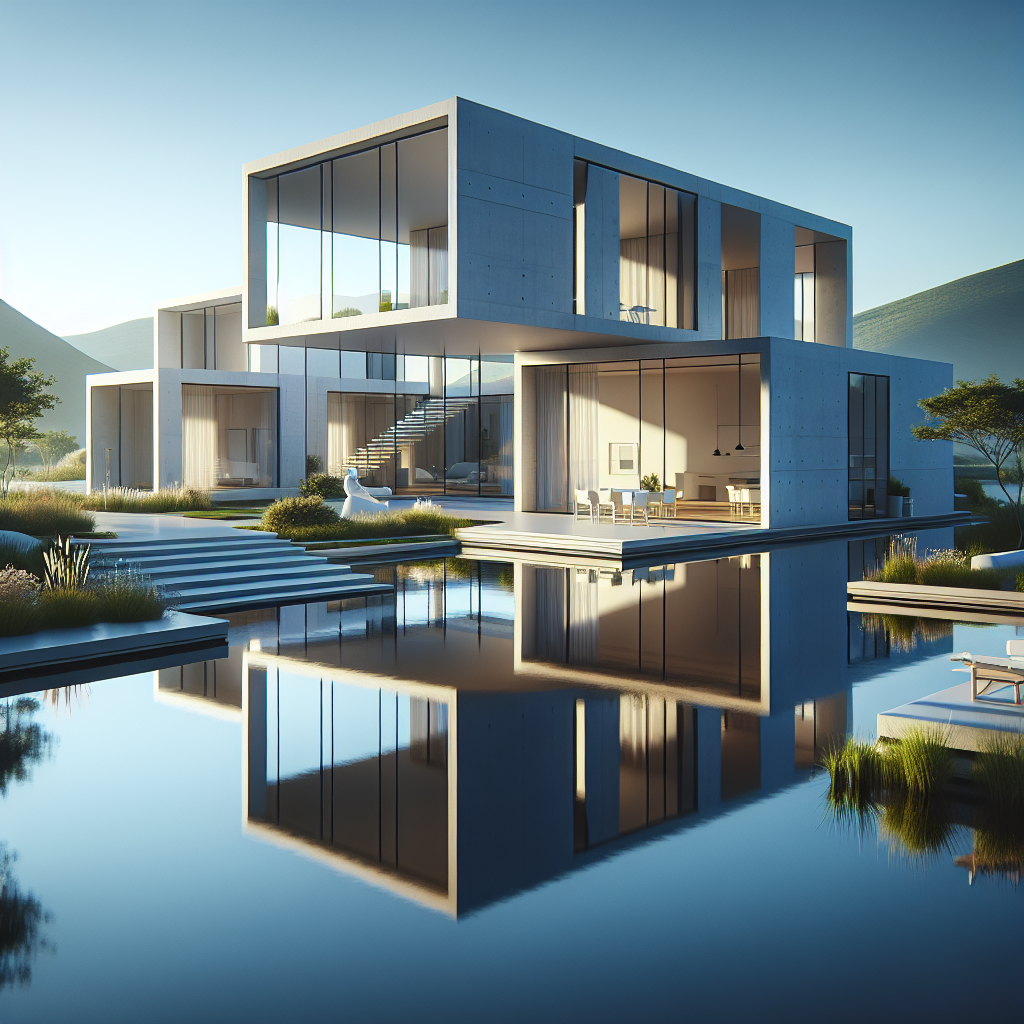

Most architects dream of steel giants reaching for the clouds, but Rick Joy finds his muse nestled within the Arizona desert scrub and the muted colors of nature. As an innovative architect (and musician and carpenter) based in Tucson, Arizona, Rick has been enchanting the world with his unique approach to designing homes that whisper stories of the Southwest. From the mid-90s, he has been translating the serene beauty of nature into sustainable, modern structures that feel as if they were meant to be there for centuries.
Rick Joy burst into the architectural scene at a time when architecture was dominated by sharp angles and shiny materials. His creations, on the other hand, emerged organically, drawing heavily from the natural environment that surrounds them. This was coupled with his philosophy of creating spaces that speak to the human spirit while respecting the land. Having studied at the University of Arizona, Rick stayed close to his roots and has been leaving a legacy of thoughtful, mindful design that continues to redefine architecture.
Another layer of what makes Rick Joy's work stand out is his command over minimalism. His projects have often been described as poetic. Using materials like rammed earth, wood, and steel, Rick constructs buildings that not only serve as homes but also as sanctuaries for reflection and connection to the earth. He believes that spaces should support the lives we want to lead, not dictate them. This philosophy resonates deeply with those of us who value sustainability and a harmonious balance with nature.
It's also important to see how Rick Joy's work serves as a counterpoint to the fast-paced, consumer-centric society so prevalent today, where bigger and glossier often mean better. His approach is more about slowing down and gaining an appreciation for simplicity and authenticity. And while his style is rather minimal, the spaces are anything but barren; they are filled with character and imbued with a sense of tranquility that speaks volumes.
For those who may argue that his architecture is not for everyone or every place, Rick Joy would likely agree. His designs are heavily site-specific, which means they might not translate as effectively in urban jungles or regions that lack Arizona's unique landscapes. Yet, isn't that the point? Acknowledging the specificities of a place can lead to a more profound understanding and appreciation of what makes it special. Further, by embracing local materials and traditional building techniques, Joy invites us all to think creatively about sustainability and how we might incorporate elements of it into our own lives.
Rick Joy's work is often critiqued for its boutique-like exclusivity. Indeed, some of his structures come with substantial price tags, making them accessible primarily to the affluent. It's a valid critique, especially in this era of housing crises and the widening gap between economic classes. However, it's also crucial to recognize the opportunities his work presents for inspiring affordable, sustainable housing solutions. By studying the principles he embraces, such as the use of local materials or solar heat gain, there might be valuable lessons that can help make more sustainable dwellings achievable on a larger, more inclusive scale.
You might ask yourself, what draws people to Rick Joy's architecture? Is it his willingness to buck trends or his ability to conjure a sense of place that feels both eternal and modern? Perhaps it's his respect for the humanity of the people living in these spaces that intrigues us. There is no doubt that in the whirlwind of modern life, there's something undeniably soothing about being able to retreat to a space that embodies peace, respect, and quietude.
While Rick Joy's methods and philosophies might not appeal to everyone—particularly those who thrive surrounded by the vibrancy and chaos of metropolitan areas—you can't deny their impact. Especially with climate change serving as a call to action, his projects remind us of the possibilities of a deeper connection to the land as part of the solutions we seek.
There’s a certain rebelliousness in Rick Joy's work that seems to resonate well with a generation that carves its own path. His alignment with the natural world and his commitment to practicality over brash excess speak volumes, both within and beyond the field of architecture. His story, after all, is one of courage and authenticity in a world often marred by uniformity and conformity. In architecture, as in life, such bravery in staying true to oneself is celebrated for good reason.