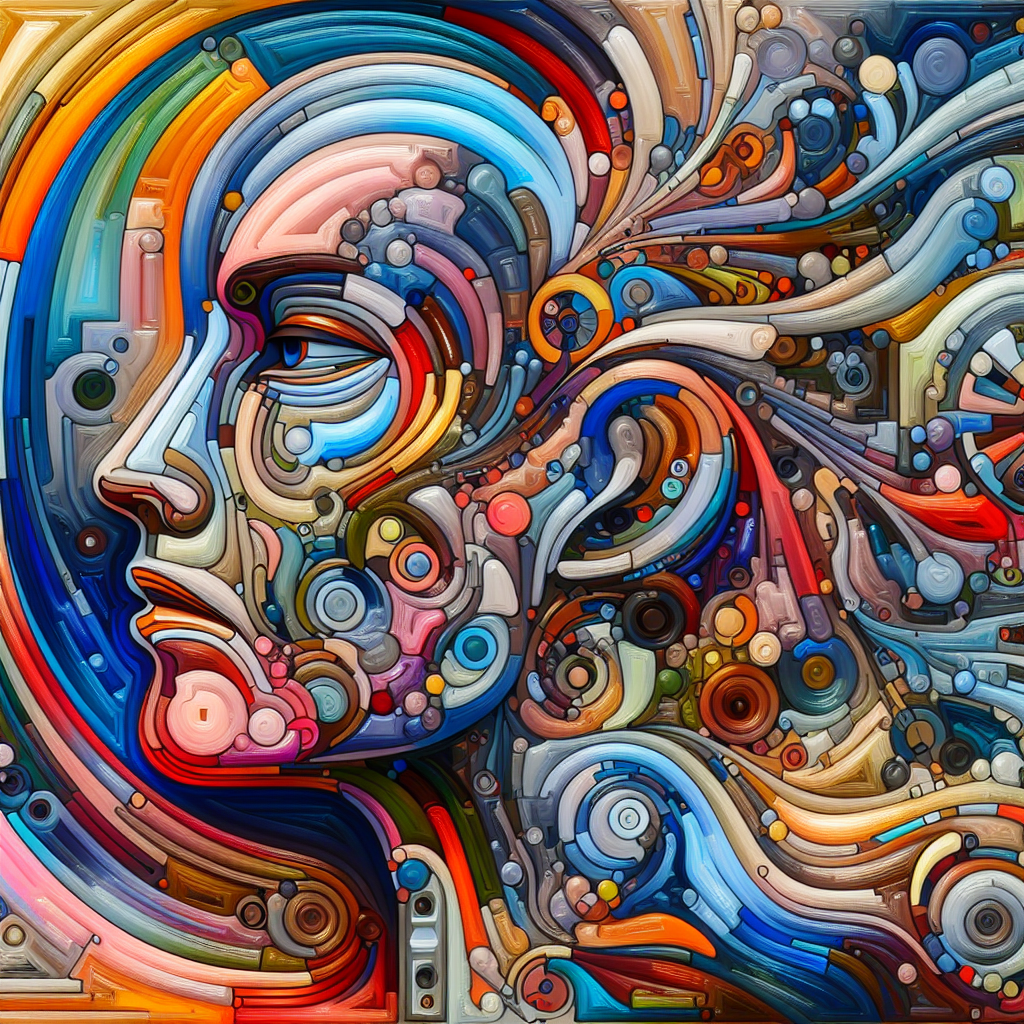

Reuben Kadish: The Artist Who Captured the Human Condition
Reuben Kadish was an American artist whose work spanned the tumultuous periods of the 20th century, capturing the essence of human struggle and resilience. Born in Chicago in 1913, Kadish's artistic journey took him from the bustling streets of New York to the sun-drenched landscapes of Mexico, and eventually to the serene hills of California. His art, deeply influenced by the socio-political upheavals of his time, offers a window into the human condition, reflecting both the despair and hope that defined the era.
Kadish's early years were marked by his collaboration with the renowned Mexican muralist David Alfaro Siqueiros. In 1936, Kadish, along with fellow artist Philip Guston, traveled to Morelia, Mexico, to work on a mural that would become a significant milestone in his career. This experience not only honed his skills but also instilled in him a profound understanding of art as a tool for social commentary. The mural, which depicted the struggles of the working class, was a testament to Kadish's commitment to using art as a means of advocating for social justice.
Throughout his career, Kadish's work was characterized by a deep empathy for the human experience. His sculptures and paintings often depicted figures in states of anguish or contemplation, reflecting the inner turmoil of individuals living through war, economic depression, and social change. This focus on the human condition resonated with many, as it mirrored the collective anxieties and aspirations of society during times of uncertainty.
While Kadish's work was celebrated for its emotional depth and technical prowess, it also faced criticism from those who viewed it as overly pessimistic or politically charged. Some argued that his focus on suffering and struggle overshadowed the potential for art to inspire and uplift. However, Kadish believed that confronting the harsh realities of life was essential to fostering empathy and understanding among people. His art was not just a reflection of the world as it was, but a call to action for a more compassionate and equitable society.
Kadish's legacy is one of resilience and introspection. His work continues to inspire new generations of artists and thinkers who seek to explore the complexities of the human experience. In a world that often feels divided and uncertain, Kadish's art serves as a reminder of the power of empathy and the importance of confronting the challenges we face with courage and creativity.
As we reflect on Kadish's contributions to the art world, it is important to recognize the enduring relevance of his work. In an era where social and political issues remain at the forefront of public discourse, Kadish's art offers valuable insights into the ways in which we can use creativity to address the pressing challenges of our time. By engaging with his work, we are reminded of the potential for art to not only reflect the world around us but to shape it for the better.