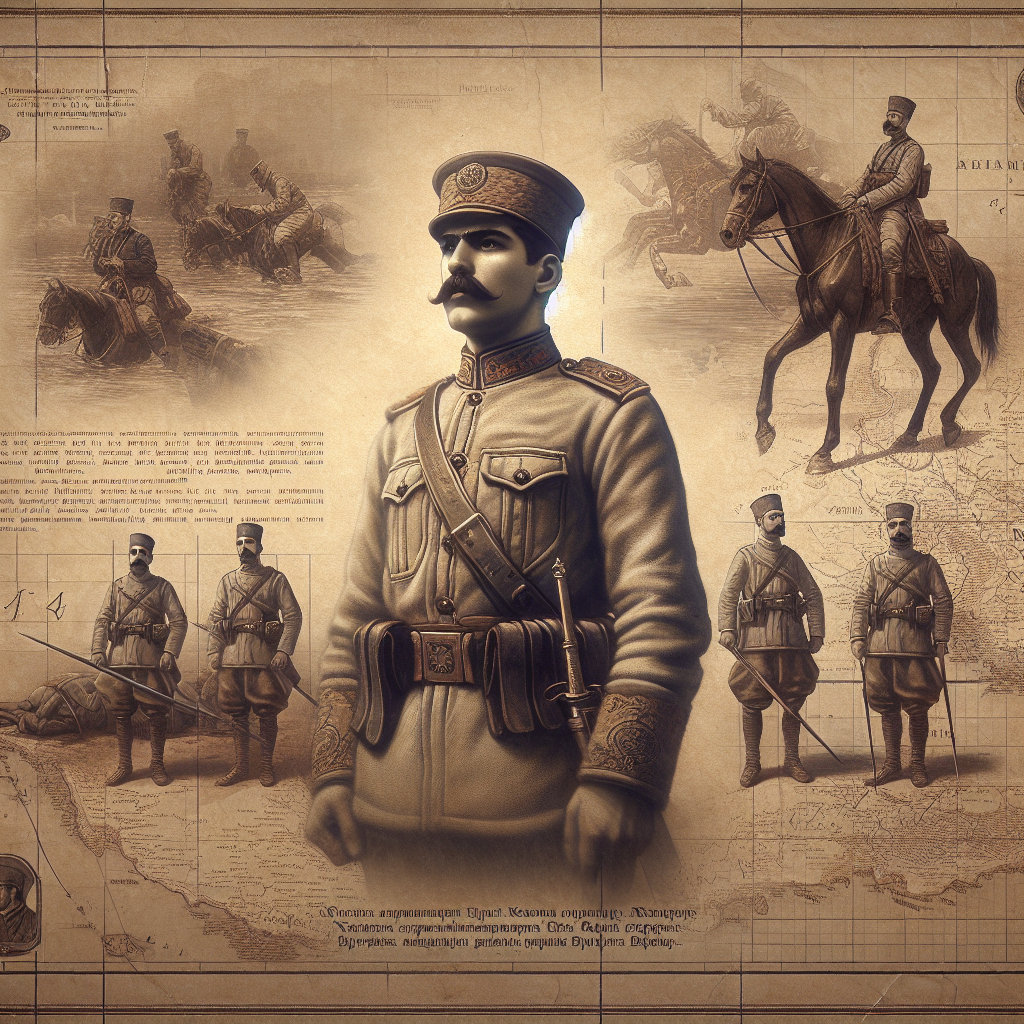

Rauf Orbay navigated the turbulent waters of politics in Turkey during a time of significant change and uncertainty. Born in Istanbul in 1881, Orbay was a central figure in the late Ottoman and early Republican eras, known for his naval career and political influence. He found himself at the crossroads of the fading Ottoman Empire and the burgeoning Turkish Republic, asking critical questions about national identity and governance. As a naval officer, politician, and eventually, Prime Minister, he played a crucial role in shaping modern Turkey, advocating for reforms and modernization.
Orbay's military career began in the Ottoman Navy, where he quickly rose through the ranks due to his strategic acumen. This experience exposed him to the broader geopolitical issues of the time, such as the Balkan Wars and the turmoil of World War I. His time in the navy was marked by this transformative period, and it provided him with a unique perspective on the impact of global conflicts on national policies.
As World War I enveloped the globe, Orbay found himself deeply involved in the Ottoman Empire’s military efforts. Despite the empire's eventual defeat, he saw opportunities for real change. He became part of the Committee of Union and Progress (CUP), advocating for modernization and aligning with Western ideas. His involvement in the Armistice of Mudros, which effectively ended Ottoman participation in the war, highlighted his diplomatic skills and understanding of international relations.
His jump from military to politics was not without its challenges. Taking office as Prime Minister in 1921 during the Turkish War of Independence, Orbay faced a nation divided and impoverished. His tenure was characterized by his efforts to stabilize the country and establish a sense of national identity. This position placed him directly in the path of major political shifts, including the abolition of the Sultanate, signaling the end of the Ottoman Empire and the beginning of a secular national state.
Rauf Orbay was a proponent of Mustafa Kemal Atatürk's vision yet had his own disagreements with him. This friction reflects the ideological battles within the early Republican leaders—struggles between rapid reform and cautious change. Orbay often found himself at odds with Atatürk's approaches, representing a more moderate perspective, which favored gradual reforms over radical shifts.
Although he shared common goals with Atatürk about modernization, Orbay's individualistic streak often led him to question his associate’s methods. This reflected a broader debate on how quickly the new Republic should move away from its Ottoman roots. On the flip side, Orbay's critics viewed his caution as a hindrance to Atatürk's more aggressive reform policies.
After his role as Prime Minister, Orbay continued to influence Turkish policy. Though out of the limelight after the establishment of the Republic, he remained a prominent voice in politics, often advocating for democratic principles and governance. During this period, the political landscape was anything but stable. Orbay was caught in the crossfire between maintaining traditional values and embracing Western-style democracy.
One often overlooked aspect of Orbay's legacy is his approach to international diplomacy. He understood the importance of Turkey's strategic position on the global stage and sought to establish alliances that would secure its borders and economic prosperity. This foresight laid the groundwork for later generations, who continued to navigate these geopolitical arenas.
Interestingly, his later years were marked by exile and a reflective turn towards his past actions and decisions. The political atmosphere in Turkey was rife with polarization, and Orbay found himself increasingly alienated. His move to England symbolized a retreat from active politics, yet it was also during this period that he wrote memoirs, providing invaluable insights into the early Republic’s struggles and inner workings.
Orbay's story resonates with today’s youth, particularly Gen Z, who are witnessing their own political transformations worldwide. His life encourages a reflection on how individuals shape history not through unchecked ambition, but often through measured negotiation and complex decision-making. It also prompts a consideration of the balance between swift action and cautious progress.
Understanding Orbay’s role compels us to appreciate the importance of patience in political reform and the willingness to question even the most charismatic leaders. his story is a testament to the enduring spirit of political engagement amid periods of upheaval and the critical role of diverse perspectives in shaping a nation’s path.