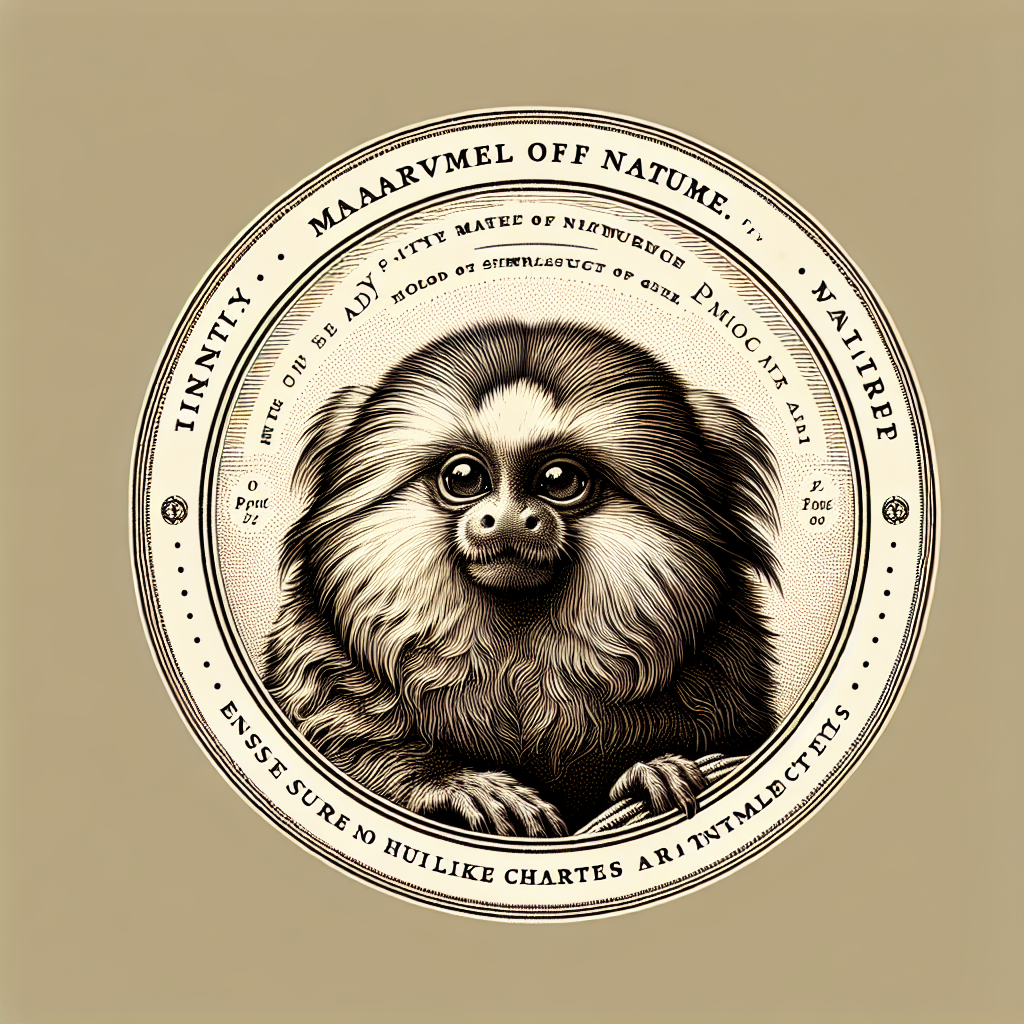

Imagine a creature so small, it could fit comfortably in the palm of your hand, and yet possesses the audacity to leap from tree to tree like it owns the place. Enter the Pygmy Marmoset, a pint-sized primate native to the rainforests of western Amazonia, including countries like Colombia, Brazil, Ecuador, and Peru. These minuscule monkeys, typically weighing around 3.5 to 5 ounces, are the smallest monkeys in the world, yet they captivate everyone with their acrobatic skills and curious nature.
Pygmy marmosets inhabit dense tropical forests, where they can deftly navigate branches with their sharp claws and specialized, flexible ankles. Their habitats consist of bustling social groups that typically include a dominant breeding pair and several offspring. This tight-knit family unit is crucial for their survival as they depend heavily on each other for grooming, protection, and social interaction.
Primarily feeding on tree sap, nectar, insects, and fruits, these miniature marvels use their sharp teeth to gouge holes in tree trunks, stimulating an outflow of nutritious sap. This practice not only fills their tiny bellies but also plays a vital role in their ecosystem, aiding in seed dispersal and pollination. Their diet reflects their crucial role within the forest ecosystem as both nurturers and nurtured.
Despite their mesmerizing antics and critical environmental significance, pygmy marmosets face numerous threats. Deforestation is their arch-nemesis, drastically reducing their habitat and forcing them into tighter and more vulnerable living spaces. Additionally, the illegal pet trade poses a constant threat. People are fascinated by their cuteness and size, but capturing them disrupts their social structures and diminishes their chances of survival in the wild.
There's an argument from some quarters advocating for controlled breeding programs, suggesting that maintaining these animals in captivity might help in their conservation. This perspective emphasizes a balance between human intervention and natural processes to conserve endangered species. However, opponents argue that wild animals belong in the wild, not in zoos. They warn of the potential for neglect, abuse, and the dilution of natural instincts if animals like the pygmy marmoset become over-reliant on human care.
While visiting pygmy marmosets in their natural habitat remains a fascinating anthropological experience, it's equally important to support conservation efforts that respect their environment. Advocates encouraging eco-tourism insist that proceeds from tourism should fund habitat preservation projects, ensuring that these creatures continue to enchant future generations.
For Gen Z, tuned into global issues and ecological concerns, it’s vital to be aware of how our actions impact creatures like the pygmy marmoset. By supporting sustainable practices, using social media platforms to spread awareness, and holding corporations accountable for environmental damage, this generation can make a real difference.
Interest in these tiny primates continues to grow, thanks to documentaries and social media, spotlighting their role as keystone species in their environment despite their diminutive scale. Images of these wide-eyed creatures often go viral, sparking both adoration and curiosity among young people globally. Citizens of our interconnected world are uniquely positioned to advocate for their protection, employing technology and media to lobby governments and organizations to curb deforestation and illegal wildlife trading.
In understanding pygmy marmosets, one might find that the discussion transcends the borders of pristine forests and spills over into broader topics such as climate change, conservation, and ethical treatment of animals. It's a reminder that even the tiniest creatures are a crucial part of the intricate web of life.
If you've ever considered adopting an exotic pet, it's perhaps worth remembering our collective responsibility towards wild animals and their role in maintaining natural balances. By appreciating their existence from afar and advocating for their habitats, we contribute to preserving diversity in an age where it's rapidly dwindling.
While there's an ongoing dance between preserving nature and human advancement, recognizing the intrinsic value of creatures like the pygmy marmoset is paramount. Their survival and well-being reflect broader environmental health, underscoring the interconnectedness of human and animal lives. Our awareness and action are what can make this dance harmonious rather than tragic.