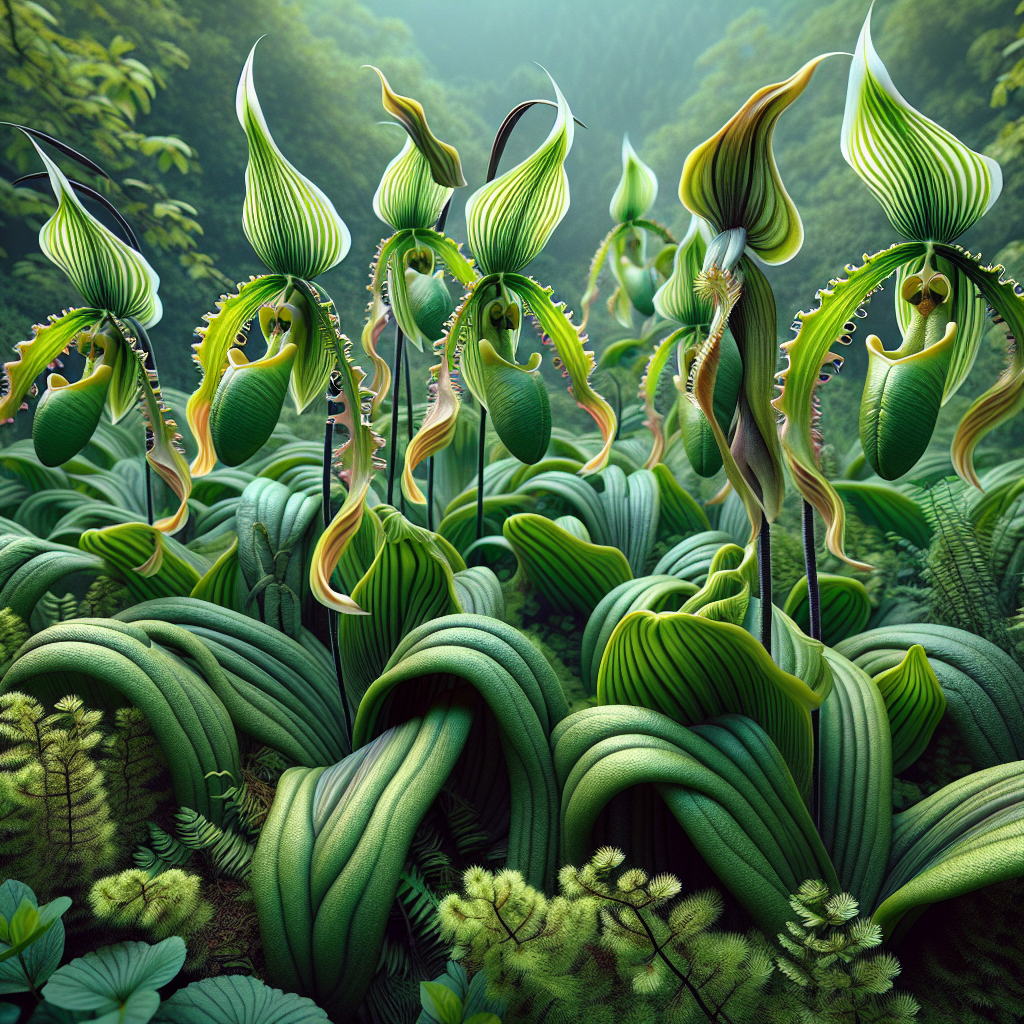

The Enigmatic Pterostylis Falcata: A Dance of Nature
Imagine a plant that looks like it's performing a delicate ballet in the wild. That's the Pterostylis falcata, a fascinating species of orchid that captivates botanists and nature enthusiasts alike. This unique plant, commonly known as the sickle greenhood, is native to the diverse landscapes of Australia. It typically blooms between the months of August and October, gracing the woodlands and forests with its presence. The Pterostylis falcata is particularly intriguing due to its distinctive sickle-shaped flowers, which have evolved to attract specific pollinators, making it a subject of interest for those studying plant-pollinator interactions.
The Pterostylis falcata is not just a pretty face in the plant world; it plays a crucial role in its ecosystem. Its unique flower structure is designed to trap insects temporarily, ensuring that pollination occurs. This intricate dance between plant and pollinator highlights the delicate balance of nature and the importance of biodiversity. However, like many native species, the Pterostylis falcata faces threats from habitat destruction and climate change. Conservation efforts are essential to protect this species and the intricate web of life it supports.
While the Pterostylis falcata is a marvel of nature, it also serves as a reminder of the challenges faced by many native species. Habitat loss due to urbanization and agriculture poses a significant threat to its survival. Additionally, climate change alters the delicate environmental conditions that these orchids rely on. As temperatures rise and weather patterns shift, the Pterostylis falcata may struggle to adapt, leading to a decline in its population.
Conservationists and scientists are working tirelessly to protect the Pterostylis falcata and its habitat. Efforts include habitat restoration, legal protection of critical areas, and public education about the importance of preserving native species. By raising awareness and promoting sustainable practices, we can help ensure that future generations will have the opportunity to witness the beauty of the Pterostylis falcata in the wild.
It's important to consider the opposing viewpoint, which often centers around the need for development and economic growth. Some argue that land use for agriculture and urban expansion is necessary to support growing populations and economies. However, it's crucial to find a balance between development and conservation. Sustainable practices and innovative solutions can help mitigate the impact on native species like the Pterostylis falcata while still allowing for progress.
The Pterostylis falcata is more than just an orchid; it's a symbol of the intricate connections within our ecosystems and the challenges we face in preserving them. By understanding and appreciating the role of this unique plant, we can foster a greater sense of responsibility towards protecting our natural world. As we continue to navigate the complexities of development and conservation, the Pterostylis falcata serves as a reminder of the beauty and fragility of the natural world we are all a part of.