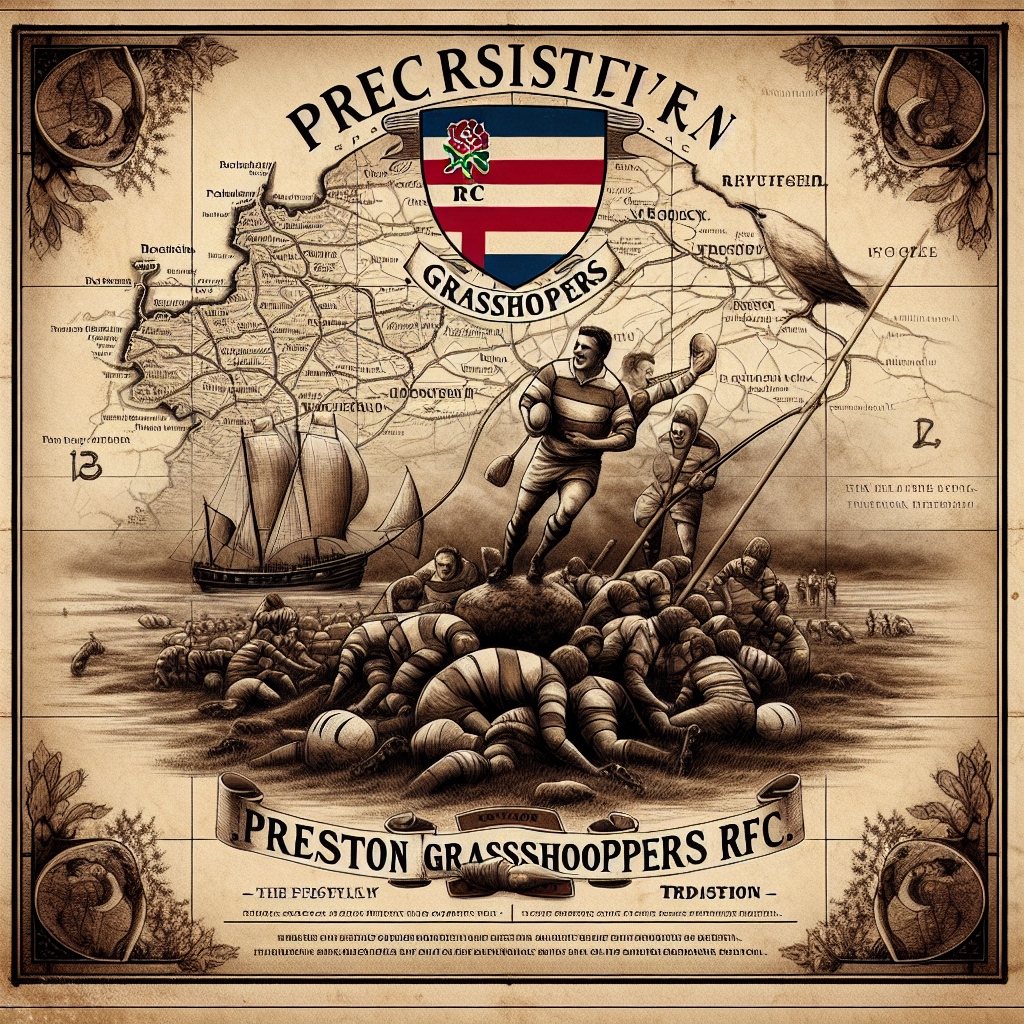

Rugby isn't just a sport; it's a rich tapestry of tradition, strength, and camaraderie, brilliantly embodied by the Preston Grasshoppers Rugby Football Club. Established in 1869 in the charming city of Preston, Lancashire, this club is one of the oldest surviving rugby organizations in the world, a badge of honor that ties together over 150 years of history. The club began at a time when rugby in Northern England was gaining momentum, and its longevity speaks to its resilience and adaptability in the competitive world of sports.
Preston Grasshoppers, often affectionately known as 'Hoppers', have their home at Lightfoot Green Lane, a place that has become more than just a rugby field. It’s a heartland where local culture, sportsmanship, and community spirit meet. The club’s legacy is not merely in the matches won or lost but in the community it gathers, becoming a pillar of regional identity. It’s a place where lifelong friendships are built, and young athletes find mentorship and inspiration.
Throughout the decades, the club has produced an impressive roster of players who have made ripples beyond the local leagues. Some famous alumni include internationals who donned the shirts of England and even the British and Irish Lions. Preston Grasshoppers is respected for its development programs, offering pathways for players from grassroots to elite levels. The team has seen various successes, reflecting not only skill but a deep-seated resilience that speaks to the hard-working ethos of the people involved.
Yet, Grasshoppers isn’t a story of pure triumph. Like any lifelong journey, it has faced challenges. Changing rugby league structures, financial pressures, and the ever-evolving nature of the sport have tested the club. The modern game demands more in terms of facilities, training resources, and player management. Acknowledging this reality allows the club to embrace both its rich history and future potentials.
In an age where professional sports are big business, clubs like Preston Grasshoppers represent something more organic and authentic. They preserve the soul of grassroots sports, a reminder that passion for a game can survive and thrive without the flashing lights and mega-sponsorships. However, to think they remain untouched by commercialism is naïve. Balancing tradition with modern pressures is an ongoing dialogue within the club.
Not everyone agrees with how the sport has changed over the years, and it's understandable. Purists worry that the motivations for playing have shifted from love of the game to financial gains. But it's important to recognize that evolution is not inherently negative. Clubs need resources to sustain and grow, and embracing new ways can strengthen them, ensuring that future generations continue to have access to top-tier rugby experiences without compromising core values.
The Preston Grasshoppers also serve as a hub for social events, a place where community gatherings, fundraisers, and celebrations occur. It shows that their scope reaches far beyond sports. It's a nucleus of local identity where diverse people gather to share common ground. Whether it's cheering for their team or discussing life over a post-match drink, the connections built here resonate well beyond the pitch.
For generation Z, this represents a fascinating crossroad. While digital worlds offer instant entertainment, the club provides real-world experiences, a taste of history, and an assurance that some things—like communal experiences—remain timeless. They can look at the Grasshoppers not just as a sports club, but as a beacon of continuity amidst rapid technological change, showing that the simplest pleasures, like a gritty match on a Saturday afternoon, are invaluable.
The ongoing journey of the Preston Grasshoppers R.F.C. is a testament to the enduring spirit of rugby. It’s an invitation to reflect on where they began, what they’ve achieved, and what they may yet become. Their tale is one of those rare stories that binds people together, bringing a community closer in support, passion, and shared pride.