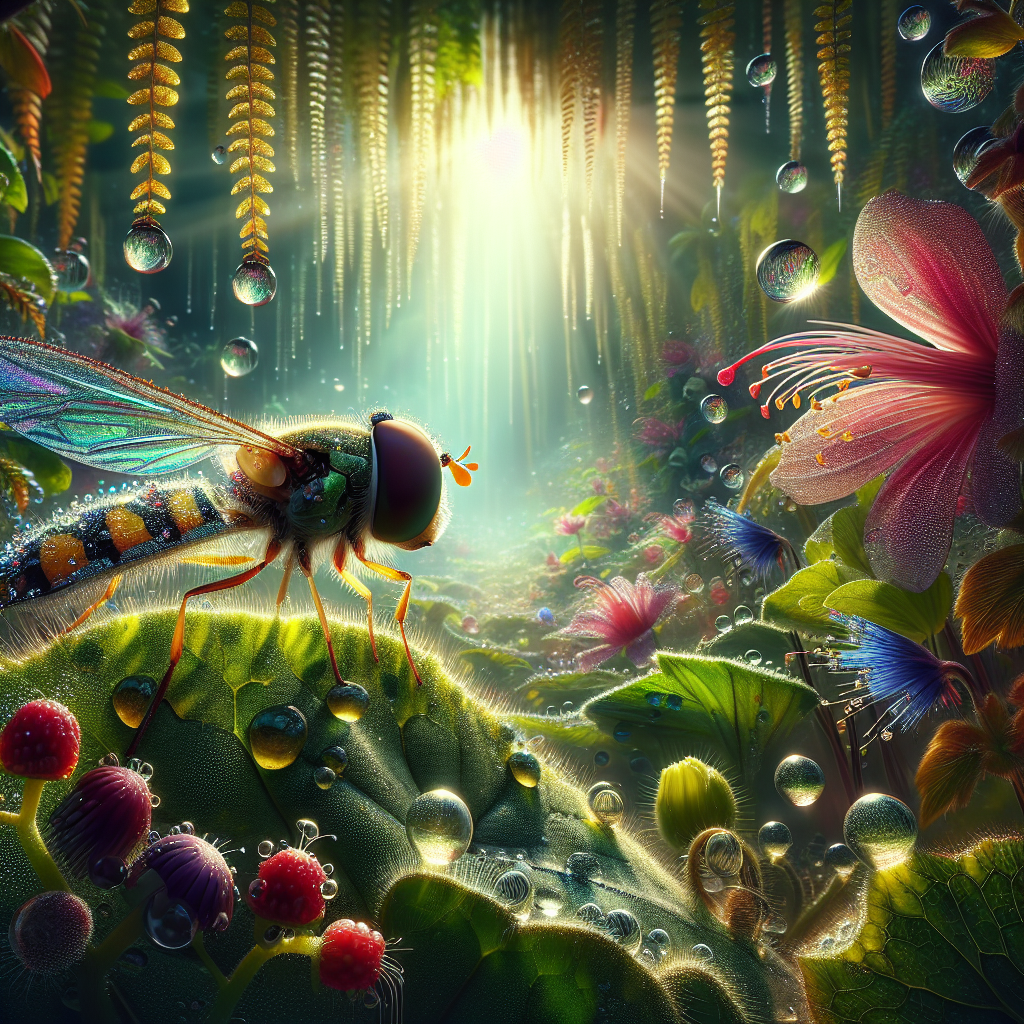

The Curious Case of Platycheirus manicatus: A Hoverfly's Role in Our Ecosystem
Imagine a tiny creature, often overlooked, yet playing a crucial role in our ecosystem. Meet Platycheirus manicatus, a species of hoverfly that might not be on your radar but deserves a spot in the limelight. This fascinating insect, found across Europe and parts of North America, is a key player in pollination and pest control. Hoverflies like Platycheirus manicatus are most active during the warmer months, typically from spring to early autumn, when flowers are in full bloom. Their presence is vital for maintaining the balance in our gardens and natural landscapes.
Hoverflies are often mistaken for bees or wasps due to their similar appearance, but they are harmless and do not sting. Platycheirus manicatus, in particular, is known for its distinctive elongated body and unique wing patterns. These features not only make them interesting to observe but also help them in their mimicry, a survival tactic to ward off predators. Their ability to hover in place, much like a tiny helicopter, allows them to efficiently collect nectar and pollen from flowers. This process is essential for the reproduction of many plant species, making hoverflies indispensable pollinators.
The role of Platycheirus manicatus extends beyond pollination. Their larvae are voracious predators of aphids, which are common pests in gardens and agricultural fields. By controlling aphid populations, these hoverflies help reduce the need for chemical pesticides, promoting a more sustainable approach to agriculture. This natural pest control is a boon for organic farming and for anyone interested in maintaining a healthy garden ecosystem. The presence of hoverflies can be an indicator of a balanced environment, as they thrive in areas with diverse plant life and minimal pollution.
Despite their benefits, hoverflies like Platycheirus manicatus face challenges due to habitat loss and environmental changes. Urbanization and intensive farming practices have led to a decline in wildflower meadows, which are crucial for their survival. Pesticides and pollution further threaten their populations, highlighting the need for conservation efforts. Protecting these insects involves creating habitats that support their life cycle, such as planting a variety of native flowers and reducing chemical use in gardens and farms.
Some people might argue that hoverflies are just another insect and not worth the attention. However, understanding their ecological importance can shift this perspective. By appreciating the role of Platycheirus manicatus, we can foster a greater respect for biodiversity and the interconnectedness of life. Encouraging the presence of hoverflies in our surroundings can lead to healthier ecosystems and more resilient agricultural practices.
For those interested in supporting hoverflies, there are simple steps to take. Planting a range of flowering plants that bloom at different times of the year can provide a continuous food source. Avoiding pesticides and opting for natural pest control methods can create a safer environment for these beneficial insects. Educating others about the importance of hoverflies can also help raise awareness and promote conservation efforts.
Platycheirus manicatus may be small, but its impact is significant. By recognizing and supporting these hoverflies, we contribute to a healthier planet. Their presence is a reminder of the intricate web of life that sustains us all, and the importance of every creature, no matter how small, in maintaining the balance of our ecosystems.