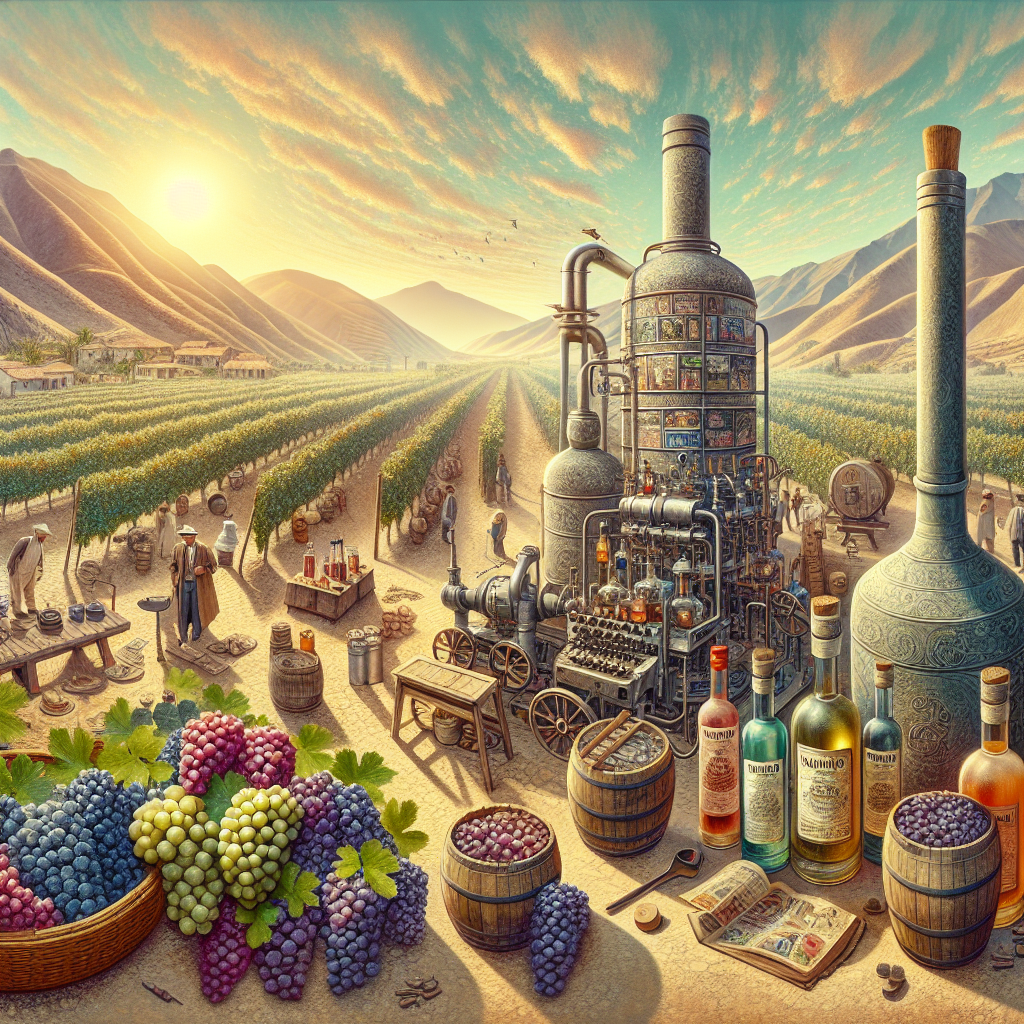

Imagine dancing to a lively beat, your senses tingling from the taste of something uniquely Latin and refreshingly soul-stirring. That’s what a sip of pisco feels like, and it has been that way since the 16th century. Pisco is a distilled grape spirit, a dance-like concoction that comes from the sun-soaked vineyards of Peru and Chile. Both countries fiercely claim its origin, making this drink's history as rich and interwoven as their cultural heritage. But pisco is not just about a tug-of-war across borders; it's a symbol of tradition and pride that deserves its place in the pantheon of great spirits.
Those who haven’t tried pisco might wonder what makes it so special. Is it the meticulous process of choosing the right grapes, the alchemy of distillation, or the passionate zeal of those who produce it? Pisco's magic starts with the Muscat grapes, its soul ingredient. These grapes are carefully harvested and transformed using age-old techniques that have been passed down through generations. It's this craftsmanship that brings forth a spirit unlike any other.
Primarily, the regions where pisco is produced give it a distinctive character. The lush valleys of Ica in Peru and the Elqui Valley in Chile seem almost etching every sunray into the grape skin. Chile and Peru have their own distinct ways of crafting pisco, leading to subtle yet noticeable differences in flavor and character. Whether you prefer Chile’s diverse range or Peru’s higher ABV (Alcohol by Volume), pisco promises diversity in every sip.
It's interesting to reflect on why both nations are so passionate about pisco. This spirit is not just a drink; it's tied to their very identities. The debate, which is friendlier than hostile (at least most of the time), serves as a fun topic over drinks, drawing in those who appreciate history and cultural dialogues. Historically, the Spaniards first distilled pisco in the 16th century, naming it after the Peruvian port city of Pisco. This port city was not only a shipping hub but also a refining pot of various cultural influences, further spicing up pisco’s story.
However, not everyone is a fan of pisco. Some might find its intensity a bit overwhelming, while others who are loyal to other national spirits may brush it off as just another drink. And then there's the geopolitical argument that makes some weary of its drinkers. Nevertheless, these differing opinions add a layer of complexity to the narrative, encouraging a broader dialogue and deeper understanding regardless of which side one leans towards.
Despite its ancient roots, pisco has found a certain level of modern popularity. It’s embraced by many bars and mixologists worldwide who seek out the uniqueness of pisco to craft cocktails that stand out. The famed pisco sour is a testimony to this. With its vibrant mix of lime, syrup, and egg white froth, it’s a drink that evokes curiosity and admiration in its consumers.
Gen Z's likely nodding in approval right now, recognizing pisco as an emblem of care and artisanship. As much as this generation values individuality and creativity, pisco answers that call with its diverse flavors and storied past. Pisco's journey mirrors that of many Gen Z'ers who venture into the world seeking originality yet valuing authenticity.
Whether one is sipping it straight or swirling it into a cocktail, pisco is a reminder of the resilient spirits behind its creation. It’s about paying respect to its cultural significance while enjoying something that's undeniably pleasurable. Although regulations over its production can be stringent, they have a purpose. They ensure quality and continuity, retaining the drink’s prestige even as it reaches international shores.
As the world keeps evolving with new flavors and trends, pisco remains a stalwart of in-depth tradition. Yet, it's not bound by its past. Each new bottled batch offers a chance for discovery and connection—with history and with others over a shared sip. By continuing to honor and innovate with this spirit, pisco might just become the bridge that connects past craftsmanship with future tastes.