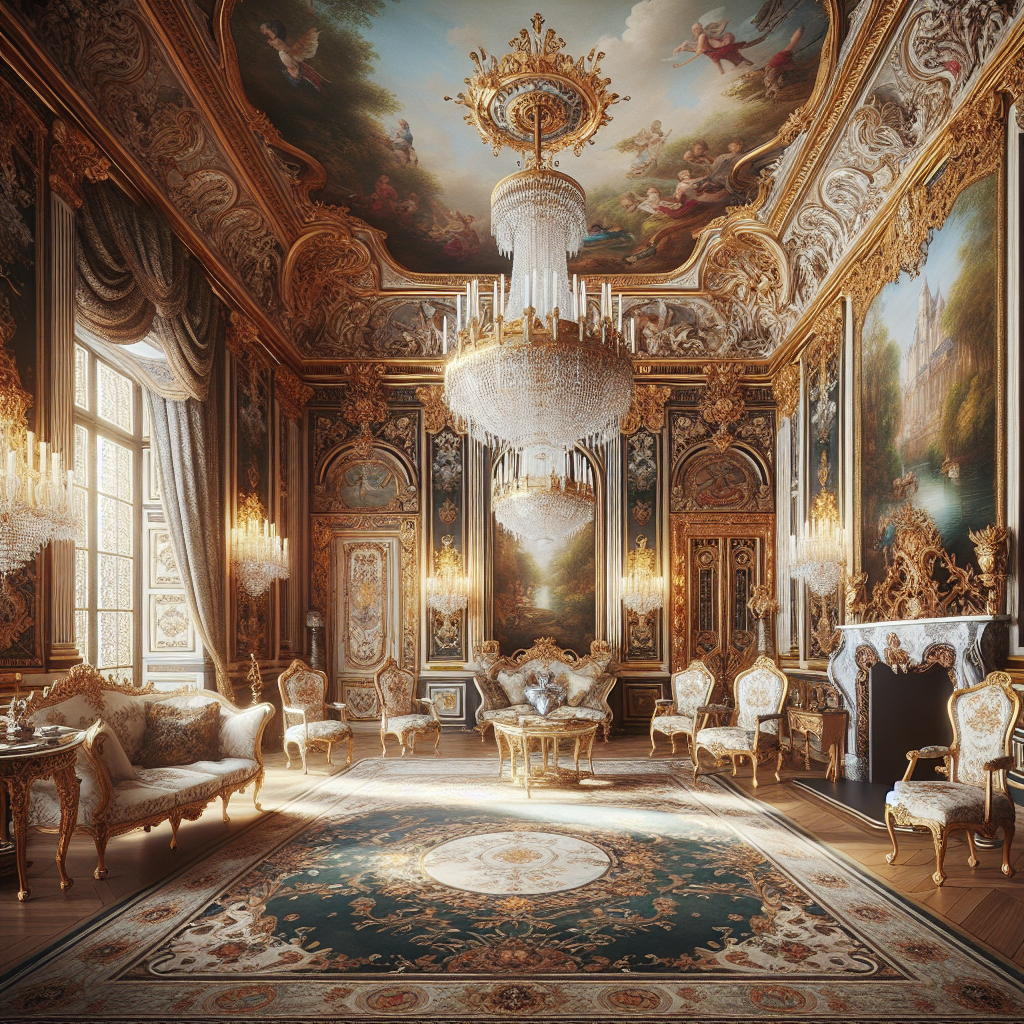

Imagine having a secret hangout in one of the most opulent palaces ever made. The Petit Appartement du Roi, nestled within the iconic Palace of Versailles, was exactly that for the French kings. This hidden gem, reserved predominantly for personal use, was crafted during the reign of Louis XIV to serve as a private refuge from the relentless grandeur of court life. Located on the north side of the palace, this suite of rooms offered a cozy retreat where the monarch could unwind, entertain select guests, and conduct unofficial business affairs. It's intriguing to consider how in the midst of political tumult and expansive royal power, the king valued a retreat, showing the human need for personal space and intimacy.
The Palace of Versailles itself stands as a symbol of absolute monarchy in France, a place where ornate decoration and grandeur spoke louder than words. But step away from the grandiose social gatherings and ceremonious displays, and you find the modest and personal side of monarchy in the Petit Appartement. Here, the walls didn't just adorn art, they entailed whispers of relaxation and strategies that shaped the nation. The apartment’s intimate details and humble decorative elements tell stories quite ordinary compared to the vast halls outside, yet profoundly impactful since they reveal a kind of vulnerability of those who ruled.
Officially, the apartment was used from 1683, marking Louis XIV’s shift toward a more personal lifestyle within a very public arena. As time flowed, Kings Louis XV and XVI also used this retreat, adapting it to suit their varying needs and tastes. Each room is more than just a place; it is a narrative of different Kings—how they lived, governed, and occasionally stumbled. Louis XV, for instance, wouldn't just rule from these chambers. He would indulge in scientific pursuits and host intimate dinners far from the prying eyes of his court.
The Petit Appartement reflects shifting power dynamics and personal indulgences. Louis XVI brought innovations, notably creating more room for privacy. He inserted secret passageways and concealed doors, actions that some might attribute to paranoia but which also mirror the evolving nature of royal discretion. It's intriguing to think about how these spaces allowed freedom to explore thoughts and comforts often shackled in formality elsewhere. While the Petit Appartement may seem like an abode of luxury, it interestingly possesses a modest style, steering away from the exuberance elsewhere in the palace, offering instead a comforting simplicity.
Throughout time, the value of this personal space speaks to the soul of the leaders behind closed doors. It’s a part of history that echoes present-day nuances where public figures maintain private sanctuaries amidst today's social media glare. Examining the Petit Appartement interlaces the familiar struggles between personal privacy and public persona, where expectations often overshadow true intentions and desires.
One cannot overlook the architecture—Charles Le Brun played a significant role in its design, incorporating elements that most resonated with the human touch rather than political statements. Unlike the vast halls of mirrors or the expansive galleries, these rooms were carefully crafted with low ceilings and warm interiors, embodying a tasteful intimacy that whispers simplicity.
Though the French Revolution marked a significant turning point, resulting in the fall of the monarchy and Versailles' transformation, interest in the Petit Appartement continues. Today, as we reflect on this space, it runs parallel to contemporary discussions surrounding privacy and public life. Even as Gen Z navigates these waters digitally, finding balance is as crucial now as it was then.
In considering both perspectives, it’s clear that these retreats were more than royal escapades. They became a testament to the human need within a structured society to seek comfort and individuality. Political liberalism often encourages discourse around personal autonomy, a tension that even past monarchs grappled with, encapsulated within the walls of their private world.
The Petit Appartement du Roi challenges us to ponder broader questions about power, privacy, and personal space. In a residence renowned for its majestic appeal, it's refreshing to recount a tale where raw, human moments humbly persisted in this small enclave of understated charm.