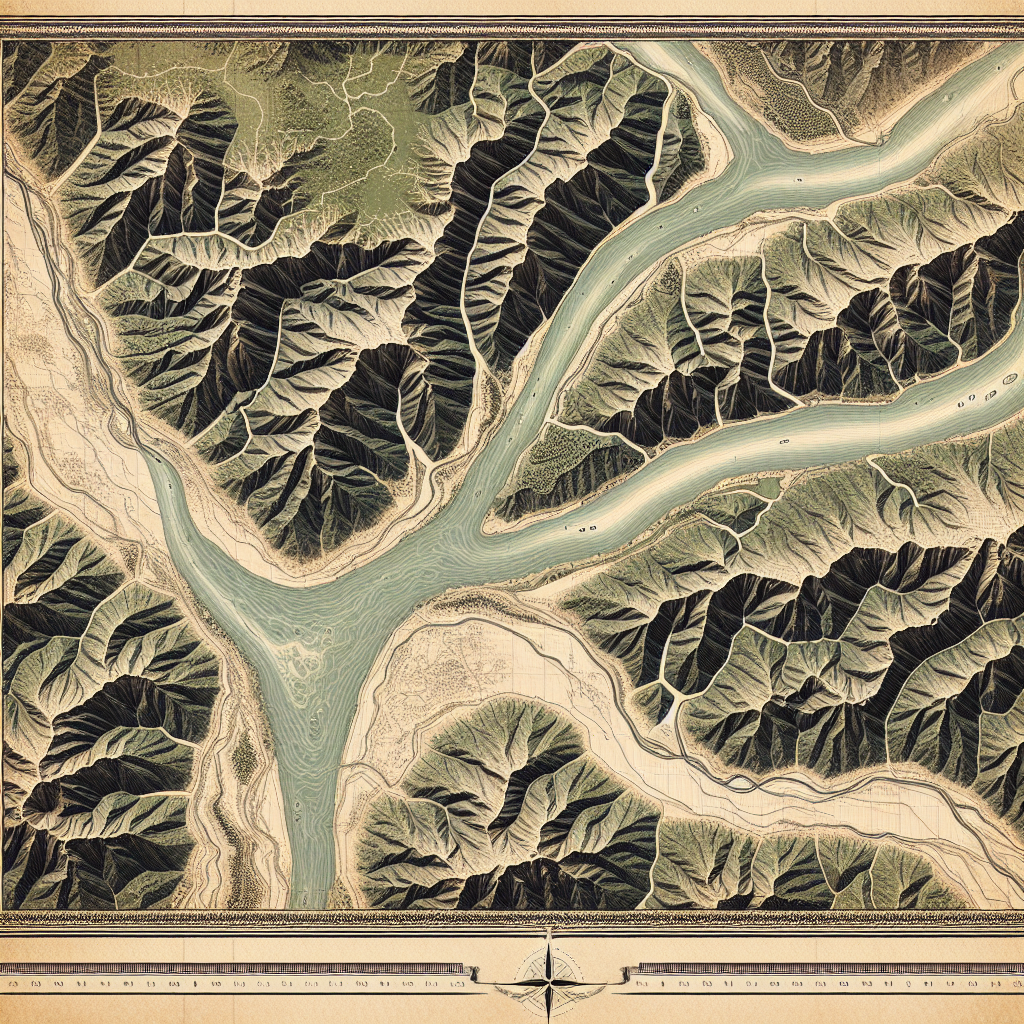

Imagine a river that's not just a body of water but a dynamic tapestry woven through time, landscapes, and people. The Oroua River fits this description perfectly. It is located in the lower North Island of New Zealand, stretching approximately 131 kilometers from the Ruahine Range to its confluence with the Manawatu River. Its journey through diverse terrains and historical layers captures both the natural beauty and political nuances of environmental management.
The history of the Oroua River is rich and multifaceted. It has served the indigenous Māori communities for centuries, providing food, transport, and spiritual connections. As European settlers began to occupy New Zealand in the 19th century, the river's use expanded into agricultural and domestic purposes. This shift wasn't without conflict, as the colonial approach often clashed with indigenous ways of life. The river thus stands as a testament to New Zealand's complex socio-political history.
Environmental concerns have increasingly centered on the Oroua River. The industrial and agricultural growth it once fueled came at a cost: pollution and habitat disruption. Today, discussions often pivot around how to balance development with conservation, a familiar debate mirroring global environmental challenges. There's a growing recognition that respecting the river isn't just about maintaining biodiversity. It also involves acknowledging the cultural ties that bind people to their land and waterways.
Efforts to rejuvenate the Oroua River reflect broader environmental stewardship movements. Community groups, alongside local governments, have embarked on projects aimed at cleaning the river and restoring its ecosystems. The inclusion of Māori knowledge and perspectives has enriched these initiatives. This highlights a progressive trend that values traditional ecological wisdom alongside scientific approaches. Embracing diversity of thought has empowered communities to make more informed and sustainable decisions.
While many see these restorative actions as imperative, there are opposing viewpoints. Some argue that too much emphasis on conservation may hurt economic interests. Farmers concerned about the impact of environmental regulations on their livelihoods highlight the need for sensible compromises that don’t stifle productivity. It’s crucial to address these fears, ensuring that policies recognize both environmental goals and economic realities. The river’s story continues to evolve, echoing the ongoing dialogue about sustainable living.
For the young generation interested in environmental justice and sustainability, the Oroua River offers a living classroom. It’s an example of how natural resources can be thoughtfully managed when policy and passion align. With the growing urgency of the climate crisis, Gen Z stands at the forefront of demanding action. Their involvement is vital to creating sustainable solutions that neither ignore economic concerns nor sideline cultural identities.
Technology also plays a role in the river’s narrative. Modern tools aid in monitoring water quality and tracking biodiversity, making conservation efforts more data-driven and transparent. Social media and digital platforms amplify local campaigns, connecting remote communities with global audiences. These technologies foster advocacy and awareness, helping young activists push for the changes they want to see in their communities and the world.
The Oroua River's story is interwoven with themes of unity and respect, not just for the environment but also for cultural heritage. It's an ongoing journey, one where partnership becomes pivotal. Recognizing the river’s role in shaping societal dynamics fosters a deeper appreciation for both its natural charm and its importance as a historical and cultural artery.
In reflecting on the Oroua River, we observe how nature and humanity are intertwined. The river acts as a mirror, reflecting both our accomplishments and our challenges. Understanding it requires looking beyond the surface to see how interconnected our ecosystems and societies truly are. It's about finding harmony in diversity and resilience in change. It reminds us that action is guided not just by politics or economics but by an enduring commitment to balance and respect.