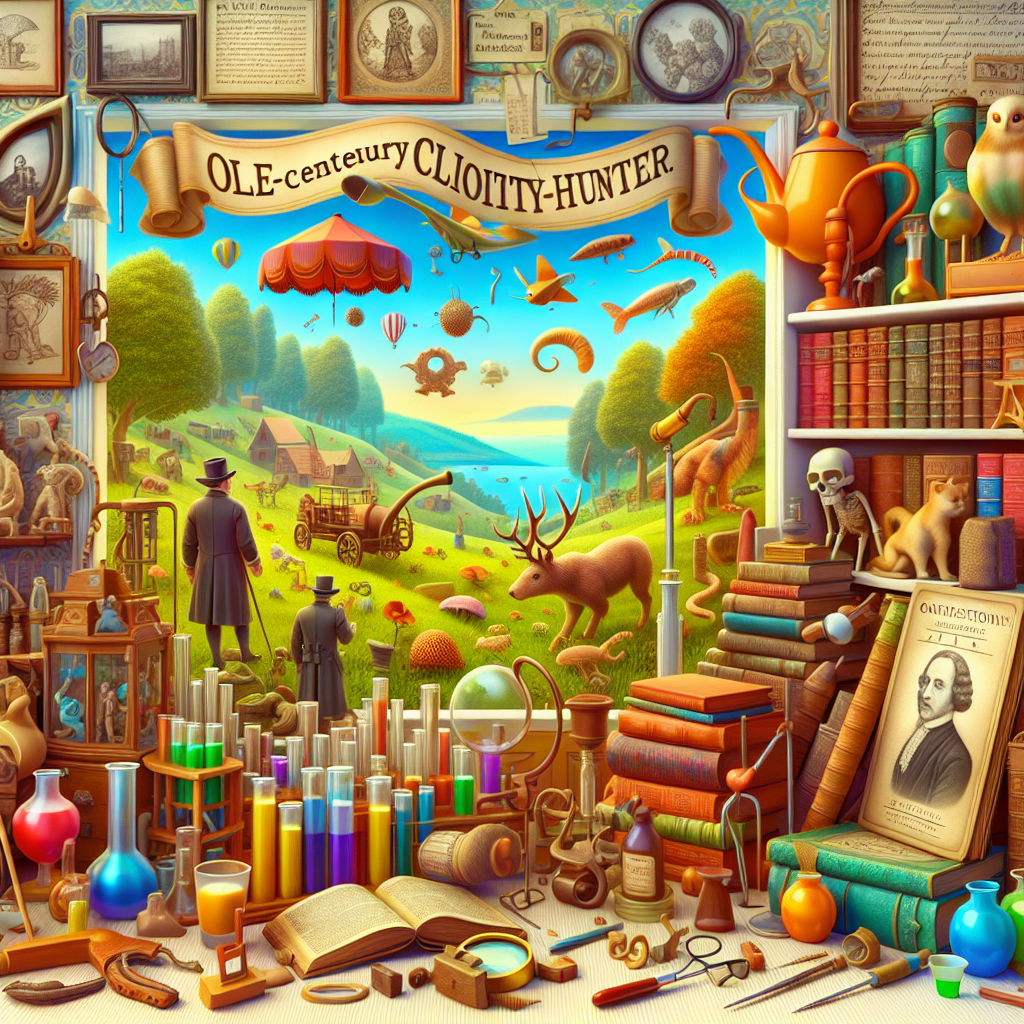

Ole Worm: The Curious Collector of Curiosities
Imagine a man so fascinated by the world around him that he dedicated his life to collecting its oddities. Ole Worm, a Danish physician and antiquarian, was that man. Born in 1588 in Aarhus, Denmark, Worm became a prominent figure in the 17th century for his extensive collection of curiosities, which he housed in his "Wunderkammer" or cabinet of wonders. His collection included everything from ancient artifacts to natural specimens, reflecting the era's burgeoning interest in science and exploration. Worm's work was not just about amassing objects; it was about understanding the world and sharing that knowledge with others.
Worm's cabinet of curiosities was a precursor to modern museums, a place where people could come to see and learn about the wonders of the world. He was a pioneer in cataloging and displaying his collection, making it accessible to scholars and the public alike. His work laid the groundwork for future scientific inquiry and museum curation. Worm's collection was diverse, including items like fossils, ethnographic artifacts, and even mythical creatures, which he often debunked through scientific investigation. His approach was methodical and skeptical, a hallmark of the scientific revolution that was sweeping through Europe at the time.
Despite his scientific rigor, Worm was also a product of his time, and his collection reflected the era's fascination with the exotic and the unknown. He was known for his interest in runes and Norse mythology, which he studied extensively. This interest was not just academic; it was also a way for Worm to connect with his cultural heritage and preserve it for future generations. His work in this area was groundbreaking, and he is credited with helping to revive interest in Norse culture and history.
Worm's legacy is a testament to the power of curiosity and the importance of preserving knowledge. His collection was eventually dispersed, but his influence can still be seen in the way museums and scholars approach the study of history and science today. He was a man ahead of his time, using the tools of science to explore the mysteries of the world and share them with others. His work reminds us of the importance of curiosity and the value of preserving our cultural heritage.
While some might argue that Worm's collection was simply a product of colonialism and exploitation, it's important to recognize the context in which he was working. The 17th century was a time of exploration and discovery, and Worm's collection was a reflection of that spirit. He was not just a collector; he was a scholar and a teacher, using his collection to educate and inspire others. His work was a bridge between the past and the future, a way to connect with the world and understand it in new ways.
Ole Worm's life and work offer a fascinating glimpse into a time when the world was still full of mysteries waiting to be uncovered. His legacy is a reminder of the power of curiosity and the importance of preserving knowledge for future generations. In a world that often seems to value speed and efficiency over depth and understanding, Worm's work is a testament to the enduring value of curiosity and the pursuit of knowledge.