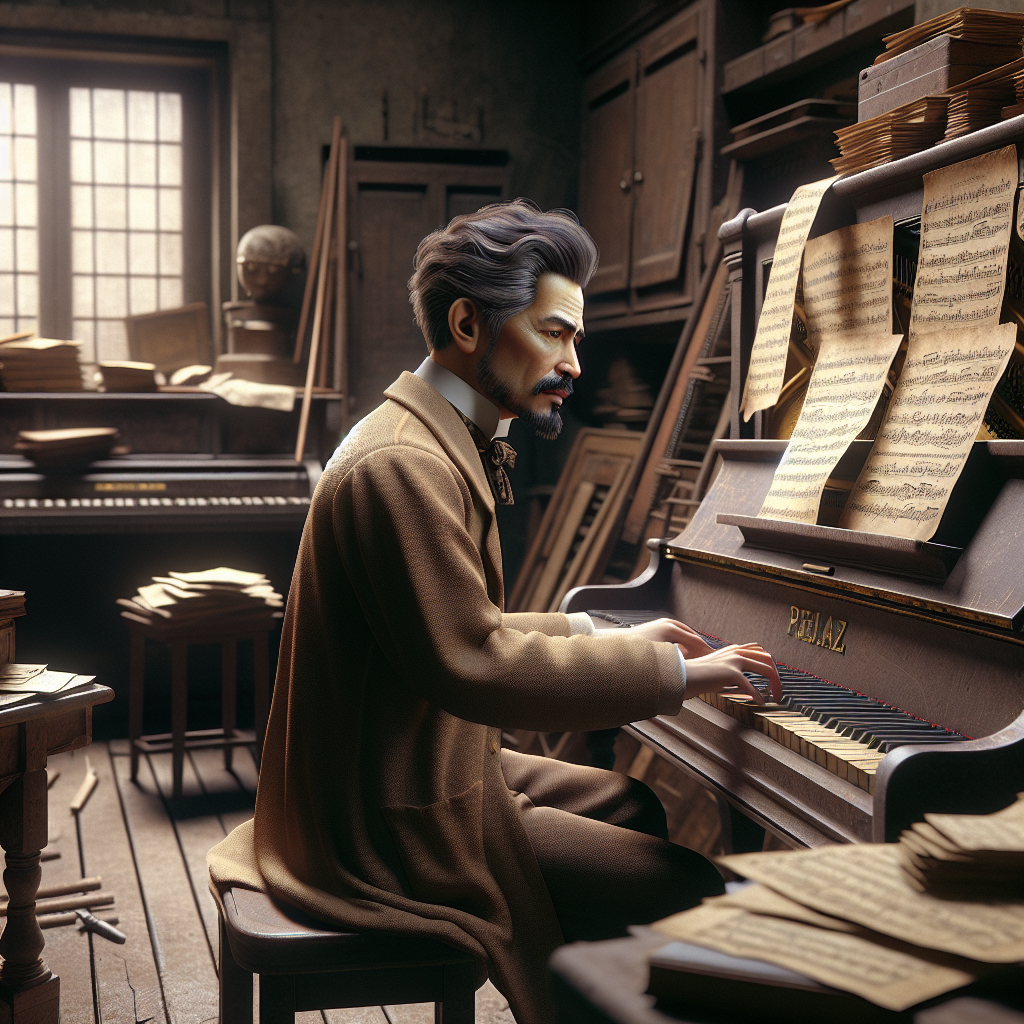

Born in 1893, Nicanor Abelardo was like a rockstar of the early 20th century, but with a piano instead of an electric guitar. Hailing from San Miguel de Mayumo, Bulacan in the Philippines, Abelardo made waves, not just in his homeland but eventually across the globe, with his extraordinary contributions to music. Known for his bold and emotionally charged compositions, he had the rare ability to reflect the joys and sorrows of life through scores. His works became pivotal in the development of the Kundiman and paved the way for a new generation of Filipino musicians. His musical journey began in the family, where his father played the bandurria, instilling in him a profound love for music.
At the tender age of 8, Abelardo was already composing his first pieces. Jumping from childhood star to a mature composer, his journey was no cakewalk. When he moved to Manila for further education, he was exposed to various musical influences, which helped shape his unique sound. With the Philippines under American rule during his lifetime, Abelardo's compositions became a subtle rebellion against colonial scorn. His music was a cultural statement, and while many in power wanted to suppress this cultural show of strength, it resonated deeply with Filipinos.
As a liberal writer, it’s important to highlight not just his artistic achievements but his role in socio-political contexts of the time. Often, art is seen as a reflection of the society in which it exists. Abelardo’s music was unifying, providing hope amidst periods of difficulty. While some traditionalists might argue that art should be apolitical, Abelardo's work suggests otherwise. His Kundiman style, which places emphasis on national identity, was more than just beautifully crafted notes—it was a testament to resilience and courage.
Throughout his career, Abelardo faced many challenges, from financial struggles to the ever-present threat of a colonial government intent on stifling local creativity. Yet, he persevered, and his legacy goes beyond just his compositions—it’s about his relentless pursuit of passion under oppressive circumstances. He joined the faculty of the University of the Philippines Conservatory of Music, where he influenced many young composers who followed in his footsteps. Unfortunately, like many great artists, Abelardo’s life was cut short when he died at only 41 in 1934. However, his influence remained immortal.
In the modern era, his works can be found in concert halls worldwide. Gen Z artists, often pushing for authenticity and cultural roots in their music, can take notes from Abelardo’s work. His life’s story reminds us that art is not just about the artist—it’s about the impact one can have on the world. There’s no denying that Abelardo’s genius left an indelible mark on music history.
Though it's essential to celebrate his greatness, it's also crucial to consider the challenges he faced. The tension between individual expression and societal conformity is as relevant today as it was during Abelardo’s time. This balance of creating art while challenging the status quo is a battle many young creators still face. Bridging tradition with innovation is a consistent theme, a sound modern Gen Z innovators will find remarkably relatable when reflecting on Abelardo's work.
Thinking about Abelardo, perhaps we realize how vital it is to appreciate those who seek change through their craft. The hard truth is that even when you create something beautiful, it is often a political act. Abelardo embraced that reality and used it to create music that would resonate beyond personal and historical boundaries.
Recognizing figures like Abelardo helps us understand that the pursuit of art is forever intertwined with human experience and expression. These narratives of the past serve as encouragement and inspiration for today’s generation of artists, musicians, and even those who enjoy casual listening. Nicanor Abelardo’s compositions remain a testament to what happens when talent meets determination, reaching across time to inspire resilience and creativity among us all.