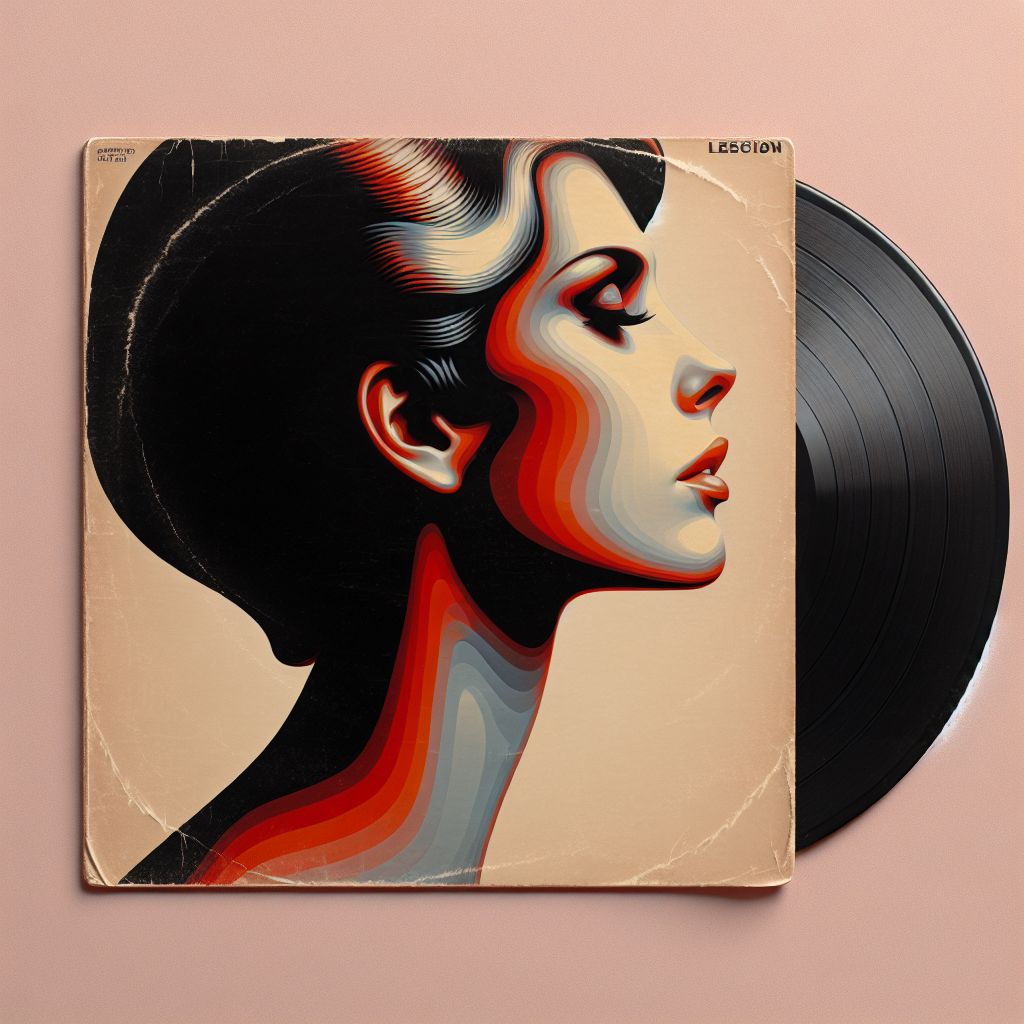

When you think about boy bands, you might imagine a world where teenage screaming was an art form, and no group epitomized this better than New Kids on the Block. Their self-titled debut album, released on April 1, 1986, marked the beginning of an era that combined catchy pop hooks with a sense of youthful rebellion and heart-throbbing harmonies. Hailing from Boston, Massachusetts, this quintet—consisting of Jordan Knight, Jonathan Knight, Joey McIntyre, Donnie Wahlberg, and Danny Wood—was assembled by Maurice Starr, the music producer responsible for making New Edition a household name. This album became a stepping stone for the band, setting the stage for their explosive popularity in the late '80s and early '90s.
In the mid-80s, the music scene was shifting. Synthesizers and elaborate music videos were all the rage, yet there was a demand for something more intimate, relatable. New Kids on the Block filled that void by connecting with the younger generation, offering an emotional resonance coupled with vibrant energy. Critics, however, were initially skeptical. They viewed the group as contrived and overly manufactured—a legitimate concern for many music fans who valued authenticity over polished production.
Despite the criticisms, there's no denying the album's catchy tunes. Songs like "Stop It Girl" and "Didn't I (Blow Your Mind)" highlighted the boys' vocal skills and charisma. They offered a mosaic of sounds, blending pop with R&B influences, which sometimes verged on the edge of being cliché yet were undeniably entertaining. The album was not an immediate commercial success, reflecting the critical skepticism, but it laid the foundation for what was to come.
For Gen Z, the notion of a boy band might seem quaint when compared to today's blending of pop, hip-hop, and electronic music. However, understanding the roots of musical phenomena like the contemporary boy band craze requires looking back at pioneers like New Kids on the Block. This album is more than just a piece of musical history; it's a snapshot of a moment when pop music began transforming into a force that could influence culture in unexpected ways.
By 1988, fueled by relentless touring and the burgeoning popularity of their second album, "Hangin' Tough," the band stormed the charts, proving naysayers wrong. Their development from the initial release to dominating the airwaves is an astonishing evolution fueled by strategic marketing, undeniable talent, and an ability to tap into the spirit of the times. Even if the debut album didn't cast a long shadow on the charts, it remains significant for its foundational role.
What stands out is the band's knack for connecting with fans. They made listeners feel seen and heard, a crucial element when considering the loyalty of their fanbase. This aspect is comparable to today's social media influencers who thrive on personal connection. While the world in 1986 didn't have Instagram or TikTok, the New Kids on the Block had their equivalent in fan clubs, live appearances, and television performances.
It's important to acknowledge that the music industry often balances on a razor's edge between genuine artistry and savvy business decisions. While the latter can sometimes overshadow the former, it doesn't negate the impact of albums like "New Kids on the Block." The group navigated the industry's complexities, much like today's artists who push against genre boundaries and creative constraints.
Even if the album wasn't a pinnacle of musical genius, its undue influence on the genre can't be overstated. It's easy to be dismissive of formulaic pop music, yet these formulas often serve as cultural touchpoints. For a generation still grappling with identity and belonging, New Kids on the Block's music provided an emotional soundtrack, a way for young fans to express themselves in a world that was rapidly changing.
Understanding albums like "New Kids on the Block" is vital for appreciating the evolution of pop music and boy bands. Scanning its tracks gives an impression of simpler times, where pure entertainment was enough for success. As we listen to such albums today, there's much to learn about the essence of musical storytelling and the delicate interplay of artist and audience.
The balance of critique and empathy for strategically branded music is a dance worthwhile for the curious and the innovative. Exploring how bands navigate the commercial music scene helps us appreciate both their artistic journey and the industry's demands. The genius of such music might not always be in the next groundbreaking sound but in its ability to resonate, inspire, and engender innovation across generations.