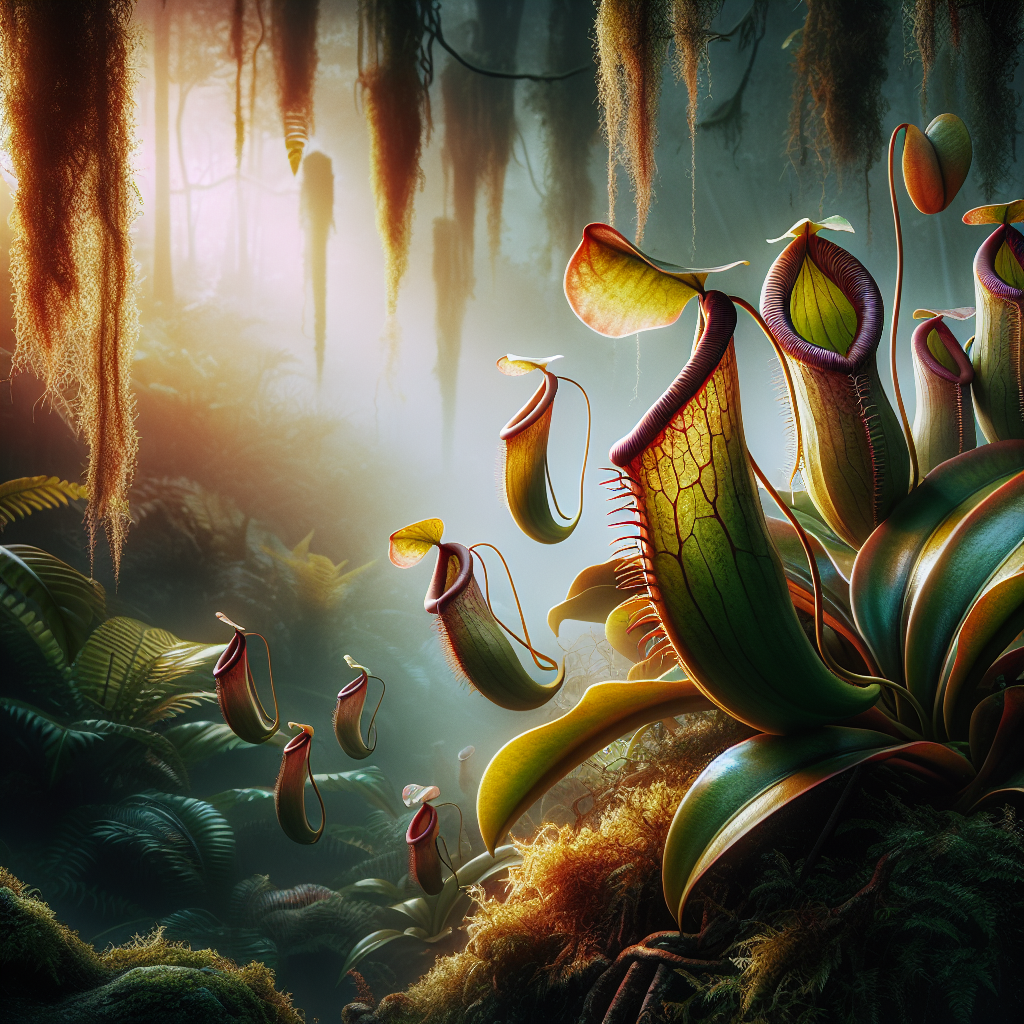

In the heart of northeastern India, nestled in the rolling hills of Meghalaya, there's a plant that would make even the coolest Pokémon seem a bit mundane. Meet Nepenthes khasiana, a quirky yet fascinating carnivorous plant known for its unique 'pitcher' traps. While its distinctive traits bring a certain sense of wonder, this plant isn’t just about looking exotic or being a conversation starter. It's also a symbol of the rich biodiversity that thrives in this region, as well as an endangered species representative of global conservation struggles.
Nepenthes khasiana is an enigma among plants. Unlike your regular houseplant, this species has a jaw-dropping method of getting nutrients. Instead of solely relying on the soil, these plants have evolved to trap unsuspecting insects within their pitcher-shaped leaves. Once inside, the insect finds it hard to escape, adding a whole new meaning to the saying 'going down the rabbit hole.' Here, in a liquid brew inside the pitcher, nutrients are absorbed by the plant. Far from just a biological curiosity, this adaptation allows the plant to survive in nutrient-poor environments, an evolutionary marvel.
This plant's journey to fame didn't happen by chance. Scientifically identified as far back as the 19th century, Nepenthes khasiana is the only pitcher plant native to India. Due to its rarity, this plant's habitat is primarily confined to the rainy and humid Khasi and Jaintia hills of Meghalaya. Its adaptation to this unique climate showcases nature's incredible ability to tailor-make solutions to ecological challenges.
Yet, behind the foliage of fascination, there lurks a pressing concern. Nepenthes khasiana is currently listed as endangered on the IUCN Red List of Threatened Species. Ongoing threats like deforestation, land conversion, and climate change are creating a hostile environment for its survival. As lush forests make way for agricultural fields and urban settlements, the natural habitat of this species is rapidly shrinking. This is where the world of conservation steps in, working tirelessly to ensure species like Nepenthes khasiana continue to thrive.
Several initiatives have emerged to protect this botanical gem. By engaging local communities and employing scientific conservation methods, efforts aim to restore and preserve its natural habitat. Cultivation programs, awareness campaigns, and legal protections are essential elements in the strategy to prevent this species from disappearing. This plant, beyond its ecological role, has cultural and aesthetic significance for the indigenous peoples. Often featured in folklore, Nepenthes khasiana is seen as a symbol of both mystery and resilience.
However, it's not all bad news. The conservation initiatives also spotlight broader environmental issues that align with global discourse on biodiversity and the impacts of climate change. It’s a dialogue that finds resonance across generational lines, uniting different strands of activism towards a shared goal. For some, the idea of preserving plants might seem secondary, especially when compared to more direct human concerns. However, the interconnectedness of ecosystems tells a different story. Each species, however small, plays a role in maintaining the balance of nature.
Counterarguments often arise around such conservation efforts. Questions about economic benefits and land usage pose challenges, especially in regions where communities rely heavily on agriculture for their livelihoods. Proponents of conservation argue that sustainable practices can align economic needs with ecological responsibility. Advocates for development might claim that resource availability should prioritize direct human needs over plant conservation. Yet, both sides can find common ground when recognizing the importance of ecological balance for long-term sustainability.
By fostering dialogue and understanding, we create pathways for coexistence—embracing the idea that nature and prosperity aren't mutually exclusive. It reminds us that immediate profits should not outweigh the imperative of sustainability. As we navigate these complex conversations, Nepenthes khasiana stands as a testament to our shared responsibility.
Encouragingly, the narrative around Nepenthes khasiana transcends borders, reflecting a wider collective commitment to recognizing and acting on the need for conservation. By understanding the microcosm of issues affecting Nepenthes khasiana, we gain insights into the broader tapestry of global environmental challenges. It's about recognizing the importance of each thread in preserving the beauty of our planet. This approach offers hope, fueling the imagination and inspiring more people to contribute to conservation efforts in meaningful ways.