
Narai-juku: A Journey Through Time
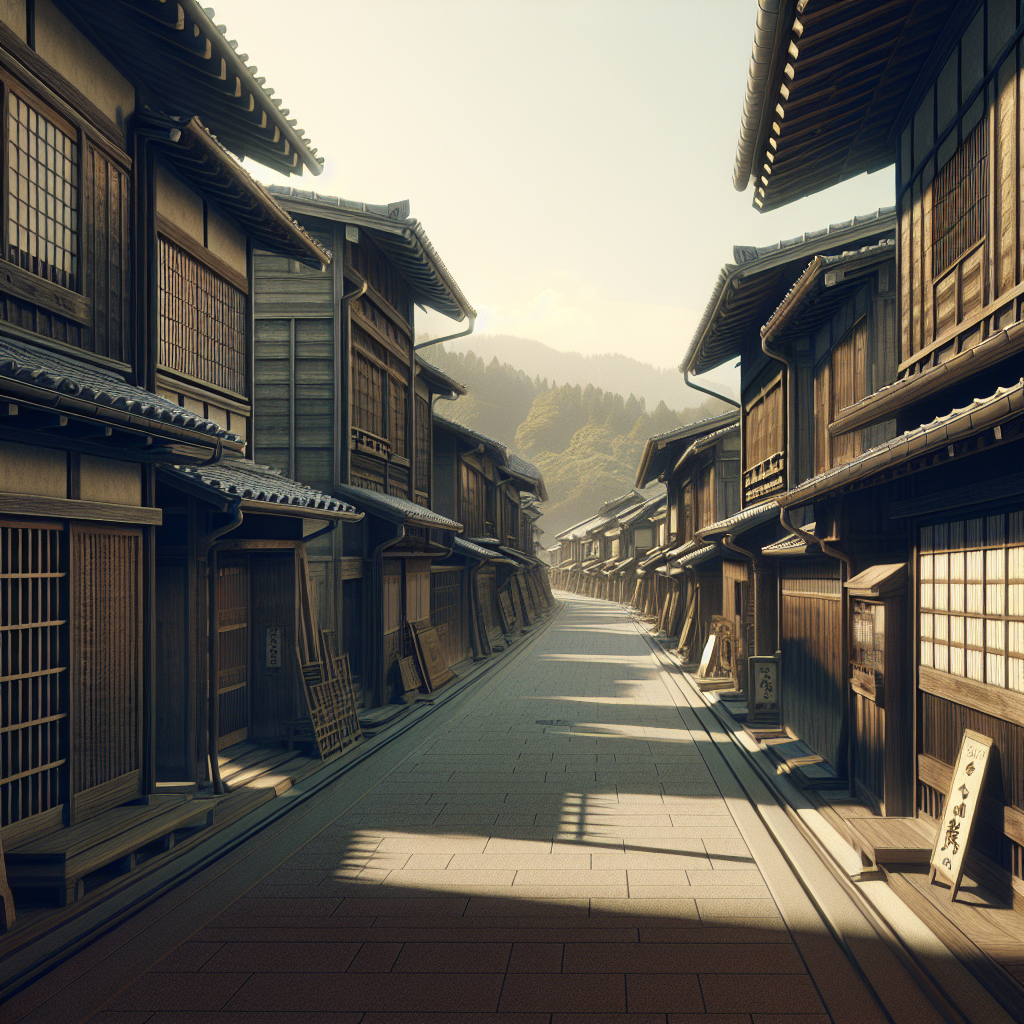
Imagine stepping into a time machine and landing in the Edo period of Japan, where samurais roamed and merchants thrived. Narai-juku, a historic post town located in the Kiso Valley of Nagano Prefecture, offers just that experience. Established in the early 17th century, Narai-juku was a bustling stop along the Nakasendo, one of the five routes of the Edo period that connected Edo (now Tokyo) to Kyoto. This picturesque town, with its well-preserved wooden buildings and cobblestone streets, provides a glimpse into Japan's rich history and cultural heritage.
Narai-juku is a testament to Japan's dedication to preserving its past. The town's architecture is a striking reminder of the Edo period, with traditional wooden houses lining the streets, many of which have been converted into museums, shops, and inns. Walking through Narai-juku feels like being transported back in time, with the absence of modern distractions allowing visitors to fully immerse themselves in the historical ambiance. The town's preservation efforts have been recognized nationally, and it is often referred to as the "Narai of a Thousand Houses" due to its long stretch of historical buildings.
For those interested in history and culture, Narai-juku offers a unique opportunity to explore Japan's past. The town is home to several historical landmarks, including the Nakamura Residence, a former samurai house, and the Kiso Ohashi Bridge, a wooden bridge that has been reconstructed to its original Edo period design. Visitors can also enjoy traditional crafts and local delicacies, such as soba noodles and gohei mochi, a type of rice cake. The town's annual festivals, such as the Narai-juku Festival in September, further showcase its cultural heritage through traditional music, dance, and parades.
While Narai-juku is a treasure trove of history, it also faces challenges in balancing preservation with modern needs. The town's population is aging, and younger generations are moving to urban areas for better opportunities. This demographic shift poses a threat to the town's sustainability and the continuation of its cultural traditions. Efforts are being made to attract tourists and promote Narai-juku as a destination for cultural tourism, which could provide economic support and encourage younger people to return.
Some may argue that modernizing Narai-juku could bring more economic benefits and improve the quality of life for its residents. However, it's important to consider the value of preserving cultural heritage and the unique experience it offers. Narai-juku's charm lies in its authenticity and historical significance, which could be lost if modernization takes precedence over preservation. Finding a balance between the two is crucial to ensure that Narai-juku remains a living testament to Japan's history while adapting to the needs of its residents.
Narai-juku is more than just a tourist destination; it is a living museum that tells the story of Japan's past. Its preservation is a reminder of the importance of cultural heritage and the role it plays in shaping a nation's identity. As we navigate the challenges of modernity, places like Narai-juku offer valuable lessons in maintaining a connection to our roots while embracing the future. Whether you're a history enthusiast or simply looking for a unique travel experience, Narai-juku is a destination that promises to captivate and inspire.