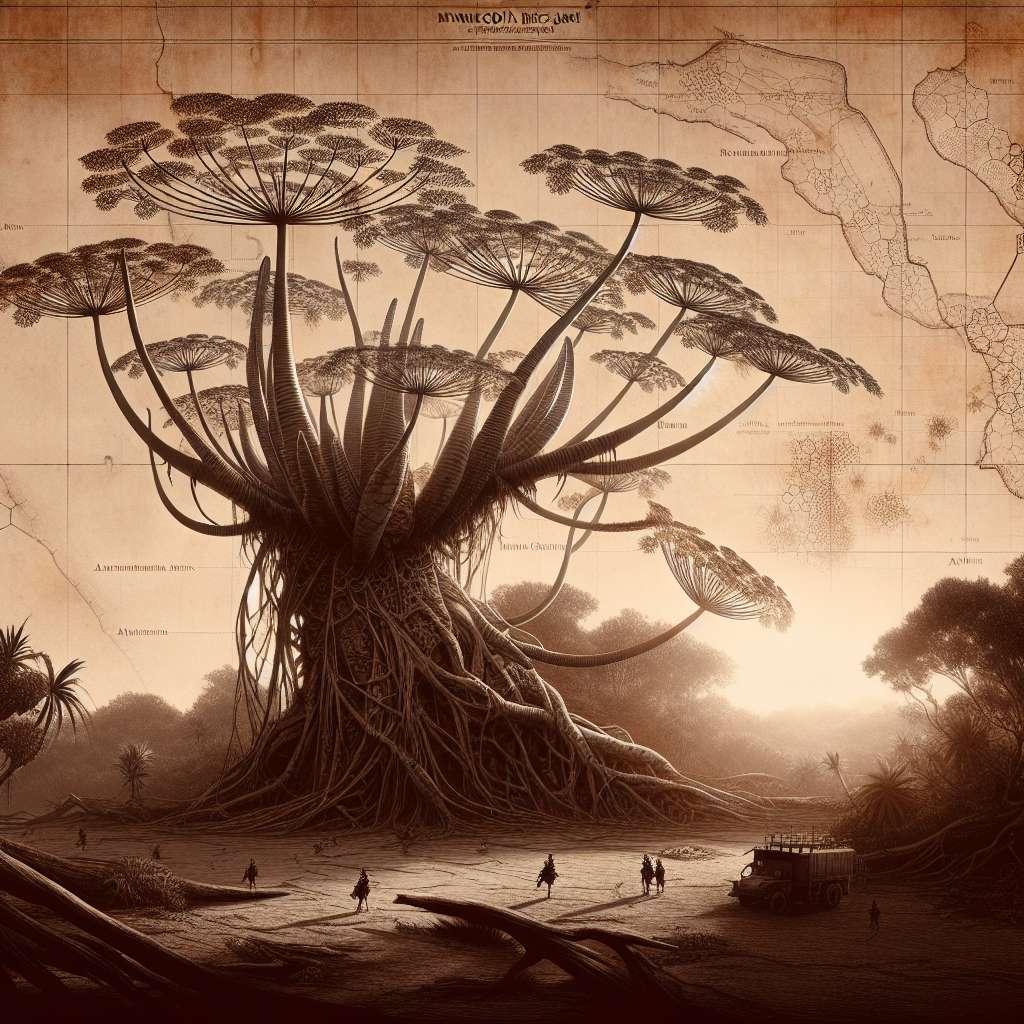

Imagine a plant that is possibly more fascinating than your favorite sci-fi movie. Enter Myrmecodia beccarii, a peculiar plant hailing from the rainforests of northern Australia. This unique flora acts like a host, forming a symbiotic relationship with ants, hence its nickname, the 'Ant Plant.' It thrives in humid, tropical environments, generally found clinging to moss-covered trunks and branches of trees. But why is this odd plant causing a stir among botanists and plant lovers?
Myrmecodia beccarii makes its home by growing where it can capture sufficient light while avoiding ground-based predators. Its hollow, swollen stem serves as a nest for ants, inviting them in by offering shelter in exchange for protection and nutrition. The ants provide the plant with nutrients from their waste, a cozy balance of give and take that benefits both parties. This mutualistic relationship shines a bright light on the interconnectedness of nature, where one species’ growth supports another’s.
Some may argue that Myrmecodia beccarii is nature's way of showcasing its humor. The bulbous, knobby structures of the plant resemble a thing you'd expect in a fairy tale or fantasy art, with labyrinth-like tunnels housing its little ant inhabitants. Yet, this fascinating arrangement is nature's genius in action, setting up a micro-ecosystem on a treetop. It captivates those who see it, prompting curiosity about how such a bond evolved and how it's sustained. The plant doesn't only intrigue by its looks but carries biological secrets that continue to spur scientific inquiry.
Environmentalists who gaze upon this wonder might reflect on the sustainability message it inadvertently sends. Myrmecodia beccarii reminds us that collaboration often leads to mutual benefits, teaching us a thing or two about teamwork and cooperation. On a broader scale, it signifies the intricate networks that flourish when entities are allowed to vary and thrive together. But what happens when these habitats shrink or vanish due to human activity?
Conservationists might point out the plant's reliance on such specific conditions as a reminder to preserve the rainforests that harbor these luscious oddities. Still, opponents might argue that focusing on seemingly obscure plants like Myrmecodia beccarii distracts from broader issues facing climate and ecosystems worldwide. They could argue that efforts should concentrate on food security or more pressing matters impacting human society. However, losing these unique species creates a ripple effect, slowly unraveling a rich tapestry of life that remains hidden until directly affected.
The popularity of Myrmecodia beccarii has also taken root in the plant enthusiast's world. Gen Z has shown increasing interest in cultivating such rare flora as houseplants, valuing their unique appearance and the challenge they present in keeping them alive and well. Much like a video game or a puzzle that requires an understanding of new mechanics, keeping a Myrmecodia happy and healthy sparks a sense of achievement akin to leveling up. It offers budding botanists access to a niche that lives outside traditional gardening, fostering a new-found respect for unwritten ecological roles.
Available typically through specialty growers and nurseries, Myrmecodia beccarii demands a level of care dependent on mimicking its natural habitat. These efforts may denote a shift in thinking, promoting ecological awareness through a personal interest in horticulture. As young people engage with plants like Myrmecodia, they come to appreciate the detailed ecosystems that spark life, opening doors to conversations about our planet's green future.
A gentle call echoes in the botanist and gardening communities surrounding rare plants and their habitats. Do Myrmecodia beccarii enthusiasts consider their carbon footprint when acquiring and caring for these exotic specimens? Conversely, are companies supplying them mindful of sustainable sourcing? The plant acts much like a silent advocate for biodiversity, encouraging discussions about ethical practices and the responsibility of plant trade.
Critics of the resources spent cultivating such plants might question the rationale but often overlook the organic knowledge fostered by understanding nature’s intricacies. By learning how to care for Myrmecodia beccarii, personal skills and environmental connate might flourish. Every bulbous form and hollow cavity spins a tale of survival and adaptability, tangible lessons from wilder parts of the world available within the confines of urban living spaces.
To draw boundaries within our minds around plants like Myrmecodia beccarii would be a missed opportunity, for its story portrays more than an unusual bromeliad and ant association. It offers a metaphorical glimpse into biodiversity constellations that illuminate paths towards sustainability. Each life form, regardless of its size or immediate impact, ripples through the shared environment both on our planet and in our homes. The perspective gained from Myrmecodia can teach lessons that transcend plants and ants, influencing broader thinking about ecosystems and the active roles they play in harmonizing a world ever teetering between development and conservation.