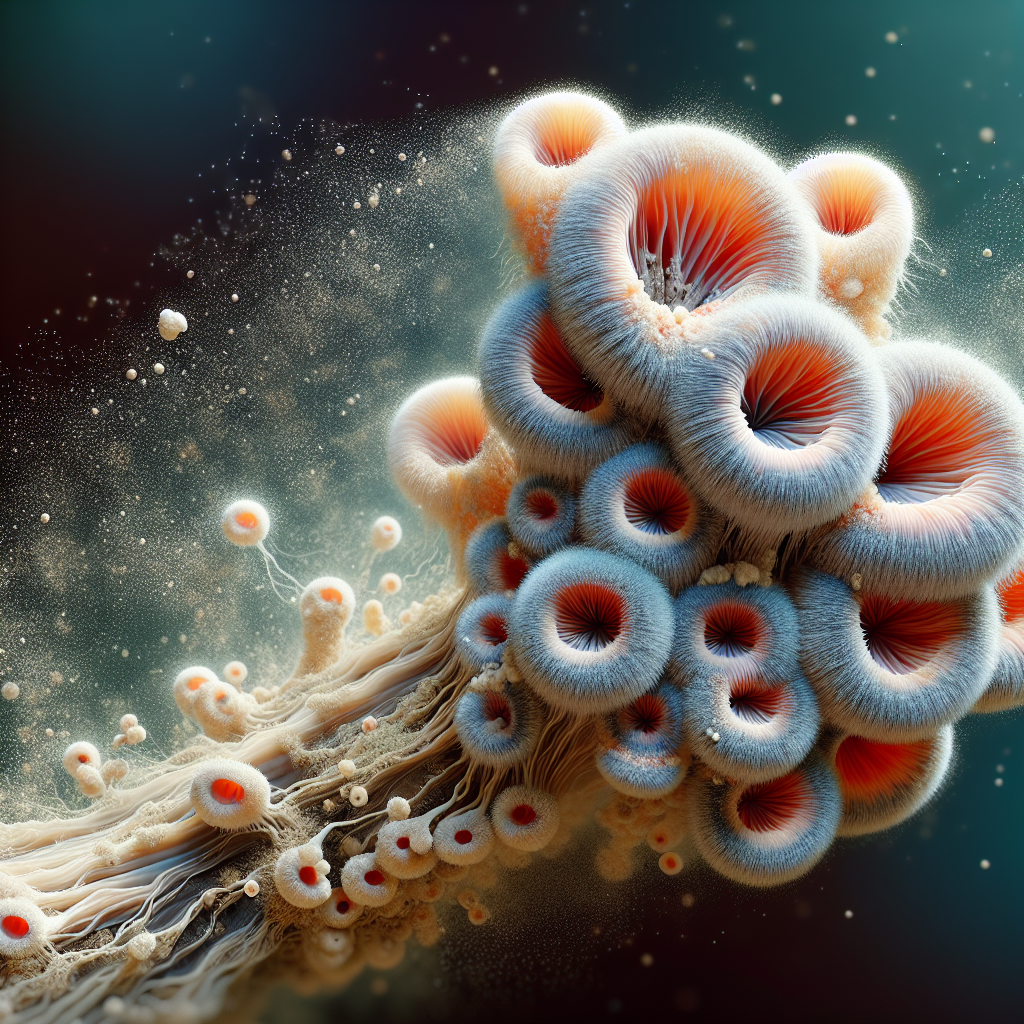

Picture a fungus that looks more like an alien artifact than a member of Earth's ecosystem. Meet Myriostoma, a fascinating fungus that captures the imagination with its star-like appearance and peculiar habitat choices. Myriostoma, whose name charmingly translates to "many mouths," is a type of earthstar fungus that was first classified in Europe in the late 18th century. It's typically found in sandy soils, lavishing its charismatic presence in regions like North America, Australasia, and parts of Europe. The reason why Myriostoma stands out isn't just due to its celestial shape, but its unique ecological role and reproductive mechanism, which has enchanted scientists and nature lovers alike.
Earthstars in general are an intriguing niche, even in the eclectic world of fungi. What makes Myriostoma special is its hydrophilic nature. It relies on drops of water for its spores to release. As raindrops hit the fungus, it launches spores into the air, nature's own spore-based firework display. This mechanism is not only genius but also fundamental in propagating this quirky life form. The spores, hopefully, land on fertile soil to repeat the cycle of growth and spore dispersal.
Though often overlooked due to its niche habitat requirements and subtle colors, Myriostoma’s ecological role is equivalent to a tiny cog in a giant ecological machine. It’s a decomposer, which means it breaks down dead material, helping to recycle nutrients back into the soil. Myriostoma and its ilk improve the ecosystem by naturally enriching the soil, proving that even mild-mannered entities in the wild can pack a punch behind the scenes.
Exploring Myriostoma can also spark broader discussions about the world we live in and our roles within it. The presence of Myriostoma is particularly sensitive to changes in climate, pollution, and land use, serving as a natural indicator of the wellbeing of its ecosystem. It provides a window into the health of the natural habitats it calls home. Through this lens, Myriostoma inadvertently raises awareness about environmental conservation.
Some experts think that Myriostoma’s preference for less-disturbed habitats suggests a pressing need for us to consider land conservation policies. The essence of preserving such unique fungi hinges on protecting the quiet corners they inhabit from deforestation and urban sprawl. In an era where environmental protection frequently stands in the crossroads of political deliberation, this argument sheds light on broader pushes for conscientious land use.
Critics might argue that focusing on such an obscure organism seems misplaced when there are tangible, human-centric issues pressing for attention, like poverty and healthcare. This viewpoint has validity—the allocation of resources is a balancing act. Yet, understanding Myriostoma can lend perspective on the importance of maintaining biodiversity, which indirectly benefits humanity by maintaining the ecosystems that provide resources such as clean water, food, and air.
For the curious minds of Generation Z, who stand on the frontier of both environmental advocacy and cutting-edge technology, Myriostoma is a brilliant example of the tiny wonders waiting to be championed. The scientific pursuit to learn about such fungi emphasizes the interconnectedness of life and urges us to consider the wider implications of habitat conservation and ecological preservation.
There's a certain beauty in acknowledging that a seemingly peculiar fungus can have profound effects on both its immediate environment and, by extension, on us. The tale of Myriostoma is more than just an intriguing natural tidbit. It's a reminder that each segment of nature has its part to play, whether or not we always see the outcome.
Perhaps as awareness of biodiversity's importance spreads, more voices will argue for the conservation of these less-glamorous aspects of wildlife. Myriostoma, with its charming multiplicity, symbolizes the diversity of life. Its delicate call for conservation is not just about preserving a fungus. It's about preserving a world where every unique form of life is valued, and in doing so, securing the future for generations to come.