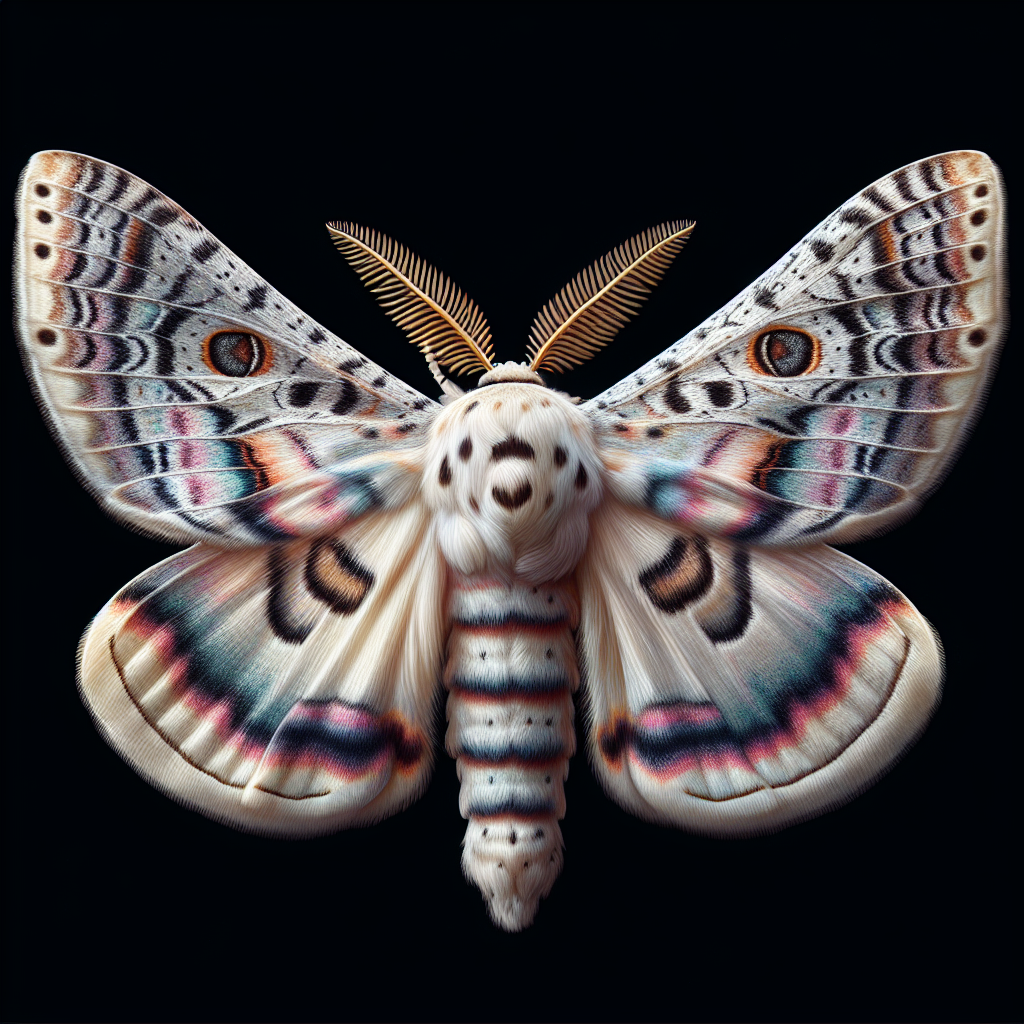

Forget everything you thought you knew about moths because Mompha stellella is here to blow your mind. This little-known moth might not shine in the limelight of celebrity-like monarch butterflies or hummingbird hawk-moths, but it's definitely a star in its own right. Native to Europe, the species has been fluttering around since its naming by German entomologist Philipp Christoph Zeller in 1839. Here's the kicker—it’s not out there for your garden's photo ops; this moth has a mysterious and unique life cycle that's far more interesting than its fellows.
Mompha stellella belongs to the Momphidae family. Don’t let its diminutive size fool you; this moth is a master of disguise. Its adult form is a small, brownish moth, easily overlooked unless you're keenly observant or, dare I say, a dedicated entomologist with a macro lens in hand. You’re unlikely to spot one fluttering around city lights. No, instead you'll find it among its chosen sanctuary—the great wild outdoors, where it spends its quiet life alongside its plant partners.
What sets this moth apart is its unique relationship with its host plants. It primarily feeds on Onagraceae family plants like Willowherbs and Epilobium. The larvae form captivating leaf mines, which are small tunnels they create as they eat the leaf tissues. This isn't mere survival, but an exquisite dance of evolution where each plays its role—the moth gains nourishment, and inadvertently, the plant gets pruned in a way that’s not typically damaging.
It is always about balance. The world can seem big and scary, filled with creatures large and small all trying to carve out their niche. But this moth demonstrates the intricate web of relationships in nature, exhibiting a micro-level ecosystem that flourishes away from human gaze. It tells us a lot about the sustainability and co-dependence of species living side by side. Much like in our society where cooperation tends to yield the best outcomes.
Is it surprising that climate change affects even these minuscule moths? Socially aware folks, particularly from Gen Z, who are championing environmental awareness, will find it imperative to notice how each ecological shift reverberates on animal populations, including those of the small and unassuming Mompha stellella. Rising temperatures, habitat destruction, and pesticide usage could threaten its survival, much like how economically and politically, decisions made by the powerful affect those without power.
In a world that's buzzing with life, advocating for the preservation of biodiversity feels vital. Not everyone has to be a tree hugger, but perhaps it's wise to at least acknowledge the interconnections of life, especially when they are as artful and delicate as leaf mines. It reminds us to be conscious that even the smallest species hold significance in the grand tapestry of Earth's biosphere.
There will always be differing opinions about conservation priorities—some argue that resources should focus solely on species directly impacting our survival. Yes, it's true that basic human needs must be met first, a point often underscored by economically-driven agendas. Yet, pondering Mompha stellella may coax us to embrace conservation as a broader existential ethos. We each play our part, intentionally or not, in the ecosystem. Preserving even the unseen and, at times, seemingly insignificant species could yield unforeseen benefits to our world. Examining interconnectedness often gives birth to ideas that challenge the status quo.
So what's in it for us? Gen Z and beyond might ask, "Why should I care about a minuscule moth?" Because nurturing empathy for all living things enriches us. It's a gentle lesson in humility and coexistence, a reminder that there are countless lives humming along, playing invisible yet critical roles in sustaining the world we share. Plus, breaking out of an anthrocentric viewpoint might expand our world vision, fostering respect for every living organism.
As humanity ventures into the future, technological advances and immediate human concerns often overshadow subtler natural phenomena. But like turning down the volume to hear the soft notes of a complex symphony, we might gain fresh insights by paying attention to the lesser-known. It's not about being mindlessly idealistic; it's about understanding that ethical stewardship and rational management of natural resources ensure longevity for all species, including us humans.
Shifting paradigms isn't easy, but Mompha stellella wears the crown of resilience. Its very existence inspires us to reconsider how nature’s hidden details parallel our societal constructs. And maybe, just maybe, this moth could encourage a shift from passive fascination with biodiversity to active participation in its preservation, one tiny wing flap at a time. Because sometimes, it's the smallest actors in life's stage that teach us the most profound lessons about existence, interdependence, and mutual understanding. Isn't that worth contemplating?