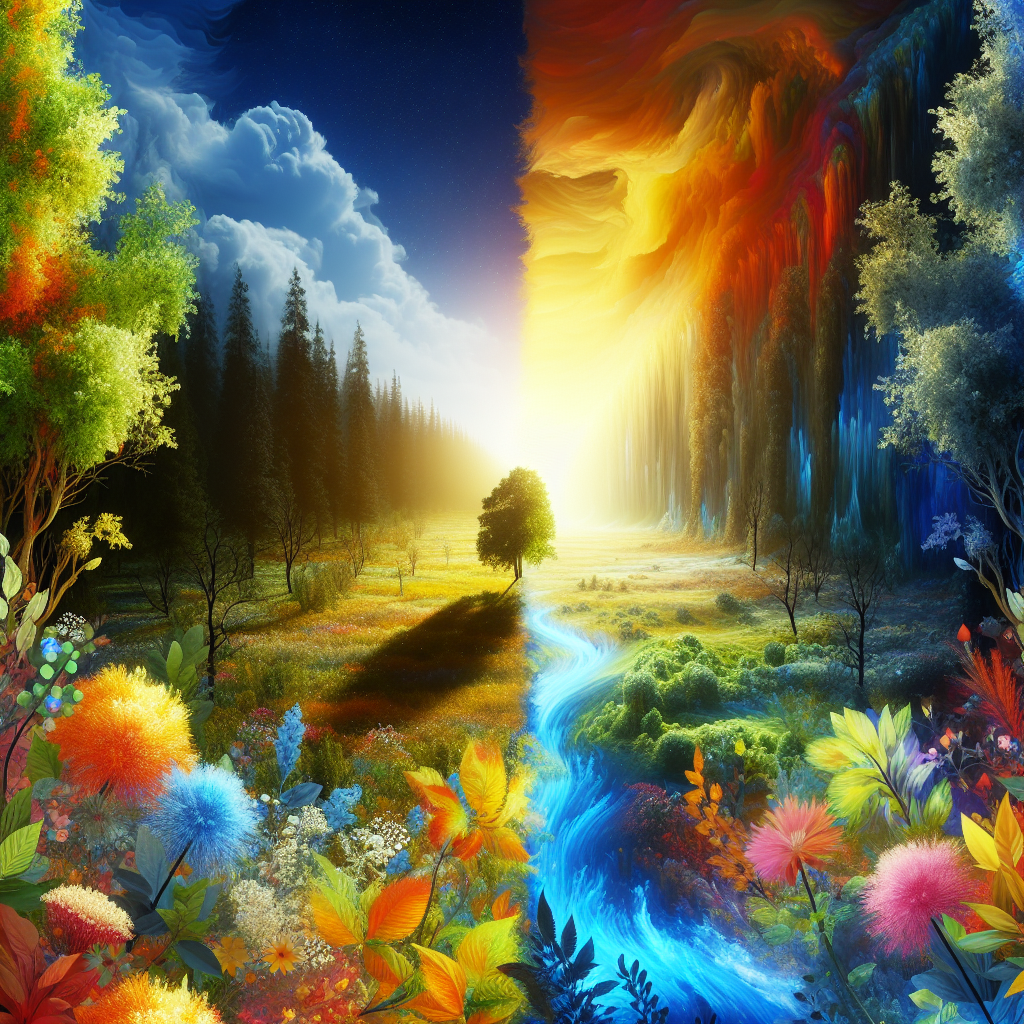

Missing: The Other Side
Imagine a world where only one side of a story is ever told. This is the reality we often face in today's polarized political climate. The "other side" frequently goes missing in our discussions, especially when it comes to contentious issues like climate change, healthcare, and social justice. This phenomenon is not limited to a specific time or place; it is a global issue that has been exacerbated by the rise of social media and echo chambers. The reason behind this is simple: it's easier to engage with information that confirms our existing beliefs than to challenge them. However, understanding the other side is crucial for meaningful dialogue and progress.
In the United States, the political divide has become more pronounced over the years. The media landscape is often split along ideological lines, with outlets catering to specific political leanings. This has led to a situation where people are consuming news that aligns with their views, reinforcing their beliefs and dismissing opposing perspectives. The result is a lack of understanding and empathy for those who hold different opinions. This is not just a problem for conservatives or liberals; it affects everyone.
The absence of the other side in our conversations can lead to a lack of critical thinking. When we only hear one perspective, we miss out on the opportunity to question our assumptions and consider alternative viewpoints. This can be particularly damaging when it comes to policy decisions that impact millions of lives. For example, debates around healthcare reform often become mired in partisan rhetoric, with each side demonizing the other rather than working together to find solutions. By ignoring the other side, we risk making decisions based on incomplete information.
It's important to recognize that people on the other side of the political spectrum are not inherently bad or misguided. They have their own experiences and reasons for holding their beliefs. Engaging with these perspectives can lead to a more nuanced understanding of complex issues. It can also help bridge the divide and foster a sense of community, even among those who disagree. This doesn't mean we have to agree with everything the other side says, but it does mean we should be open to listening and learning.
Social media platforms have played a significant role in amplifying the divide. Algorithms are designed to show us content that we are likely to engage with, which often means content that aligns with our existing beliefs. This creates echo chambers where dissenting voices are drowned out. While social media can be a powerful tool for connecting people and sharing information, it can also contribute to the polarization of society. It's important to be aware of this and actively seek out diverse perspectives.
Education is another key factor in addressing the missing other side. Schools and universities should encourage critical thinking and expose students to a range of viewpoints. This can help young people develop the skills they need to engage in constructive dialogue and make informed decisions. Encouraging open-mindedness and empathy from a young age can have a lasting impact on how we approach political and social issues.
Ultimately, the missing other side is a challenge that requires effort from all of us. It means stepping out of our comfort zones and engaging with people who think differently. It means questioning our assumptions and being willing to change our minds. It means recognizing that the world is complex and that no single perspective has all the answers. By embracing the other side, we can work towards a more inclusive and understanding society.