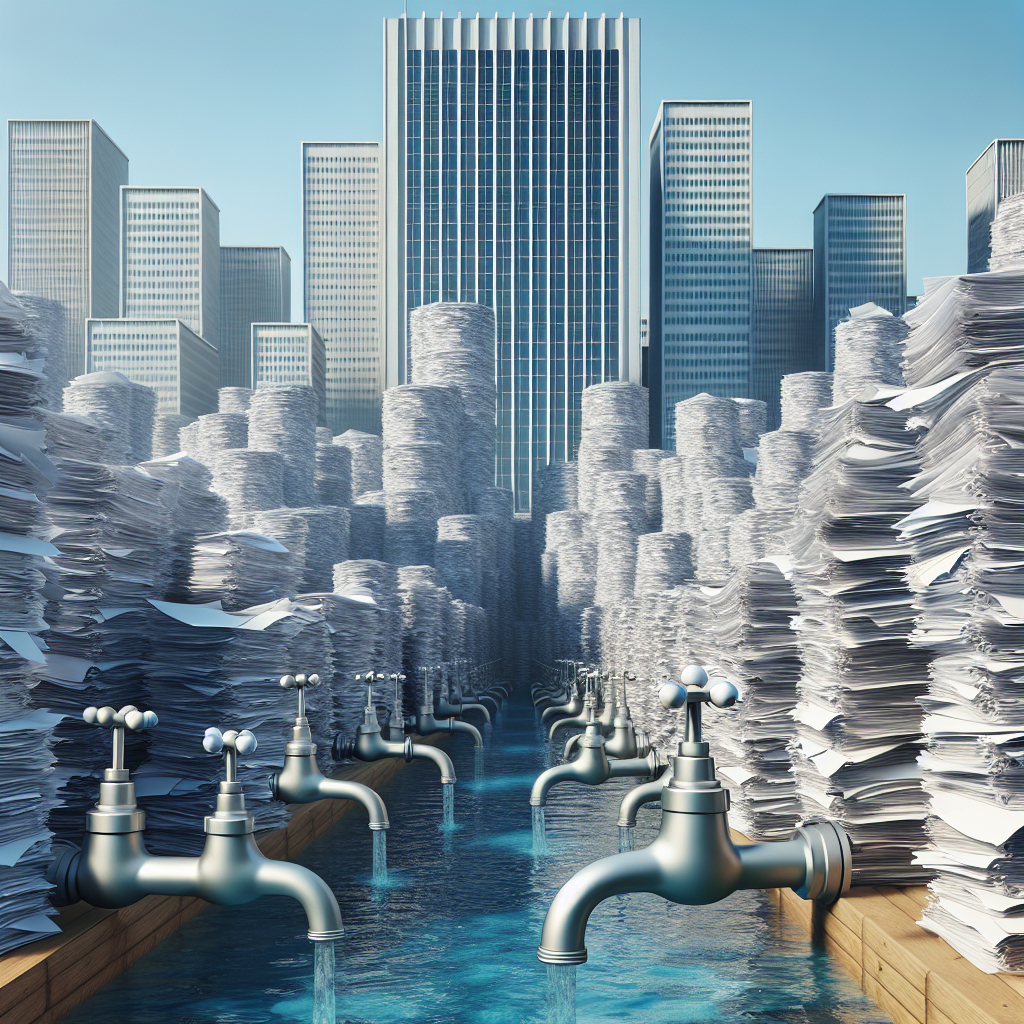

Imagine Bangladesh as a delicate dance partner, twirling between its abundant rivers and fertile lands. At the helm of this choreography lies the Ministry of Water Resources, a vital institution tasked with managing the nation's water challenges. Established in the late 20th century, this ministry focuses on water safety, resource distribution, and flood management, crucial for a country where water can turn from nurturing neighbor to formidable foe in the blink of an eye.
Bangladesh is a country known for its vibrant culture and lush landscapes, but also its formidable geographical challenges. With rivers spanning thousands of kilometers, it faces constant trials from floods and water scarcity. Here, the Ministry of Water Resources steps in, not just a government body, but as the architect of the nation’s watery lifeline, coordinating with agencies like the Bangladesh Water Development Board to ensure sustainability and safety in water management.
One cannot overlook the importance of water resources to Bangladesh's agriculture, health, and economy. The Delta Plan 2100, for instance, exemplifies the ministry's long-term vision. It's an ambitious initiative aimed at eradicating poverty and achieving economic growth while coping with climate change. The plan emphasizes sustainable water resource management to enhance food production and reduce the poverty rate. This underscores how crucial water is to every facet of life and development in the country.
However, the authority and efforts of the Ministry of Water Resources are sometimes challenged. Critics argue that projects often fail to prioritize the poor and most vulnerable, and some strategies lead to environmental concerns like riverbank erosion and sedimentation. It's a complex dance, balancing development with ecological conservation. Yet, the ministry continues its work, constantly adjusting policies to improve outcomes for all citizens, especially underrepresented groups.
Considering the fast-paced changes in climate, it's clear the Ministry's role is more dynamic than ever. The melting of Himalayan glaciers and the increase in upstream water flow present new hurdles. The unpredictability of monsoon seasons further complicates this scenario. The ministry’s projects, like the Comprehensive Disaster Management Programme, demonstrate proactive steps to adapt to these changes with emergency measures and early warning systems.
One key initiative is the Bangladesh Delta Plan 2100 formulated by the ministry. Optimistic and bold, this blueprint intends to tackle issues such as sea-level rise, floods, droughts, and the equitable distribution of water. While this gives hope, it also shows the scale of challenges ahead. There is a need for continuous innovation in water resource technology and management methods to mitigate the impacts of such natural disasters.
The future presents a call to action for the Ministry of Water Resources, urging collaboration with international partners and NGOs to develop more holistic and sustainable approaches. Embracing advanced technologies, like Geographic Information System (GIS) and remote sensing, the ministry strives to improve water management while safeguarding the environment and communities' welfare.
Nonetheless, pushback exists in the form of map disputes sometimes leading to cross-border tensions with neighboring countries over water sharing agreements. Transboundary river management is a diplomatic battlefield as much as a scientific endeavor. The ministry’s task of mediating these disputes to ensure equitable water distribution is crucial for regional harmony.
Bangladesh's Ministry of Water Resources is a testament to resilience and adaptation amidst challenges. It symbolizes the nation’s efforts to rise above environmental adversities and use water as a tool for prosperity rather than a source of disaster. While the hurdles are daunting, they inspire innovation, collaboration, and community spirit—values that resonate with the younger generations.
As Gen Z, a generation known for its activism and dynamic worldview, engages with such issues, there is hope that sustainable and equitable water resource management becomes a shared global goal. The interconnectedness of today's world means solutions crafted in Bangladesh could influence water policies and climate resilience efforts worldwide. This connection brings a sense of shared responsibility and potential for positive change.