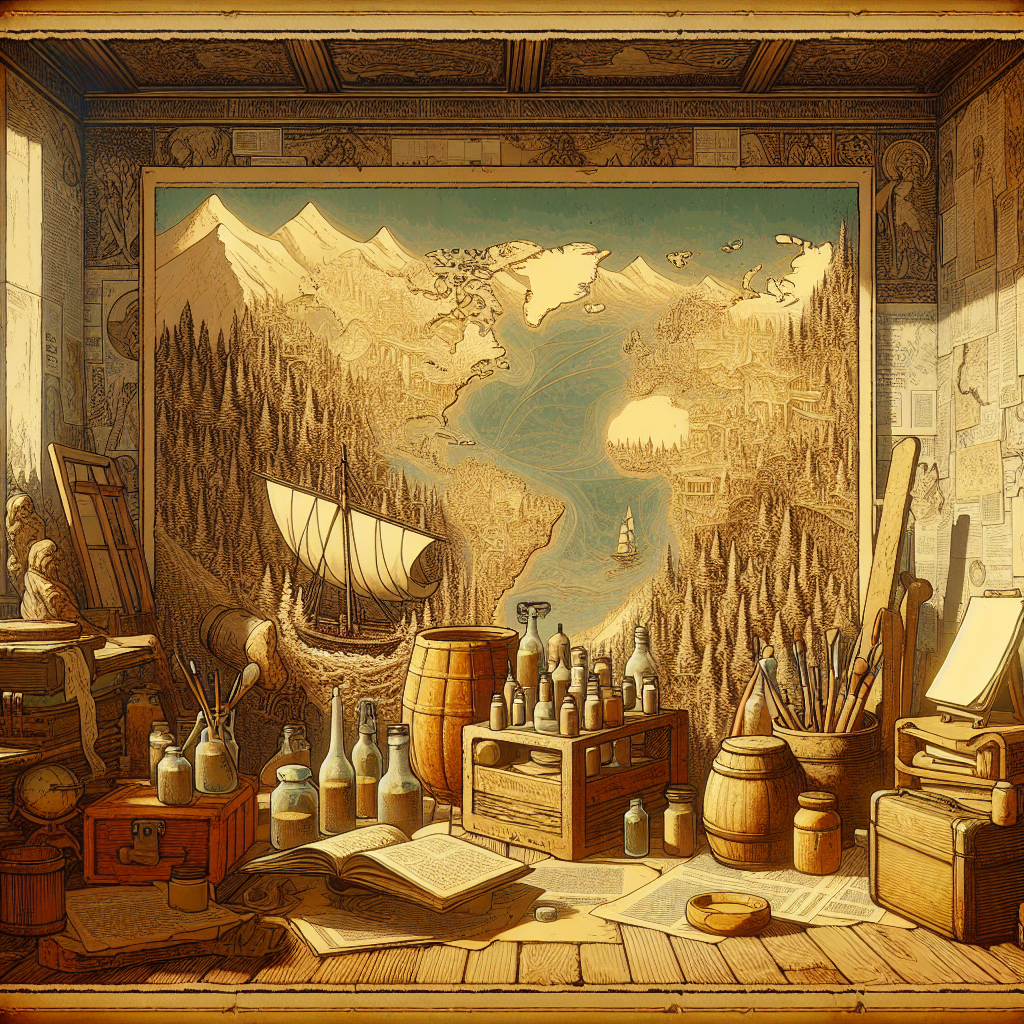

Ever thought about painting your walls with something made from milk? It sounds wild, but milk paint has been a thing since ancient Egypt! So, here's the real deal. You've got calcium mixed with proteins found in milk, often mixed with natural pigments to add color. This concoction creates a paint that's not only environmentally friendly but also super trendy in eco-conscious design circles. It’s like the Kombucha of paints. Connect with any art restorer or interior design enthusiast, and they might just gush over its natural and rustic finish.
But, why do some very practical folks—including new, spunky art-style influencers—choose milk paint over the vast ocean of other more modern options? The narrative varies. Some shout about its fantastic biodegradable factor—props for sustainability, right? Others are in for its seamless matte look or the velvety finish that exudes old-world charm, fitting snugly in both Pinterest-inspired farmhouse setups and that ultra-modern loft aesthetic.
Now, how do we get into this milk-lovin' paint heritage? Now and then, you'll find a piece restored with milk paint that flaunts its time-traveled elegance. From jazzing up an antiquated piece of furniture to lining modern apartment walls with a soft touch of history, this paint has been smoothly riding the waves through the ages. In those past days, making paint was as much chemistry as it was art. A person would whip some milk, lime, and pigments, resulting in a simple paste perfect for decorating everything, from the mundane walls of a house to grand artistic flourishes on artifacts.
Let's talk about the DIY intrigue that accompanies milk paint. It's a bit of artisanal crafting, right in your very own home—it can be bought pre-mixed, or for those brave DIY warriors out there, you can make it by mixing dry ingredients with water. Why go the extra mile? The crafter's advocacy answers: It's about engaging with the material, getting your hands a bit messy, and knowing you’re giving an old craft a great comeback—something uniquely satisfying. In modern narratives, especially among Gen Z who love upcycling and personalizing their spaces, this provides a canvas for creativity minus the heavy guilt of environmental waste. Bonus point: no need for chemical-based primers or sealants.
Of course, there's another side to the renaissance of this ancient paint. Critics argue that while charming, milk paint requires frequent maintenance. In humid environments, it can peel off quicker than its synthetic counterparts. Also, color options could be limited unless custom mixed, demanding more effort and susceptibility to inconsistency under different environmental exposures, an unintentional vintage distress look, perhaps? Not a bad argument if you're not fully about that unpredictable color life.
Some argue the nostalgia of renaissance appeal is maybe not worth the hurdles. More conventional companies provide a consistent, robust palette without the fuss—something busy modern lifestyles might not have patience for.
The dialogue around milk paint crosses through aesthetics, environmental virtues, and embodies a broader discourse on sustainability versus all-encompassing convenience. There's something about deciding actively for or against such an option that reflects a larger statement about our current priorities—balancing beauty with eco-accountability.
With everything we've tugged about, milk paint invites those intrigued by a sense of history and sustainability to splash it on their walls. It asks you to step back in time while still vibing with contemporary desires. If you’re inclined towards mindful beauty, where the Earth appreciates your choice, milk paint just might spark that 'oh-this-is-me' moment.
Ultimately, isn’t it lovely knowing our choices in paint, of all things, can echo things about who we are or want to be—impulsive creatives, earth-conscious citizens, or novelty seekers hopping between ideas? Every wall speaks a bit of its painter's story.