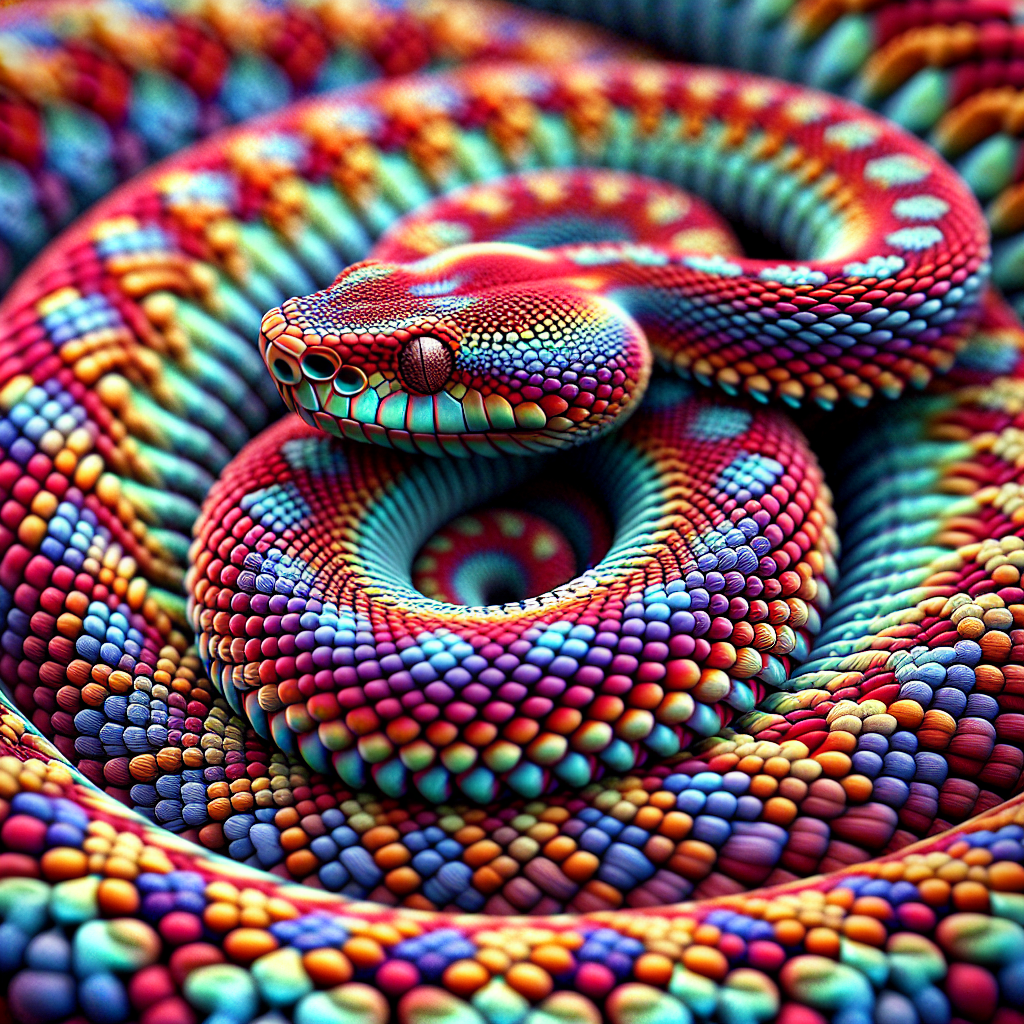

The Enigmatic Micrurus Distans: A Colorful Conundrum
Imagine a creature so vibrant and striking that it could easily be mistaken for a piece of modern art. Enter the Micrurus distans, commonly known as the West Mexican coral snake. This fascinating reptile is a member of the Elapidae family, known for its potent venom and distinctive coloration. Found primarily in the Pacific coastal regions of Mexico, this snake has intrigued herpetologists and nature enthusiasts alike. The Micrurus distans is not just a pretty face; its presence raises important questions about biodiversity, conservation, and the delicate balance of ecosystems.
The Micrurus distans is a small, slender snake, typically measuring between 50 to 70 centimeters in length. Its body is adorned with a series of black, red, and yellow bands, a pattern that serves as a warning to potential predators. This coloration is a classic example of aposematism, where bright colors signal danger. The snake's venom is neurotoxic, affecting the nervous system and potentially causing paralysis or even death. However, bites to humans are rare, as these snakes are generally reclusive and prefer to avoid confrontation.
The habitat of the Micrurus distans is as diverse as its appearance. It thrives in a variety of environments, from tropical forests to arid scrublands. This adaptability is crucial for its survival, especially in the face of habitat destruction and climate change. Unfortunately, like many species, the Micrurus distans faces threats from human activities such as deforestation and urbanization. Conservation efforts are essential to ensure that this unique species continues to thrive in its natural habitat.
While the Micrurus distans is not currently listed as endangered, its future is uncertain. The loss of habitat and the impact of climate change could pose significant challenges. Conservationists argue that protecting the natural habitats of such species is vital for maintaining biodiversity. They emphasize the importance of preserving ecosystems not just for the sake of individual species, but for the health of the planet as a whole.
On the other hand, some people view snakes like the Micrurus distans with fear and suspicion. The idea of living near a venomous snake can be unsettling, leading to calls for their removal or eradication. However, it's important to recognize the role these snakes play in their ecosystems. They help control populations of small mammals and other prey, contributing to the balance of the food web. Education and awareness can help shift perceptions, highlighting the ecological importance of these misunderstood creatures.
The Micrurus distans serves as a reminder of the incredible diversity of life on Earth. Its striking appearance and fascinating behavior make it a subject of interest for scientists and nature lovers alike. By understanding and appreciating the role of such species in their ecosystems, we can work towards a future where humans and wildlife coexist harmoniously. The story of the Micrurus distans is not just about a single species, but about the broader challenges and opportunities we face in preserving the natural world.