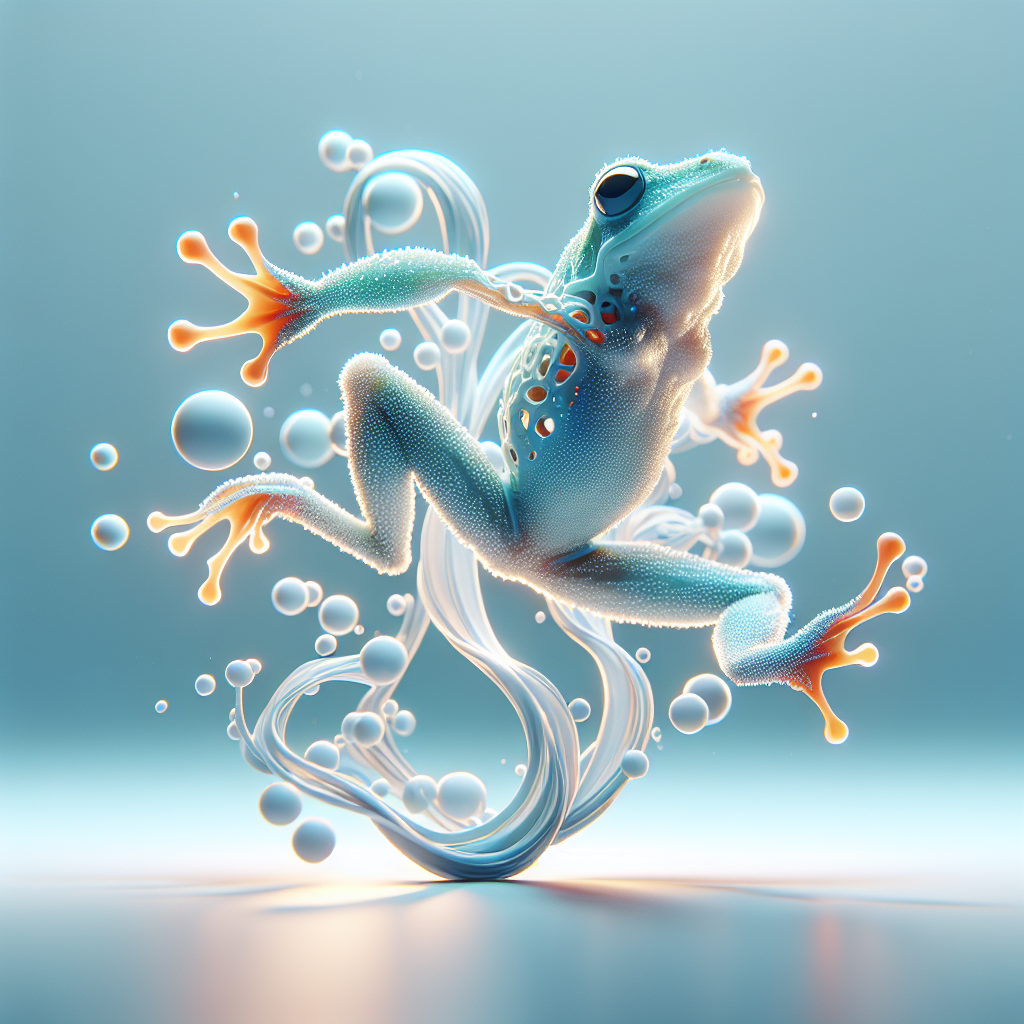

If Lady Gaga choreographed a nature documentary, Micrixalus elegans would be her star performer. Known as the "dancing frog," this charismatic species of frog is a vibrant resident of the Western Ghats in India. It's not just its eye-catching name that makes Micrixalus elegans fascinating; this frog is a small but mighty force in its ecosystem, embodying the intricate balance of biodiversity and environmental well-being.
Micrixalus elegans makes its splashy home in the damp, lush landscapes of South India, where rugged terrains provide the perfect stage for their distinctive leg kicks. These frogs are often seen near swiftly flowing water bodies, adding a lively whirl of color to the verdant backdrop. But what’s even more remarkable is their unique adaptation: they have developed an intriguing mating ritual that resembles a dance. Male frogs stretch out their legs and shake them in what appears to be an energetic jig. This display is thought to help in two ways: communicating with potential mates and establishing territory in their watery abode.
Understanding Micrixalus elegans is essential, not just because it’s charming, but also because it can offer insights into broader ecologies that humans, often distracted by the buzz of urban life, rarely appreciate. Biology, at its core, teaches us that every creature is a part of the greater life's performance. Take frogs—they're more than just pond-side singers; they are bio-indicators. This means that their presence, or indeed their absence, tells us a great deal about environmental health. Healthy frog populations usually point to cleaner ecosystems, whereas their decline can foreshadow trouble. The tiny, vibrant Micrixalus elegans carries this weight upon its miniature shoulders.
Alarmingly, the dance of Micrixalus elegans could be in danger of becoming a silent performance. This species, despite its seemingly endless enthusiasm for footloose revelry, isn’t immune to the pressures human activities exert on its environment. Deforestation, pollution, and climate change aren't just political buzzwords—they’re real threats to these amphibians. As habitats are encroached upon and waterways become polluted, the delicate ecosystems these frogs rely on become fragmented. And while the recent upsurge in environmental awareness is encouraging, translating awareness into action remains a crucial challenge.
Of course, one might wonder why we should care about small frogs dancing in far-off lands when we face more immediate human concerns. This sentiment isn’t uncommon, and empathy demands acknowledging it. Survival instincts drive us to prioritize our immediate environment and communities. Yet, the interconnectedness of life on Earth means that the shrinking dance floors of frogs like Micrixalus elegans can eventually lead to ripples that touch human lives. Both climate change and biodiversity are urgent humanitarian issues. Ensuring cleaner air, purer water, and livable environments is a goal that serves frogs, humans, and countless other species alike.
Gen Z, having grown up amidst rising climate activism, already understands these connections well. This generation often harbors hopes of marrying ecological health with technological advancements. Protective gadgets for rainforest flora, AI-driven conservation efforts, or even social media campaigns raising awareness about species like Micrixalus elegans—all find a place in Gen Z’s vision of the future. These actions underscore a simple belief: by safeguarding the ecosystems in which these frogs thrive, we’re ultimately protecting the delicate chain of life. It's more than a dance. It’s a symphony where every note matters.
Legal protections and conservation efforts are urgently needed to give Micrixalus elegans and its cousin species a fighting chance. Conservational work requires global support and redefined priorities. Local communities need to be at the forefront, but they need global allies, too. This might mean backing governmental conservation policies, supporting NGOs, advocating for sustainable development, or even adjusting personal habits to reduce environmental footprints.
More than just watching documentaries or attending protests, the onus lies in the daily decisions we make; from opting for sustainable products to casting votes for green policies and beyond. It is the collective small steps that can lead to monumental impacts.
As much as scientists work hard to monitor and protect species like Micrixalus elegans, the truth is that true protection must come from a broader change in human behavior and policy. This requires optimism, the will to cooperate beyond borders, and the wisdom to understand that the world is a shared dance floor. Micrixalus elegans, in all its elegant simplicity, nudges us to observe the poetry of life with fresh eyes.
In the end, whether it’s striving to protect the rainforests or fighting for environmental justice at home, the essence of the message remains: thriving frogs symbolize thriving ecosystems which ultimately translate into a thriving planet. And on this stage, every one of us is a performer. The real question is, what role will we choose to play?