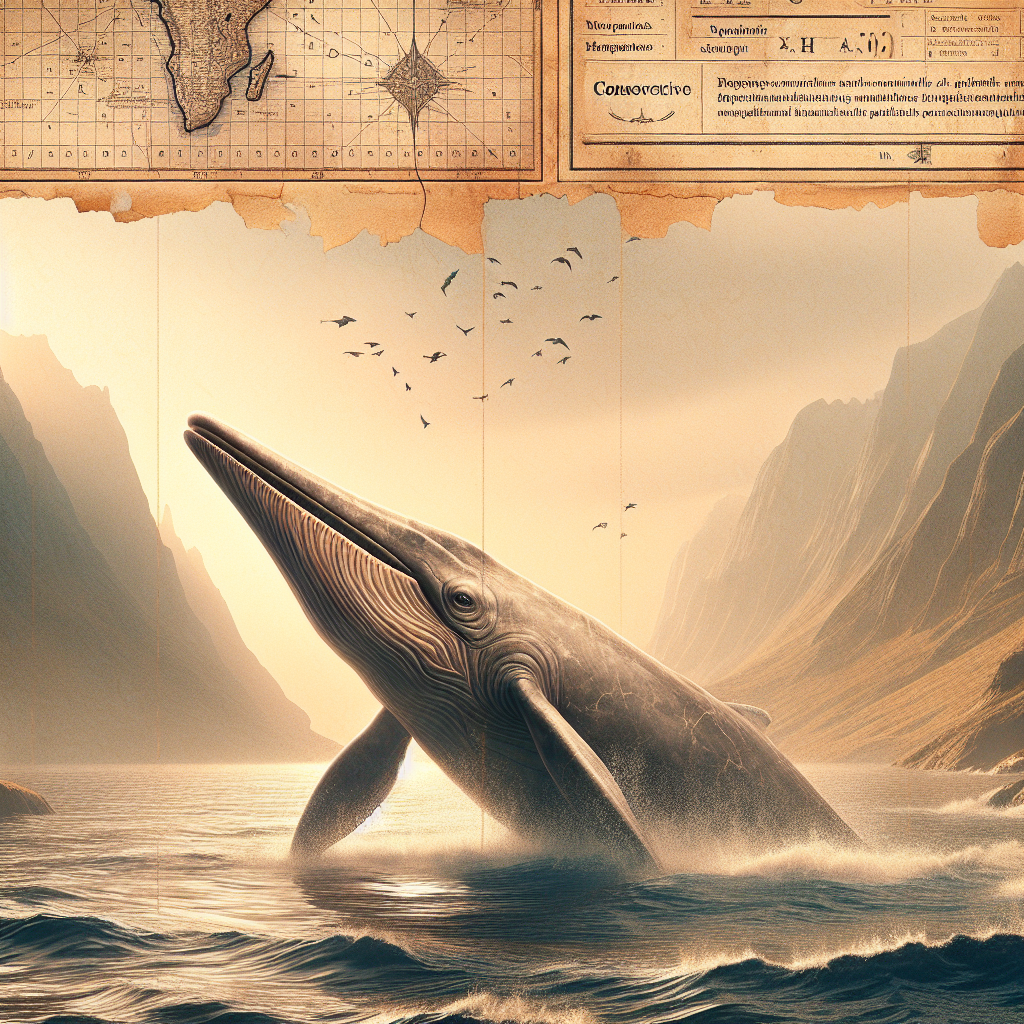

Imagine stumbling upon an elusive underwater creature that has remained a mystery for centuries. That's the journey of discovering the Mesoplodon, a type of beaked whale, belonging to the family Ziphiidae. These incredible creatures, known as Mesoplodons, have been captivating marine biologists and whale enthusiasts with their enigmatic presence in the vast oceans. Their story starts as far back as the early 19th century when scientists first identified them, yet they remain one of the least understood families of cetaceans. Mesoplodons are mostly found in deep oceanic waters around the world, from the chilly Arctic to the warm tropics, usually diving deep away from human eyes. But why are they so mysterious? Simply put, their secretive nature and prolonged stays underwater make them challenging to study.
Mesoplodons come in around 14-15 different species, each with its unique characteristics. From the Blainville's to the Ginkgo-toothed, each name seems as unique as their behaviors and physical traits. Unlike more famous whales, these cetaceans do not perform showy acrobatics above water. Instead, they remain quiet and hidden, making their existence almost as phantasmal as a myth.
Looking at a Mesoplodon, you may not notice anything extraordinary at first. They may range between 4 to 6 meters in length and are often gray or brownish in color. A distinctive feature for many of the males is a pair of strange teeth. These can sometimes appear to jut out, giving them a bizarre, prehistoric look. Scientists believe these teeth are used in mating displays or to establish dominance, much like antlers are on male deer.
So, what lifestyle do these mysterious creatures lead? They're known to be deep divers, often plunging over 1,000 meters below the ocean's surface in search of squid and fish. Their medio-passive role in the marine environment lets them selectively adapt to life in different depths and embrace a quiet existence that keeps them out of the limelight.
From an environmental standpoint, understanding the Mesoplodon's niche in the deep sea ecosystem is crucial. Yet, this understanding is jeopardized as the impacts of climate change and increased marine traffic can disrupt their habitats. Like many sea creatures, they are threatened by entanglements in fishing gear and pollution. Noise pollution poses a particularly acute threat to these whales, whose communication may hinge on delicate sound waves that motor boats and sonar systems can disrupt.
Ironically, their elusive behavior can be both a curse and a blessing. It obstructs thorough research, yet it might shield them from becoming another casual tourist's Instagram backdrop. However, if we dug deeper into our interests and concern for life forms like the Mesoplodon rather than mere entertainment, it could lead to more protective efforts.
The search for answers about Mesoplodons' lifestyle and behavior also presents an ethical debate. While some advocate for keeping our distance to ensure their environment remains free from human disruption, others argue for the necessity of invasive research to protect these creatures better. A balance between curiosity and respect forms the core of this debate, reflecting broader environmental considerations that involve minimizing human imprint on untouched parts of nature.
This reminds us of the delicate and often tenuous relationship humanity shares with our natural surroundings. While some may push for aggressive exploration, others encourage stepping back and allowing these animals a chance to exist without further intrusion. The very act of choosing restraint could provide an important paradigm of conservation efforts.
To understand Mesoplodons is to understand part of the vast and mysterious narrative the Earth holds in its deep waters. As climate strikes and mass protests highlight our planet's plight, species such as Mesoplodons are silent protagonists, vulnerable and ever-present in these discussions.
For a generation deeply informed and motivated by both digital and environmental consciousness, embracing the mystery of Mesoplodon is essential. They represent sustainability questions, reminding us of a moral obligation to protect various life forms. Ignoring these species feels like ignoring a crucial part of the world's biodiversity. In our quest for knowledge, let's not forget to approach even the least understood creatures like Mesoplodons with respect, ensuring their tale continues beneath ocean waves.