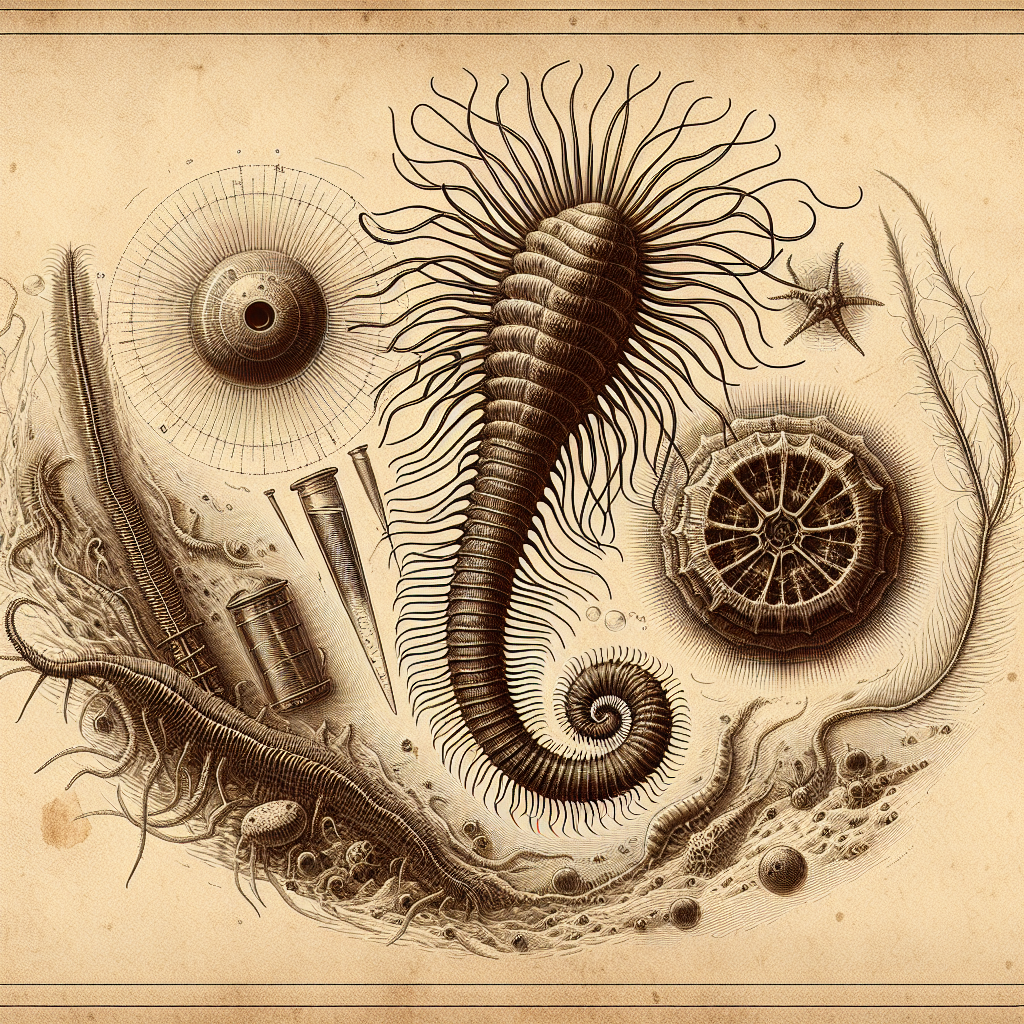

If there was ever a family of creatures that could star in their own horror movie, it might just be the Mermithidae. These are parasitic nematodes most commonly found in freshwater environments globally, making an impressive and somewhat gruesome appearance by emerging from their hosts. The name 'Mermithidae' might not be familiar, but they have been around for millions of years, occupying a crucial part of the natural ecosystem.
The Mermithidae family can be found hiding out in the watery locales where insects like mosquitoes, crickets, and grasshoppers might be frolicking. These nematodes need a host for part of their life cycle, which begins when tiny larvae manage to find their way into an insect host. There, they grow and eventually make their dramatic exit through the cuticle of their unfortunate insect landlords.
This entire process, grimly fascinating yet essential, illustrates the delicate balance of life and death within ecosystems. Mermithid nematodes aren't well-known to the general public, perhaps due to their small, secretive nature. But in the realm of biological control, they play a role that can significantly influence the populations of their host insects. This might sound like an episode of Stranger Things, but it's happening right in your backyard or a neighborhood pond.
Part of this narrative involves understanding the reasons why these parasites are so important. By naturally regulating the numbers of insects like mosquitoes, they can contribute to reducing the spread of diseases like dengue and malaria. In a time where climate change and insect-borne diseases are major concerns, the role of Mermithidae, small as it may be, becomes ever more poignant.
Such an important function raises questions about the balance between letting nature take its course and human intervention. In some ways, Mermithidae exhibit a fascinating form of biocontrol – an area of study that looks at using natural organisms to control pest populations. This method stands in contrast to more controversial and ecologically damaging chemical pesticides.
The use of Mermithidae as a hall-monitor in these ecological corridors positions them as surprise defenders of the environment. However, integrating these gentle yet aggressive controllers into managed environments can be tricky. The balancing act between pest control and letting nature do its thing isn't just a scientific discussion but also a political one, intersecting with environmental policy and climate action measures.
For instance, debates about reducing reliance on chemical pesticides and encouraging biocontrol practices find themselves in the same arena as discussions about conserving biodiversity. While some applaud the natural method for being eco-friendly, others might fear unintended ecological impacts. Use of any biological control agents, including Mermithidae, requires understanding and caution.
This doesn’t only engage scientists and policy makers. With Gen Z becoming increasingly aware and vocal about environmental issues, the conversation about how best to manage and protect our ecosystems is intensifying. Gen Z has a powerful role in shaping the future response to these complex issues by urging governments and companies to consider more sustainable practices.
While Mermithidae might seem like a niche interest, the implications of their existence, their bizarre life cycle, and their potential applications are far-reaching. Conversations about ecological balance, pest control ethics, and environmental conservation are becoming more mainstream, driven by a generation passionate about sustainability.
Understanding such complex interdependencies in nature grows our appreciation of the environmental web in which we all exist. These nematodes, however small and grotesque in their modus operandi, help sustain the larger narrative of life. They encourage looking at the world not just as it is, but as it could be, if managed with forethought and care.
Our approach to Mermithidae, therefore, mirrors larger questions about humanity’s place within the delicate web of nature. It highlights our shared race’s responsibilities to respect, protect, and balance the relationships within our environment. Navigating this challenge while supporting innovation and learning from the very fabric of nature allows us to dream of a healthier future. One where even the weirdest worms have their rightful place.