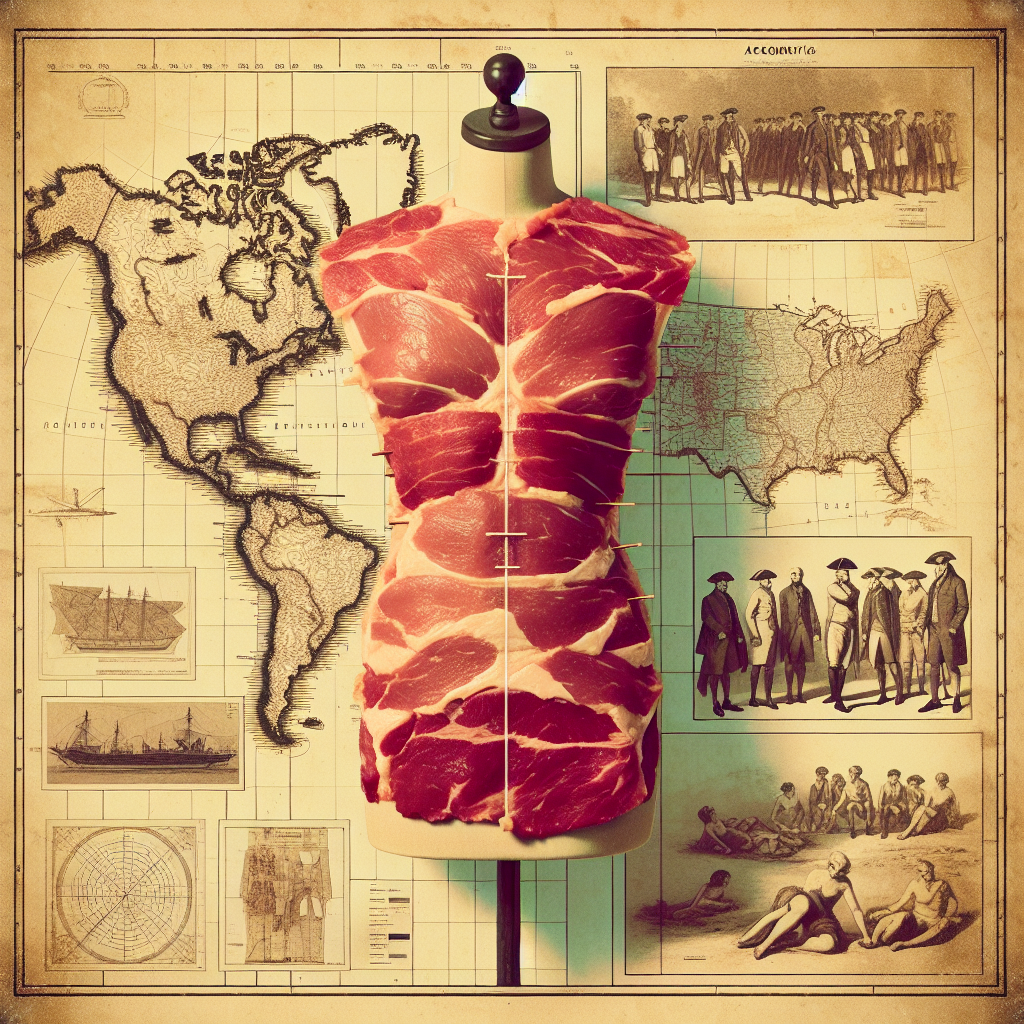

The Meat Dress That Made History
In a world where fashion statements often push the boundaries of creativity, Lady Gaga's meat dress at the 2010 MTV Video Music Awards was a cut above the rest. On September 12, 2010, at the Nokia Theatre in Los Angeles, Lady Gaga walked the red carpet wearing a dress made entirely of raw beef. Designed by Franc Fernandez and styled by Nicola Formichetti, the dress was a bold statement that left audiences and critics alike in shock and awe. But why did Gaga choose to wear such an unconventional outfit? The answer lies in her desire to make a statement about human rights and the "Don't Ask, Don't Tell" policy affecting LGBTQ+ individuals in the military.
Lady Gaga has always been known for her avant-garde fashion choices and her willingness to use her platform to address social issues. The meat dress was no exception. By wearing raw meat, she intended to highlight the absurdity of judging people based on superficial aspects, such as their appearance or identity. Gaga explained that if people didn't stand up for their rights, they would have as much value as the meat on their bones. It was a provocative way to draw attention to the discrimination faced by LGBTQ+ individuals, particularly in the military, where the "Don't Ask, Don't Tell" policy forced them to hide their true selves.
The dress sparked a whirlwind of reactions. Animal rights activists, including PETA, were quick to criticize Gaga for what they saw as a wasteful and disrespectful use of animal products. They argued that the dress was offensive and sent the wrong message about the treatment of animals. On the other hand, many fashion enthusiasts and fans praised Gaga for her daring and innovative approach to making a statement. The dress became an iconic moment in pop culture, symbolizing the intersection of fashion, art, and activism.
While the meat dress was undeniably controversial, it succeeded in generating conversation and drawing attention to the issues Gaga wanted to highlight. It challenged people to think about the ways in which society values individuals and the importance of standing up for one's rights. The dress also raised questions about the role of fashion in activism and whether such bold statements are effective in bringing about change.
For some, the meat dress was a powerful reminder of the lengths to which artists will go to make their voices heard. It demonstrated the potential of fashion as a medium for social commentary and the impact that a single outfit can have on public discourse. For others, it was a step too far, overshadowing the message with its shock value and raising ethical concerns about the use of animal products in art.
Despite the differing opinions, the meat dress remains a memorable moment in the history of fashion and activism. It serves as a testament to Lady Gaga's commitment to using her platform to advocate for change and challenge societal norms. The dress may have been made of raw beef, but its impact was anything but raw; it was a well-cooked statement that continues to resonate with audiences today.
In the years since the meat dress, Lady Gaga has continued to be a vocal advocate for LGBTQ+ rights and other social issues. Her willingness to take risks and push boundaries has solidified her status as a trailblazer in both the music and fashion industries. The meat dress was just one chapter in her ongoing journey to use her art for a greater purpose, and it remains a symbol of her dedication to making a difference in the world.