
Marshall Howard Saville: The Explorer of Ancient Civilizations
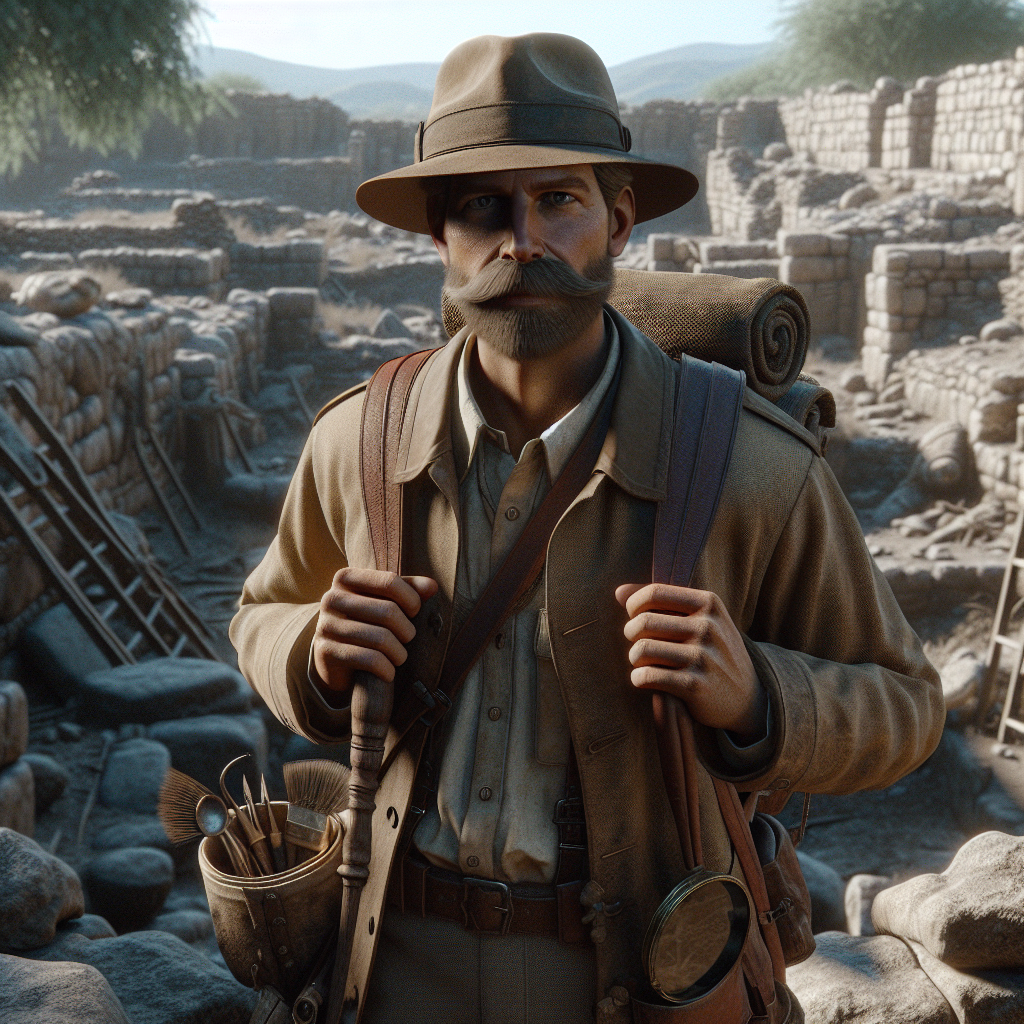
Marshall Howard Saville was a man who could have easily been mistaken for Indiana Jones, minus the whip and fedora. Born in 1867, Saville was an American archaeologist and ethnologist who dedicated his life to uncovering the mysteries of ancient civilizations. His work primarily took place in the late 19th and early 20th centuries, a time when archaeology was still in its infancy. Saville's adventures led him to the heart of Mesoamerica, where he conducted extensive research and excavations in Mexico and Central America. His passion for understanding the past was driven by a desire to piece together the stories of civilizations that had long been forgotten.
Saville's contributions to archaeology were significant. He was particularly known for his work with the American Museum of Natural History, where he served as the first curator of Mexican and Central American archaeology. His expeditions were not just about digging up artifacts; they were about understanding the cultures and people who created them. Saville's approach was holistic, combining the study of artifacts with ethnographic research to provide a more comprehensive picture of ancient societies. This was a progressive approach at the time, as many archaeologists focused solely on the physical remnants of the past.
Despite his achievements, Saville's work was not without controversy. Some critics argue that his methods were reflective of the colonial mindset prevalent during his time. The extraction of artifacts from their native lands and their display in Western museums is a practice that has been increasingly scrutinized. Many believe that these artifacts should remain in or be returned to their countries of origin, where they hold cultural and historical significance. This debate continues today, as the field of archaeology grapples with its colonial past and seeks to find a more ethical path forward.
Saville's legacy is a complex one. On one hand, he made invaluable contributions to our understanding of ancient Mesoamerican cultures. His work laid the groundwork for future archaeologists and helped to establish archaeology as a scientific discipline. On the other hand, his methods and the broader implications of his work raise important questions about the ethics of archaeology and the treatment of cultural heritage. These are questions that the field continues to wrestle with, as it seeks to balance the pursuit of knowledge with respect for the cultures it studies.
In examining Saville's life and work, it's important to consider the context in which he operated. The late 19th and early 20th centuries were a time of great exploration and discovery, but also of imperialism and cultural appropriation. Saville was a product of his time, and his work reflects both the strengths and the shortcomings of that era. As we look back on his contributions, we must also look forward, considering how we can learn from the past to create a more inclusive and respectful future for archaeology.
Marshall Howard Saville's story is a reminder of the complexities of history and the importance of examining it from multiple perspectives. His work opened doors to new understandings of ancient civilizations, but it also serves as a cautionary tale about the responsibilities that come with studying the past. As we continue to explore the mysteries of history, we must do so with an awareness of the impact our actions have on the cultures we seek to understand.