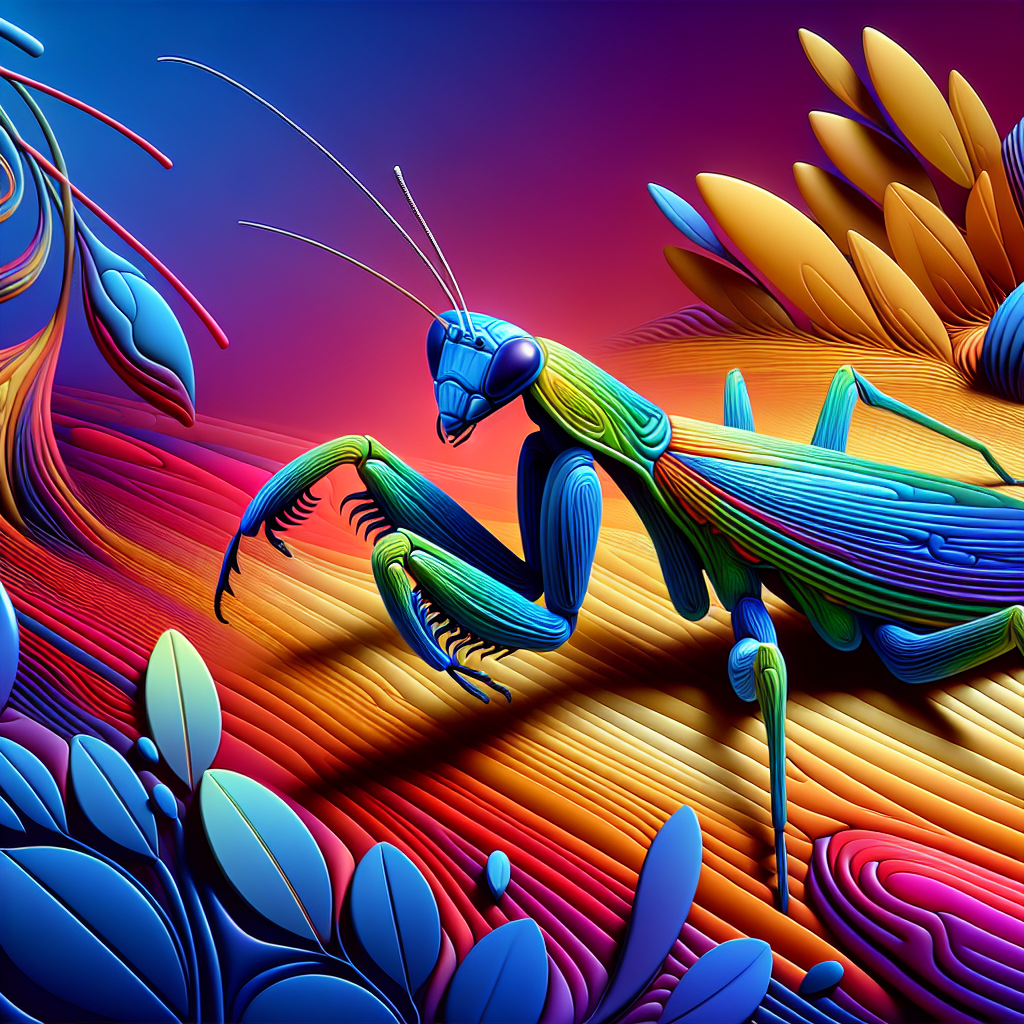

The Mantinae Mystery: A Dive into the World of Praying Mantises
Imagine a world where the female often eats her mate after a romantic encounter. Welcome to the fascinating realm of Mantinae, a subfamily of the praying mantis. These intriguing insects, known for their unique predatory skills and peculiar mating habits, have captured the curiosity of scientists and nature enthusiasts alike. Found across various continents, including Africa, Asia, and Europe, these mantises have been around for millions of years, evolving into the efficient hunters we see today. Their story is not just about survival but also about the complex dance of life and death that plays out in the natural world.
Praying mantises are named for their prominent front legs, which are bent and held together at an angle that suggests the position of prayer. However, their serene appearance is deceptive. These insects are formidable predators, using their lightning-fast reflexes to snatch prey with their spiked forelegs. This predatory prowess is a key reason why they have thrived in diverse environments, from tropical rainforests to temperate gardens. Their diet mainly consists of other insects, but larger species have been known to catch small birds and reptiles, showcasing their adaptability and resourcefulness.
The mating rituals of mantises are as captivating as their hunting techniques. The infamous act of sexual cannibalism, where the female consumes the male after or during mating, has been a subject of much debate and study. While it may seem brutal, this behavior is thought to provide nutritional benefits to the female, enhancing her reproductive success. It also serves as a stark reminder of the harsh realities of nature, where survival often comes at a cost. However, not all encounters end in cannibalism, and some males manage to escape unscathed, adding an element of unpredictability to their courtship.
Despite their fearsome reputation, mantises play a crucial role in maintaining ecological balance. As natural pest controllers, they help manage populations of insects that could otherwise become problematic. This makes them valuable allies in agriculture, where they can reduce the need for chemical pesticides. Their presence in gardens and farms is often welcomed by those who understand their ecological importance. However, the introduction of non-native mantis species in some regions has raised concerns about their impact on local ecosystems, highlighting the need for careful management and conservation efforts.
The fascination with mantises extends beyond their biological significance. They have been featured in various cultural and religious contexts, symbolizing everything from patience and mindfulness to aggression and power. In some cultures, they are considered good luck, while in others, they are seen as omens. This duality reflects the complex nature of these creatures, which can inspire both awe and fear. Their unique appearance and behaviors have also made them popular subjects in art and literature, further cementing their place in human imagination.
Understanding the world of Mantinae requires an appreciation for the delicate balance of nature. While their actions may seem harsh to us, they are part of a larger ecological system where each species plays a role. By studying mantises, scientists gain insights into evolutionary biology, predator-prey dynamics, and the intricate web of life that sustains our planet. For those who take the time to observe them, mantises offer a glimpse into the wonders of the natural world, reminding us of the beauty and complexity that exists beyond our everyday lives.
In a world where biodiversity is increasingly threatened, the story of the praying mantis serves as a reminder of the importance of preserving our natural heritage. By protecting these remarkable insects and their habitats, we ensure that future generations can continue to marvel at their extraordinary lives. Whether you're a seasoned entomologist or a curious observer, the mantis invites you to look closer and appreciate the intricate dance of life that unfolds in the world around us.