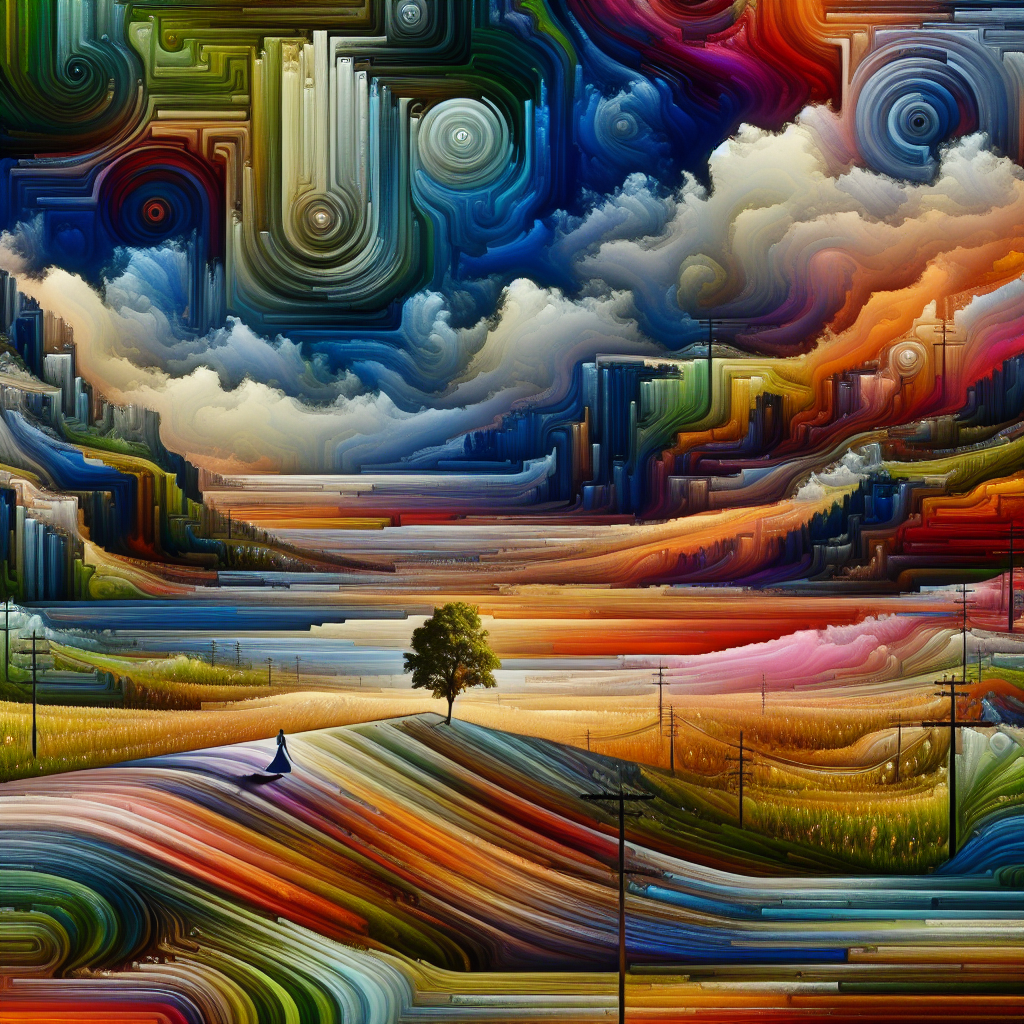

The world of Indian art truly comes alive through the colors and strokes of Manmohan Bawa, a name synonymous with modern artistic expression. Born in the districts of Gurdaspur, Punjab, in 1941, Bawa not only transformed the perceptions of art in the subcontinent but also added a unique dimension of vibrancy that screamed culture and tradition. Growing up in a region laden with a rich historical backdrop, he infused his work with an intense connection to his roots while painting the modern ethos of India's rapidly evolving cultural landscape.
Manmohan Bawa's artistic journey didn't begin conventionally. He started his career at the Government College of Art in Chandigarh, where the seeds of his creative genius were firmly planted. But it was the freedom Bawa found post-education that really allowed him to shine. Traveling across Europe further broadened his horizon, simultaneously challenging and enriching his style. London, the mecca of diverse artistic expressions, was instrumental in shaping his character and art. Inspired by the confluence of tradition and modernity, Bawa developed a style that was distinctly his own — a mix of vivid colors, bold forms, and emotive themes.
In the art world, passion often reflects larger societal themes, and Bawa was no different. His works stand as a testament to his dedication to depicting life’s vibrant flux. Depictions of Punjab's lush landscapes, robust festivals, and the pure celebration of life filled his canvases, evoking a sensory feast for art lovers. His legendary use of bold colors — bright reds, electric blues, and sunny yellows — created a mesmerizing universe, often revolving around the rural narratives of North India. Bawa's subjects, often dancers frozen mid-step, musicians lost in melody, or women clad in traditional attire, dominated his pieces, each telling tales of joy, intricacy, and cultural legacy.
His empathetic approach made sure that his art resonated with audiences far beyond the traditional art circuit. To conservative purists, his departure from mainstream themes was provocative. However, others viewed his rebellion against traditionalism as inspirational. It embodied the liberal dream of a world where boundaries are blurred, and cultural exchange breathes new life into old narratives. Others feared it might dilute the classical elements of traditional Indian artistry. But it is precisely this push and pull that makes Bawa's work enduringly relevant. His art urges viewers to question how much tradition they can maintain while still embracing change, reflecting ongoing global discussions about modernity and identity.
Gen Z, characterized by their adaptive nature and penchant for challenging the status quo, finds a kindred spirit in Manmohan Bawa. In an era where societal norms are constantly questioned and re-evaluated, his work offers both comfort and challenge. It invites a meditation on how culture evolves, encouraging a dialogue that transcends generations and borders. The vibrancy of his paintings resonates with a generation that lives in a world of high-speed connectivity, where diversity is not just welcomed, but celebrated.
While Gen Z might find themselves drawn to Bawa's hues, it's essential to consider the deeply emotional roots of his work. Stemming from a post-partition backdrop, his pieces often reflect the sentiments of displacement, identity crises, and the quest for belonging. His landscapes, though vibrant, often carry a subtle tinge of nostalgia and longing. This duality presents an allegory for the modern young adult's journey - a dance between embracing globally shared digital cultures while yearning for deeper personal, cultural roots.
However, Bawa's art does not just dwell in struggle. It also emphasizes resilience and brilliant beauty, which is profoundly hopeful. His characters, often depicted in moments of sheer joy and introspection, symbolize the human spirit’s tenacity. This hopeful projection is just as significant today, reminding youth of their potential and capacity for growth despite societal challenges.
Bawa’s commitment to capturing the essence of humanity set against the backdrop of cultural flux gives art lovers much to reflect upon. He communicates that understanding one's cultural lineage provides a solid foundation to proactively engage with contemporary realities. As global citizens, recognizing the dialogue inherent in one's own culture enables a more profound interaction with others.
In a world that continues to wrestle with issues of identity and globalization, the work of Manmohan Bawa becomes increasingly relevant. His paintings do more than capture a moment in time; they open up conversations about who we are and where we come from. For those navigating the nuances between old and new, familiar and foreign, Bawa’s dynamic storytelling through art offers both insight and inspiration.