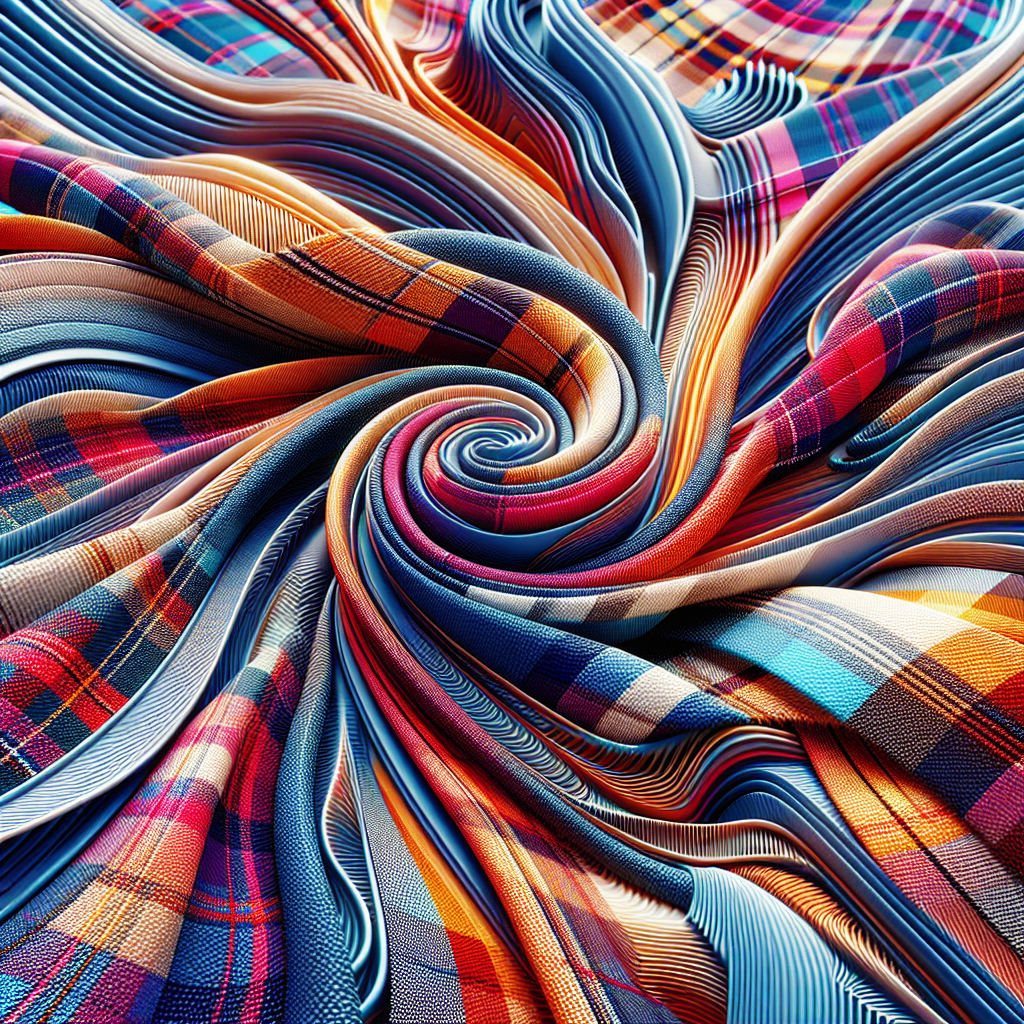

Picture this: a cloth so legendary that it could very well star in its own epic movie about defeating harsh elements and looking cool while doing it. Enter Mackinaw cloth, a fabric that checks off the boxes for both ruggedness and history. Originally made popular by 19th-century lumberjacks in the cold and unforgiving forests of North America, Mackinaw cloth is a wool material known for its durability, warmth, and often, plaid designs.
The roots of Mackinaw cloth trace back to the necessity of the loggers, soldiers, and adventurers who ventured into the wild north, needing something more than just a thin layer to shield them from bitter winds and ruthless snowstorms. Its name is derived from Fort Mackinac, a strategic military point during the War of 1812. Soldiers needed protective clothing during their wilderness campaigns, and they found the answer in this sturdy, woven fabric.
Fast forward to fashion influencers and stylists today who, even with the advancement of technology in textiles, still find Mackinaw appealing due to its authenticity and rugged elegance. Much like denim’s transformation from workwear to casual staple, Mackinaw cloth finds a place in not just utility, but also style. However, it’s important to remember that it was the indigenous peoples who initially used woven wool and similar textiles, highlighting the Native American influence that often gets overshadowed by Eurocentric historical accounts.
In recent times, environmental sustainability intersects sharply with fashion. Mackinaw cloth represents one way to combat fast fashion because wool is a natural fiber and biodegradable, aligning with eco-friendly fashion initiatives. This is especially crucial to the conscientious Gen Z shoppers who are increasingly concerned with reducing their carbon footprint. Yet, critiques arise on the use of animal products like wool, raising ethical concerns about animal welfare and prompting dialogue about finding balance in consumption choices.
There’s another facet to Mackinaw worth reflecting on: its role in the cultural tapestry of Americana. Much like the cowboy hat or Levi’s jeans, it symbolizes a specific time and place in history, interwoven with ideals of hard work and blue-collar grit. This Americana narrative resonates differently across various demographics, where some might embrace it while others critique it for romanticizing a past that overlooked injustices faced by many marginalized communities.
Moreover, the evolving narrative around gender has also opened discussions about styles traditionally seen as male-dominated, like the Mackinaw jacket, becoming more inclusive. Modern interpretations of these garments bridge the gap between history and contemporary fashion by highlighting diversity in design.
Indeed, Mackinaw cloth encapsulates a rich blend of functionality and legacy. Whether you're drawn to it for its insulating properties or its blend of nostalgia and style, it’s a fabric that opens discussions on history, sustainability, fashion ethics, and cultural narratives. Each weave in the fabric seems to hold a story, waiting to be unearthed and reinterpreted by a new generation.
As we navigate through an era punctuated by both technological advancement and a yearning for authenticity, revisiting materials like Mackinaw cloth could offer insights into sustainable options that don’t compromise on durability or style. Its resilience serves both a literal and metaphorical function, reminding us that what’s long-lasting and genuine often stems from materials and designs deeply rooted in the earth and history.
Mackinaw cloth, in its unassuming yet robust presence, invites us to reflect, question, and appreciate the ways it weaves through the fabric of time, shaping not just fashions, but also cultural and environmental conversations.