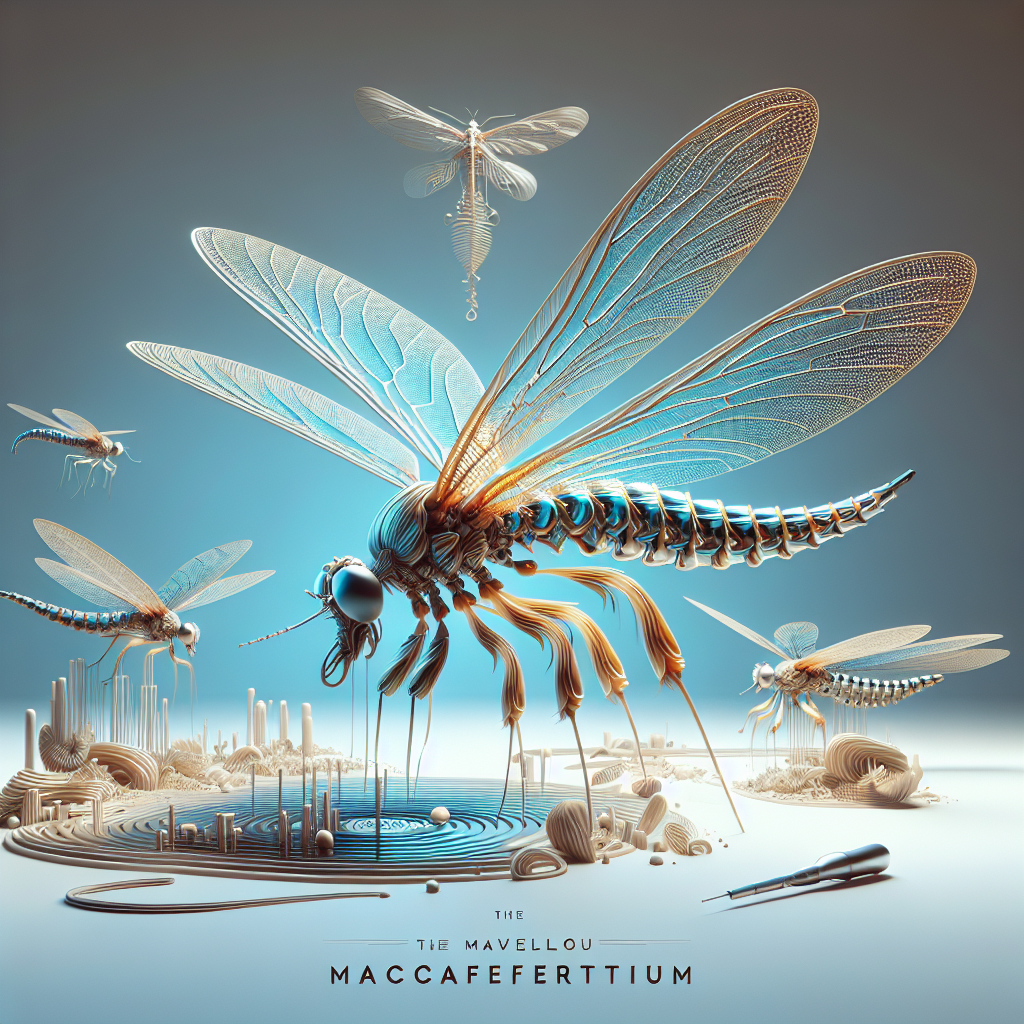

Imagine you are in the great outdoors, knee-deep in a bubbling stream, and there you find an army of tiny creatures that look like something out of a science fiction novel. These are Maccaffertium, a genus of mayflies. They have been around a lot longer than our modern cities and are crucial to our ecosystems. Dating back millions of years, these insects hold a special place in our natural world. Found in many freshwater bodies across North America, Maccaffertium mayflies are not just an essential part of food chains but also indicators of environmental health, making them invaluable to both scientists and nature lovers alike.
Now picture this: despite their importance, Maccaffertium mayflies often go unnoticed by the general public. Yet ask any angler, and they'll sing their praise. These small, humble creatures spend the majority of their lives in water as nymphs before taking on a brief but exhilarating adventure in the air as adults. Their aerial dance lasts only a day or so before they die, leaving behind the next generation. During that short burst of life, they are a critical food source for fish and birds, hence their significance to anglers hoping for a good catch.
Beyond their immediate role in food webs, Maccaffertium mayflies are unsung environmental warriors. Freshwater biologists frequently treat them as bioindicators to gauge the health of river systems. Because they are extremely sensitive to pollution, their presence—or absence—speaks volumes about water quality. If their numbers drop, it’s often a sign that something is amiss. With climate change altering ecosystems worldwide, monitoring these small creatures can reveal broader ecological shifts that require our urgent attention.
Eco-friendly actions and conservation are critical in maintaining Maccaffertium populations, but like every good biologist knows, nature rarely exists in black and white. Conservation involves striking a balance between human needs and environmental health. On one hand, we recognize the need to preserve the habitats vital to Maccaffertium species. However, industrial and urban expansion are undeniable facts of modern life, generating necessary resources and jobs. It's a tough nut to crack—one that requires informed decision-making, public awareness, and accountability.
Facing these challenges often involves bridging the gap between industry and nature. Many advocates argue for stricter regulations to ensure that industries limit their environmental footprint. In contrast, opponents may argue they fear that over-regulation could stifle economic growth and challenge livelihoods. This discussion is vital because the future of Maccaffertium and, by extension, our ecosystems, depends on finding sustainable solutions that work for everyone.
Beyond legislation, technological innovations offer promising support. Advanced filtration methods and green technology present opportunities for ensuring cleaner waterways. These solutions do not merely rest on government shoulders; they require grassroots efforts and the passionate energy Gen Z is known for in their fight for environmental issues. This generation has power, the capacity to bring about meaningful change on both local and global levels.
But where do we find these Maccaffertium? In streams and rivers, often thriving in seemingly untouched areas, surrounded by lush greenery and the sounds of trickling water. Spending time around them enriches not just scientific understanding but personal awareness of nature's vast wonders. These encounters can foster empathy and inspire sustainable living practices.
If we want to continue fishing by clear streams, hiking in thriving forests, and experiencing the humbling beauty of our natural world, we must not overlook the Maccaffertium. As nature’s silent helpers, they ask for little, yet offer so much. Advocating for them is not merely an act of kindness, but a necessary step for planetary health. The resilience and role of these modest insects remind us that every creature, no matter how small, is valuable in the ecosystem chain.
Whether you’re a scientist, nature enthusiast, or concerned citizen, paying attention to Maccaffertium is a step toward a more harmonious coexistence with nature. Let's champion their cause, bring their significance into the public eye, and ensure our efforts are not just ephemeral dances in the air but foundations for lasting change.