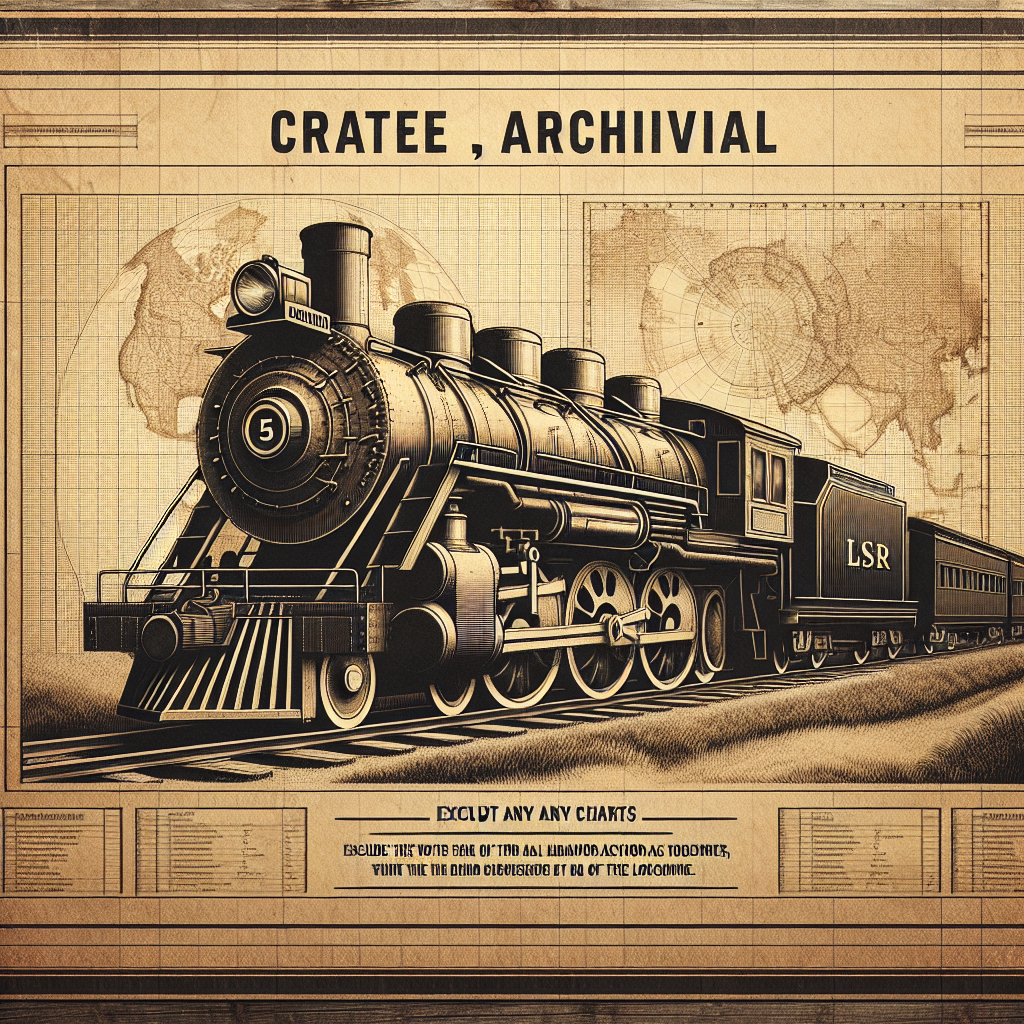

The roaring sound of steam once pierced through the English countryside, hauling carriages and dreams alike. The LSWR S15 class, designed by the illustrious Robert Urie, steamed onto the scene between 1920 and 1936, a period when railways defined mobility and were emblematic of progress. Holding strong to the values of the early 20th-century British railway enthusiasm, these locomotives were captivating engineering feats. Introduced primarily on the London and South Western Railway, these mighty entities have a formidable history that reflects both the industrial power of the era and a nostalgic push for connectivity, a spirit that resonates today in a world tilting back towards sustainable transport.
Built at a time when railways were the lifelines of Britain, the S15 was the sonic boom of its day. The class was designed for mixed traffic but became best known for hauling heavy freight and passenger trains across the challenging terrains in southern England. They represented a powerful blend of utility and muscular design, appreciated widely for their robust qualities. Robert Urie envisioned a workhorse that could handle the demanding routes with grace, and the S15 lived up to expectations.
The political climate of the era was one of rebuilding and advancement following the devastation of World War I, and the LSWR S15 was very much a part of this narrative. These locomotives were significant because they filled the void of reliable freight engines, but their legacy runs deeper. In a time of heightened awareness around sustainability and environmental consciousness, it feels apt to reflect on the steam engines that once were the backbone of efficient mass transport.
Today, the love for classic steam engines like the S15 persists, driven by nostalgia and an appreciation of engineering marvels. Many of the original locomotives were decommissioned and scrapped in the years following the Second World War. Yet, several have been preserved by dedicated railway societies, standing as monuments to a pivotal moment in industrial history. These preserved engines are tangible links to a past that was simultaneously simpler yet awe-inspiring in its grandeur and ambition.
It's worth considering the contrasting views on steam power now versus then, given our modern-day environmental challenges. Some enthusiasts see a romantic past when smoke billowing stacks crisscrossed the nation, while others critique the inefficiencies and pollution caused by coal-powered giants. It's a conversation that mirrors many debates today about technology and nostalgia. While we might yearn for aspects of the past, it's essential to contextualize them within contemporary ethics and global priorities.
The LSWR S15 class highlights the tug-of-war between the desire to preserve history and the need to advance eco-friendly technological solutions. For Generation Z, who must balance inheritance with innovation, this lesson is invaluable. The juxtaposition of steam power versus electric or solar shows us that progress doesn’t erase history—instead, it can build upon it. The engineers who first created the S15s were, in their day, pioneers crafting the future of transport. Lessons drawn from their ingenuity, resourcefulness, and vision continue to inspire us to think deeply about our transit systems today.
Education on historical transport ranges from scouring old documents rich with data to experiencing the revitalized steam railways in action. The latter serves an educational purpose, igniting a curiosity in our roots, and poses a practical lesson about resource sustainability. As the world searches for greener solutions, understanding the foundations built by the likes of the S15 can serve as a reminder of the importance of balancing nostalgia with responsibility.
To Generation Z, who perceive technological ecosystems as a birthright, the story of the LSWR S15 class can seem like an anachronism. But within this tale of a steam-powered behemoth exists a broader narrative on human progress, values, and transformation. It challenges us to think critically about where we come from, and where we’re headed. While the LSWR S15 may be a page from the past, the engineering lessons and cultural sentiments it evokes remain relevant, providing perspective as we stride forward in the world of high-speed trains and electric cars.
Engagement with this history prompts a question for us all: How do we honor the richness of our industrial legacy while paving the way for sustainable futures? The LSWR S15 class is more than a relic; it’s a reminder of the beauty and burden of progress. Much like the resolve of engineers in the early 20th century, we too face our epoch-defining challenges, with climate change as our foremost. Yet, just as the S15 tackled hefty climbs and complex duties, we too can engineer solutions that transcend eras by considering our journey through history.