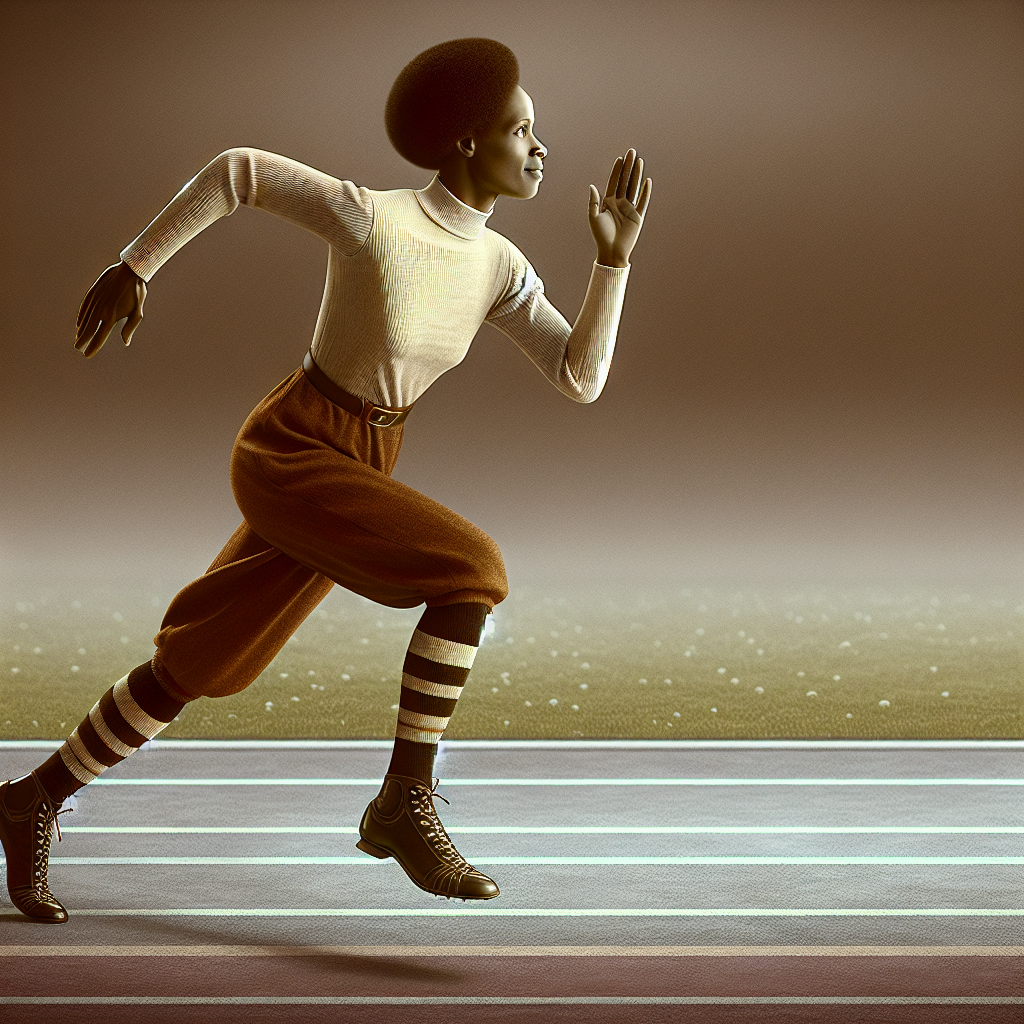

In the roaring '30s, a time when the world was flirting with the idea of women in sports, Louise Stokes Hunter boldly claimed her space. Who was she, you ask? Simply put, she was one of the first African American women to be selected for the U.S. Olympic team, making an indelible mark in history. Born in 1913 in Malden, Massachusetts, Louise was a trailblazing athlete thrust into the spotlight when she qualified for the 1932 Los Angeles Games. But her story isn't just about running tracks; it's about the hurdles she faced belonging to the marginalized communities of that era.
Louise's upbringing in a time of systemic racial discrimination paints a vivid picture of the world she had to leap against. Growing up, she found sanctuary in sports. Even then, it wasn't just about championships or medals. It represented freedom and a way to defy the constraints society placed on her. At a time when women, and particularly women of color, were continually cast into shadows, Louise emerged as a fierce force.
The road to the Olympics, however, was paved with both triumphs and frustrations for Louise. Qualifying for the 1932 Olympics was monumental. Yet, upon reaching her dream, she faced a harsh reality. Despite being on the track team, Louise didn't actually get to run in any event. Decisions marred by racial prejudices kept her sidelined. Still, her acceptance into the team wasn't just a mere statistic. It was a statement, a declaration that talents couldn't be ignored based solely on skin color.
Societal attitudes of that era, entrenched in sexism and racism, denied her the honor of showcasing her skills on the world stage. Even so, Louise continued to participate in competitions, breaking barriers and setting an example. Her legacy, although less publicized, embodies the resilience and fight against oppressively narrow expectations.
For many younger folks, understanding the intricacies of racial and gender biases from nearly a century ago might feel alien. But Louise's journey underscores struggles that echo even today. We live in a world where equity in sports remains an ongoing battle — equal pay for female athletes, diversified representation in sports media, and acknowledgment of athletic achievements irrespective of race or gender.
Stories like Louise's are crucial in understanding the sports world's evolution. Back then, her exclusion spoke volumes about the unspoken rules and the gatekeeping that existed in American society. But comparing that to today's landscape isn't without its thorns. We've made leaps, no doubt, but many barriers lingering from the past still demand dismantling.
It's easy to dismiss early trailblazers as relics of a bygone era or figures from history books. Yet, the ripples of their legacies remain influential, shaping perspectives, legislation, and activism. While considering the progress made so far, it's vital to remember the legacy of individuals like Louise, who ran when society insisted she walk.
Louise later shifted into a role that would ensure future generations weren't hindered by her same obstacles. She became an advocate for women's and African-American rights in sports and actively pushed for inclusivity. Her post-athletics life speaks volumes about her character and determination, constantly advocating through mentorship and supporting local sporting events that opened doors she once faced closed.
For those skeptical about the impact Louise's story has today, consider this: every act of defiance against an unjust system creates cracks in a seemingly unbreakable barrier. Her journey urges reflection on contemporary struggles and how far we've truly come. It provides insight into the complex web of societal norms that once barred so many from their rightful places in sports.
In remembering Louise Stokes Hunter, we acknowledge not only the historical impact a single athlete had but also the broader socio-political implications that continue to affect sports and other sectors to this day. Her story isn't just about past achievements; it's about ongoing dialogues around race, gender, and opportunity. It's about the silent fighters who, just like Louise, pave the way for a more inclusive future. So, as we celebrate recent accomplishments in the world of sports, let's not forget Louise, whose footsteps created paths we now confidently walk on.