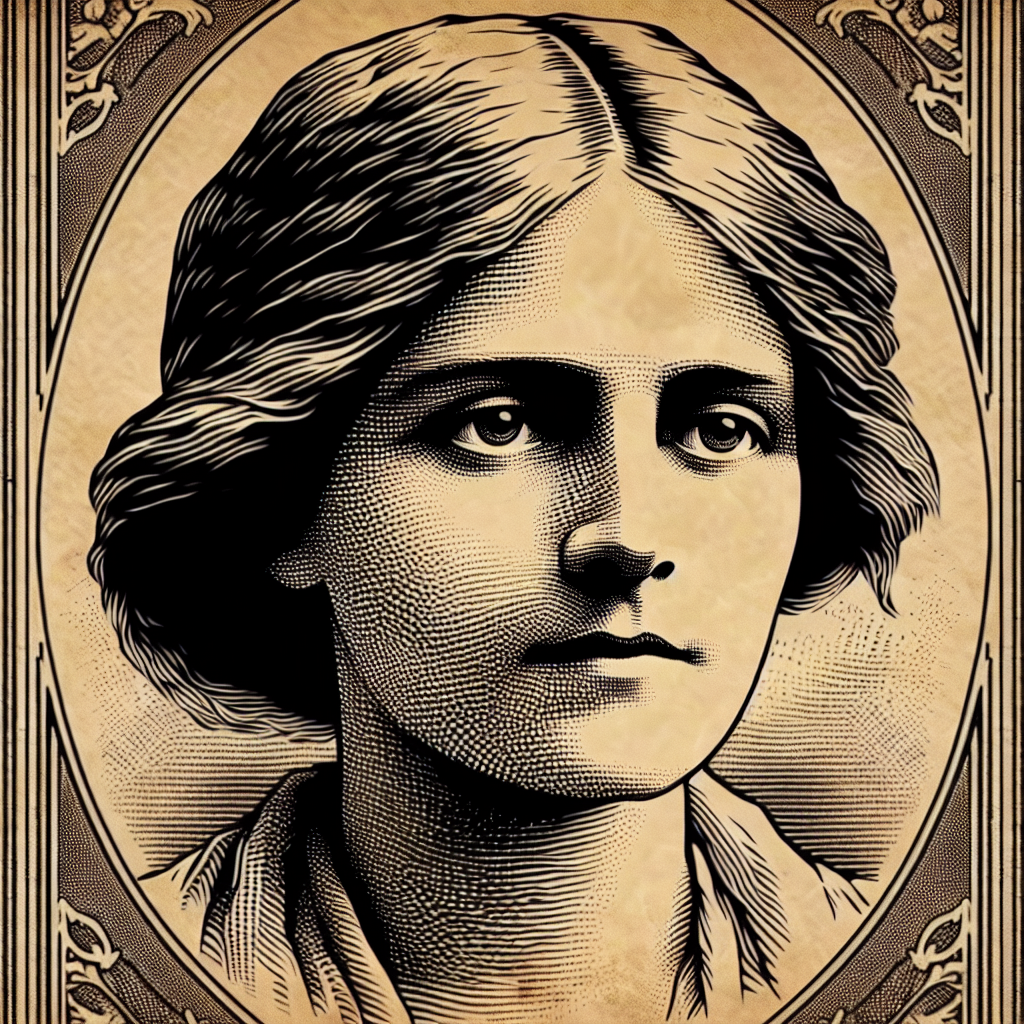

When it comes to blending civic duty and personal identity, Lori Otter's journey is akin to navigating a river that's equal parts rapid and serene. Lori Otter is best known for being the First Lady of Idaho from 2007 to 2019, during her husband Butch Otter's tenure as the state's governor. However, her impact and story stretch far beyond that title. She carved out her own role in public life, emphasizing education and the support of children. Lori grew up in Idaho and is a former Miss Idaho, which adds layers of complexity to her public persona. She's not just a political figure standing in the shadow of her husband's career, she’s an advocate in her own right.
Although her political landscape is more right-leaning compared to the Gen Z perspective, Lori Otter's work in education is something to admire. She's tackled issues like anti-bullying campaigns and rural school funding, which resonate across political lines. She’s also worked to improve literacy rates and promote healthy lifestyles among children. These straightforward, pragmatic approaches to education show that even amidst political differences, there are always shared goals. Education, after all, is a universal language.
From the moment she stepped into the political arena, Lori evoked an aura of elegance and nuanced understanding. Her grace, though sometimes deemed as politically conservative, still manages to capture attention in a world obsessed with modern-day snark and skepticism. In today's political climate, which can often turn vitriolic, her ability to maintain a sense of decorum adds a refreshing layer to the discourse.
However, this admiration doesn't negate the differences in ideology. Lori Otter’s policies are rooted in Republican traditions, which often prioritize a smaller government and personal accountability. For those in the Gen Z realm, these principles may sometimes feel out of sync with progressive aspirations focused on systemic change and enhanced governmental roles in societal issues. But it's important to interpret her policies through the lens of her commitment to her state's educational system. While there are diverse ways to approach solutions, having strong advocates for education is undeniably valuable.
On a broader scale, Lori's contributions to Idaho underscore the significance of addressing community-specific needs. Idaho, being one of the more rural states, faces unique challenges that many urbanized regions may not experience. Her focus on rural education shows adaptability and responsiveness to these particular needs, which is critical when considering educational equity across different geographic regions. It serves as a reminder that behind every political title, there are distinct individuals championing local stories that might otherwise go unnoticed.
Lori Otter also represents a bridge between two worlds—her own conservative ideology and the increasingly progressive world. She symbolizes the importance of discourse, of reaching across the political divide to find common ground. While we may not always agree on everything, Lori's emphasis on children's welfare is a topic that should resonate universally. Whether discussing education budgets or health programs, these concerns transcend political labels. They align with Gen Z’s priority on creating a healthier, more informed generation.
In an ever-polarizing world where disagreement often seems louder than dialogue, figures like Lori Otter serve as testaments to the power of persistent advocacy. She might not be a political figurehead expected to inspire the next climate change rally or healthcare march, but her steady push for educational growth and children's welfare shapes a cornerstone of future conversations. Lori's journey underscores that progress doesn't always have to scream to be heard.
Lori Otter's story also leaves room for contemplation about existing systems and their future. As Gen Z continues to challenge traditional norms, amplifying voices like Lori's in discussions about education and children's welfare is pivotal. It widens the lens through which we view political interactions and underscores the value in the diversity of thought. Her advocacy for issues like anti-bullying, despite differing from more centrally-discussed Gen Z causes, shows that there are multiple paths to the same core objectives.
Appreciating Lori Otter's contributions involves embracing both the shared values and the divergent perspectives she introduces. It serves as a gentle reminder that, amidst the dynamic politics of today, solid, consistent advocacy is a force to be reckoned with. Even if her methodology aligns more conservatively, her focus on the welfare of children in Idaho stands as an indisputable good, regardless of where you sit on the political spectrum.