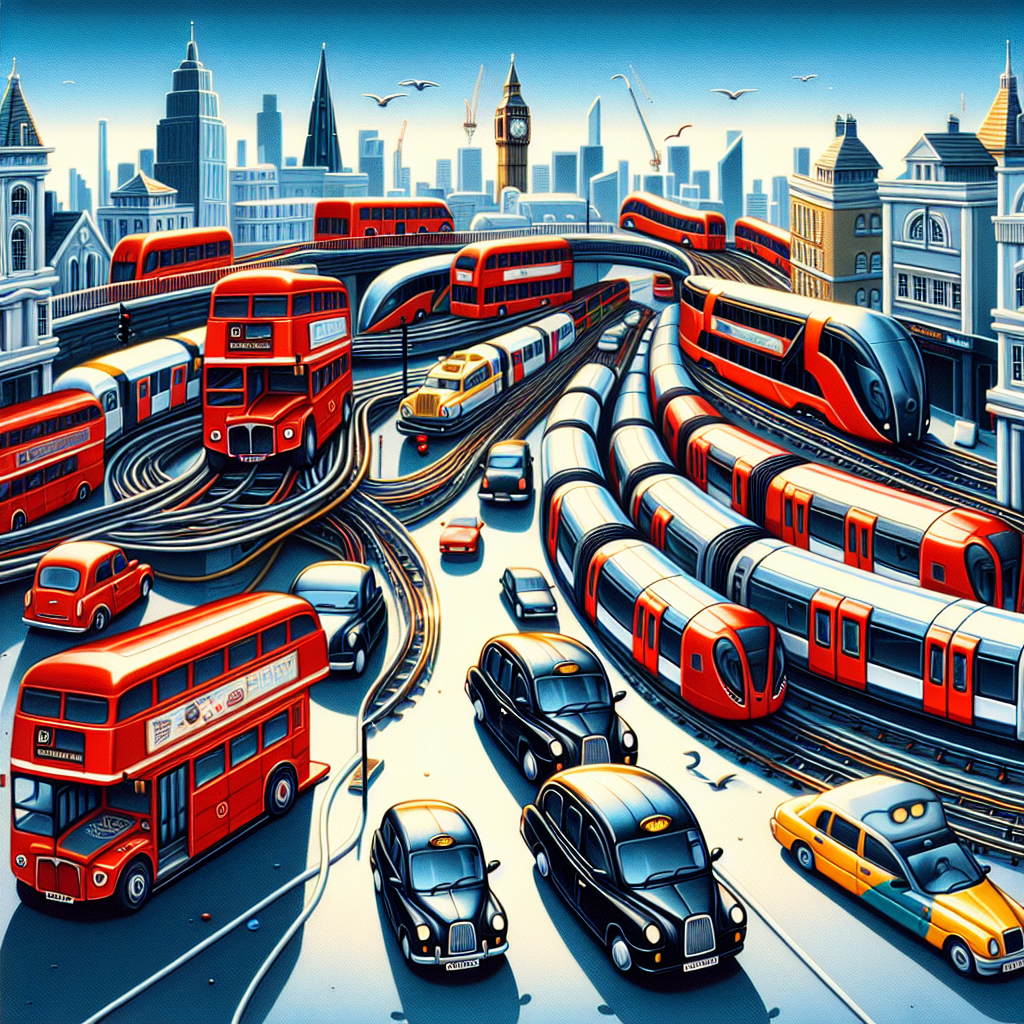

London Transport: Navigating the Heart of the City
Imagine a bustling city where red double-decker buses glide through the streets, iconic black cabs weave through traffic, and the rhythmic hum of the Underground echoes beneath your feet. This is London, a city where the London Transport brand has become synonymous with the pulse of urban life. Established in 1933, London Transport has been the backbone of the city's public transportation system, connecting millions of people to their destinations every day. From the historic streets of Westminster to the vibrant neighborhoods of Camden, London Transport is the lifeline that keeps the city moving.
London Transport, now part of Transport for London (TfL), encompasses a wide range of services, including buses, the Tube, trams, and even river services. The brand is not just about getting from point A to point B; it's about the experience of traveling through one of the world's most dynamic cities. The iconic roundel logo and the familiar "Mind the Gap" announcement are as much a part of London's identity as Big Ben or the Tower Bridge. For Londoners and tourists alike, navigating the city would be unimaginable without the reliable and efficient services provided by London Transport.
However, the system is not without its challenges. With a growing population and increasing demand for public transport, London Transport faces the constant pressure of maintaining and upgrading its infrastructure. The need for sustainable and environmentally friendly solutions is more pressing than ever. The introduction of electric buses and the expansion of cycling routes are steps in the right direction, but there is still much work to be done. Balancing the needs of a modern city with the preservation of its historic charm is a delicate task that requires careful planning and investment.
Critics argue that despite its iconic status, London Transport is plagued by issues such as overcrowding, delays, and high fares. For many commuters, the daily journey can be a source of frustration rather than convenience. The cost of travel in London is often cited as one of the highest in the world, making it a significant burden for those on lower incomes. The debate over fare pricing and accessibility is ongoing, with calls for more affordable options and better services for all residents.
On the other hand, supporters of London Transport highlight the complexity and scale of the system, which serves millions of passengers each day. They argue that maintaining such a vast network requires significant resources and that the benefits of a well-connected city outweigh the drawbacks. The introduction of contactless payment systems and real-time travel updates are examples of how London Transport is adapting to the needs of a tech-savvy generation. These innovations have made traveling more convenient and efficient, especially for younger commuters who rely heavily on digital solutions.
The future of London Transport is a topic of great interest and debate. As the city continues to grow and evolve, so too must its transportation system. The challenge lies in finding a balance between innovation and tradition, ensuring that London remains a city that is accessible and enjoyable for everyone. Whether it's through the expansion of the Tube network, the introduction of new technologies, or the promotion of sustainable travel options, the goal is to create a transport system that meets the needs of a diverse and dynamic population.
In the end, London Transport is more than just a means of getting around; it's a reflection of the city's character and resilience. It embodies the spirit of London, a city that is constantly on the move, always looking forward, and never standing still. As we look to the future, the role of London Transport will be crucial in shaping the city's identity and ensuring that it remains a vibrant and thriving metropolis for generations to come.