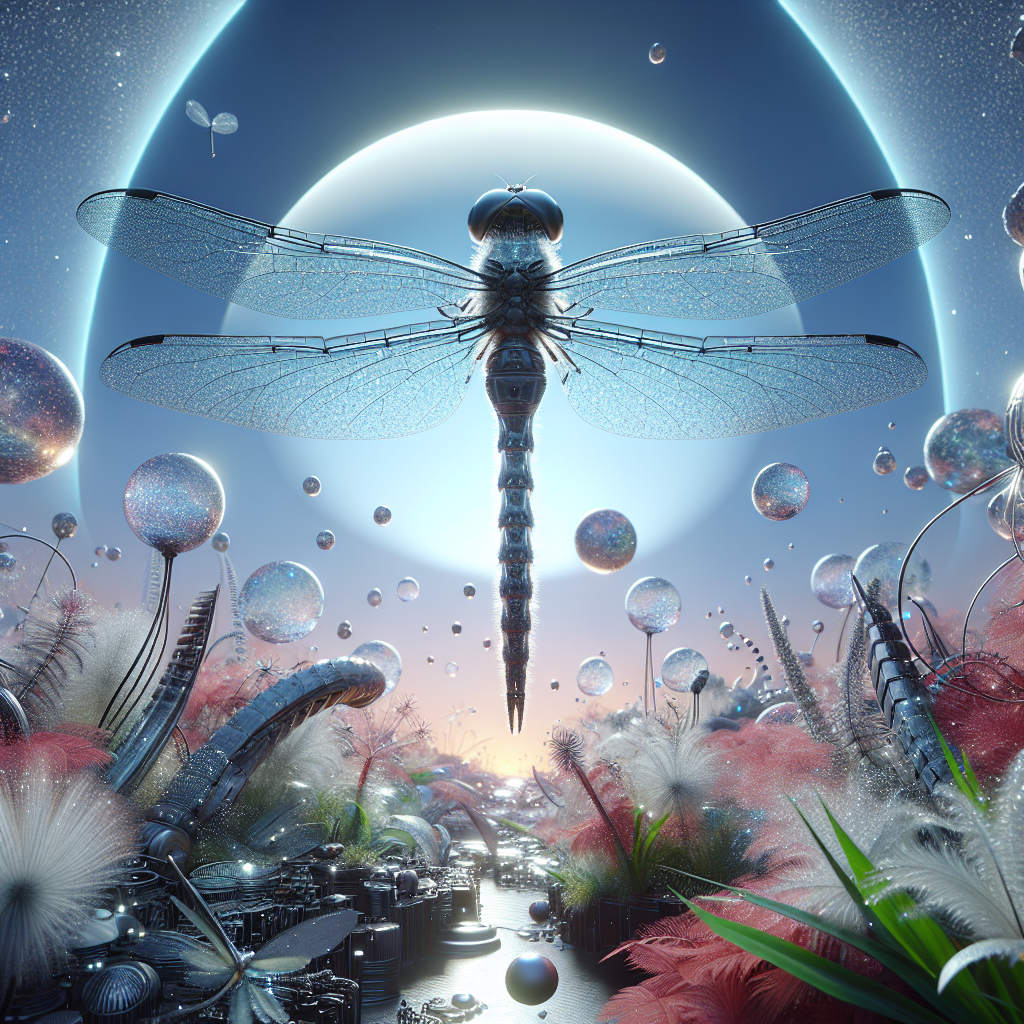

Imagine a world where your face is a star feature, speaking volumes without saying a word. That’s the life of the Leucorrhinia albifrons, better known as the white-faced dragonfly — a unique member of the Odonata order known for its striking white facial patches. Although dragonflies have been dazzling since the dawn of time, their role is swiftly changing, and that includes our pale-faced friend. Found in the boggy joints of Europe and parts of Asia, this dragonfly species tends to hatch around late spring and early summer when the sun throws its spotlight on freshwater habitats.
The Leucorrhinia albifrons isn't just another beautiful creature fluttering around in natural habitats; it has an important role in local ecosystems. As a carnivorous insect, its diet is a menu of mosquitos and small flies, helping to control populations of pesky pests. Its presence is nature's way of keeping a balance in the ecosystem, proving that even smallest creatures can have a large impact. The dragonfly's tactics of survival include living a brief, yet transformative, existence. Its early days as an aquatic larva are spent preparing for the eventual emergence as an adult leading a strikingly dynamic life through the skies.
From the stereotypical image of dragonflies effortlessly hovering over serene ponds, one might assume they lead simple lives, but the truth is far more exhilarating. With a lifespan that balances on the precipice of aquatic and aerial environments, the white-faced dragonfly’s life is far from dull. Camouflage, speed, and agility make these dragonflies expert ambushers — qualities that endear them to those of us intrigued by nature’s intricacies.
However, the very habitats that nurture Leucorrhinia albifrons are at risk. Climate change shows no favoritism; warmer temperatures and shifting precipitation patterns jeopardize their freshwater territories. And that’s not to mention the human-induced pressures such as pollution and land development that add to their vulnerability. Many argue that human development is paramount, yet this shouldn’t come at the cost of ecological degradation.
On the flip side, there are those invested in conservation, fighting for a balance between human needs and ecological preservation. Efforts are underway by various organizations to protect habitats critical for the survival of species like Leucorrhinia albifrons. Their work includes preserving wetlands, raising awareness, and implementing conservation legislation. Eco-friendly policies and education can go a long way in ensuring that these remarkable dragonflies continue to grace our landscapes.
The narrative here ties into broader environmental challenges faced worldwide that often pit development against conservation. There’s a mindfulness that needs cultivation, a recognition that what may seem like small creatures play foundational roles. Their often-overlooked contributions to biodiversity can have ripple effects on our own quality of life if neglected.
In many ways, the Leucorrhinia albifrons acts as a stand-in for the many small yet vital organisms whose existence is threatened by environmental neglect. In discussions with conservationists, there's an unwillingness to compromise on the sanctity of these spaces they inhabit. Equally, it's crucial to seek and find common ground with those who see economic development as critical. Society needs to envision a reality where urban progress can walk hand-in-hand with the protection of natural treasures.
Learning from these little dragonflies, change doesn’t come from merely soaring above challenges but from exerting a collective effort on the ground to ensure they can continue to thrive. More than just a pretty face, these creatures are part of the thrive versus survive debate born out of ecological policies. In a world of harsh realities, their silent yet stunning presence is a gentle reminder of what’s at stake.
Generational shifts in attitudes towards conservation mark a promising transition. Generation Z brings with it an observable zeal for championing climate and species protection. The plight of the Leucorrhinia albifrons symbolizes wider biodiversity losses that question the status quo. Engaging in dialogues about sustainability is more than political for many; it forms part of their identity.
Arguably, the strength in addressing issues like the vulnerability of the white-faced dragonfly lies in the diversity of voices. Collaborative efforts across fields and age groups can redefine our interaction with nature. Instead of lamenting environmental damages, there is an opportunity to advocate for change, paving pathways for co-existence.
Holding onto the relevance of species like Leucorrhinia albifrons amid a changing world demands determination and a refusal to see them as inconsequential. It invites us to see beyond borders, beyond self, fighting for a common future where dragonflies, humans, and all living beings share in the victory of life.