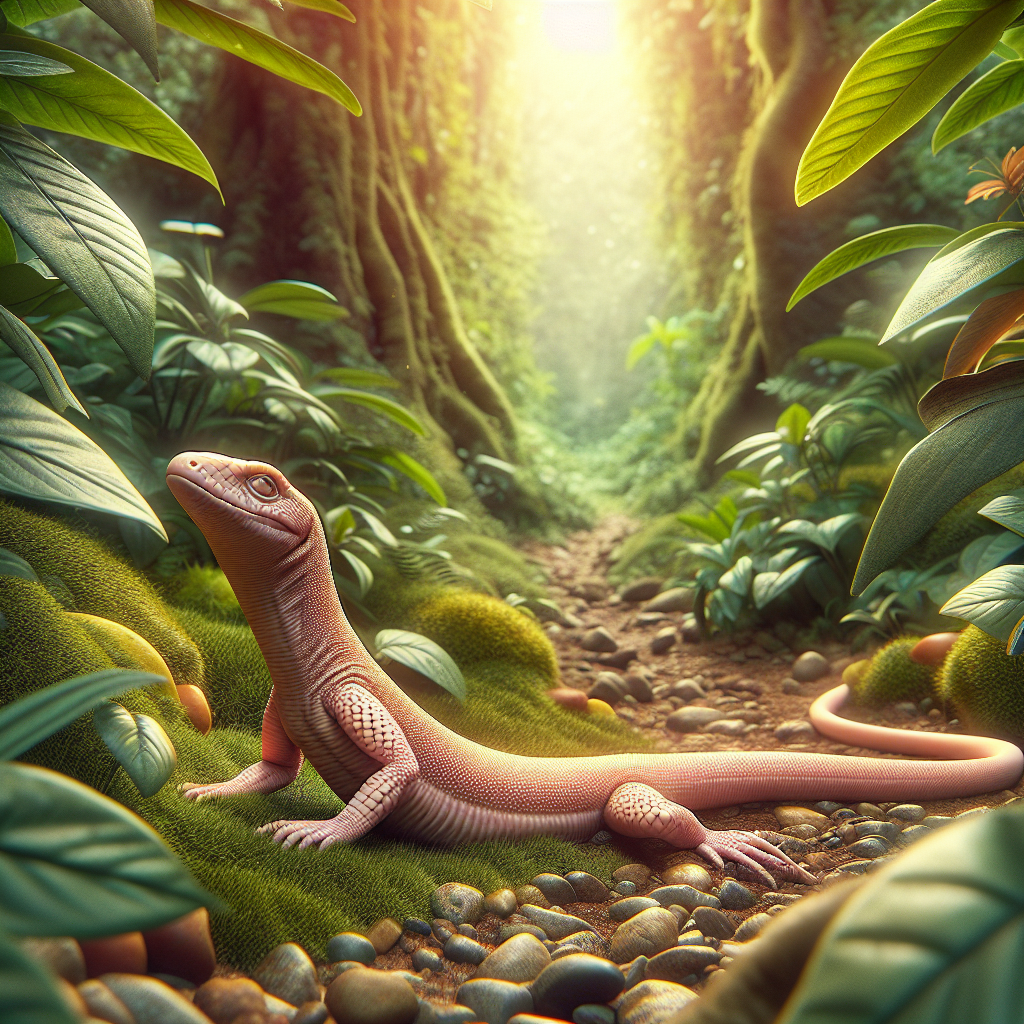

Imagine finding a creature that seems to defy nature, sliding silently across the ground like a snake, but actually being a lizard in disguise. This isn't a mythical beast—it's the legless lizard. While some might argue passionately about evolution or the mysteries of the animal kingdom, Gen Z might find more value in appreciating the quirks and twists that Mother Nature offers. Legless lizards, belonging to several different families, have been slithering across the globe for millions of years. Unlike snakes, they boast eyelids, external ear openings, and a non-forked tongue. These distinctions make them a great example of how life always surprises us.
Diversity within the legless lizard category is impressive. Ranging from the sandy deserts of Australia to temperate regions of Europe and North America, these lizards show adaptability concerning their habitats. Their presence prompts questions about how they evolved and what ecological niches they fill. Scientific findings suggest that their their physical form is an adaptation, where limbs became obsolete for survival, enhancing their mobility underground or through tight spaces. Their evolution highlights the wonders of adaptability, a trait humans often admire and wish to emulate when facing adversity.
Despite their beauty and adaptability, legless lizards face misunderstanding and neglect. People often react to them the way they would to a snake, fueled by fear. However, legless lizards are harmless and typically shy, preferring solitude to encounters. The conservation and study of these reptiles contribute to a better understanding of biodiversity and the effects of climate change. Protecting them ensures we preserve an intricate part of Earth's web of life.
It's crucial to recognize the importance of biodiversity, especially as we navigate an era marked by drastic environmental changes. Conservation isn't just about preserving species for aesthetic admiration but ensuring healthy ecosystems. Gen Z’s activist spirit can lead change in how conservation efforts prioritize and protect underrecognized species like the legless lizard.
Critics might argue that focusing on obscure species diverts resources from other pressing issues. Yet, acknowledging a wider range of life forms equips us with knowledge that can advance broader ecological understanding. Indeed, every species—even those without legs—plays a crucial role in nature's grand tapestry. Facing climate change head-on demands an inclusive approach, considering all forms of life and their potential contributions.
The appreciation of legless lizards requires a shift in perspective, moving from fear to fascination. Future scientists and conservationists can gain insights from the seemingly ordinary, like these limbless reptiles. Each lizard represents potential for discoveries about adaptation, survival, and the diversity of life on Earth. Educating ourselves about these creatures might even fuel curiosity and passion for broader environmental and scientific pursuits.
Legless lizards challenge conventional ideas about beauty and normalcy in the animal kingdom. They do not fit into a neat box but instead stand (or slither) as a testament to the varied pathways evolution can take. Just as society learns to embrace different identities and expressions, so too can legless lizards inspire an appreciation for diversity in all its forms. This empathy and understanding can bridge divides between human and nature, instilling a respect that transcends fear.
Part of Gen Z's unique power is the ability to use digital platforms to rally support and awareness for diverse causes. Emphasizing the importance of less-recognized creatures like the legless lizard can shift dialogue around conservation. Social media allows people to connect across geographies, sharing knowledge and resources to foster a more inclusive view of environmental stewardship. Our collective future relies on sharing the responsibility to protect all creatures, big, small, and legless—inspired by a respect for the complexities of life.