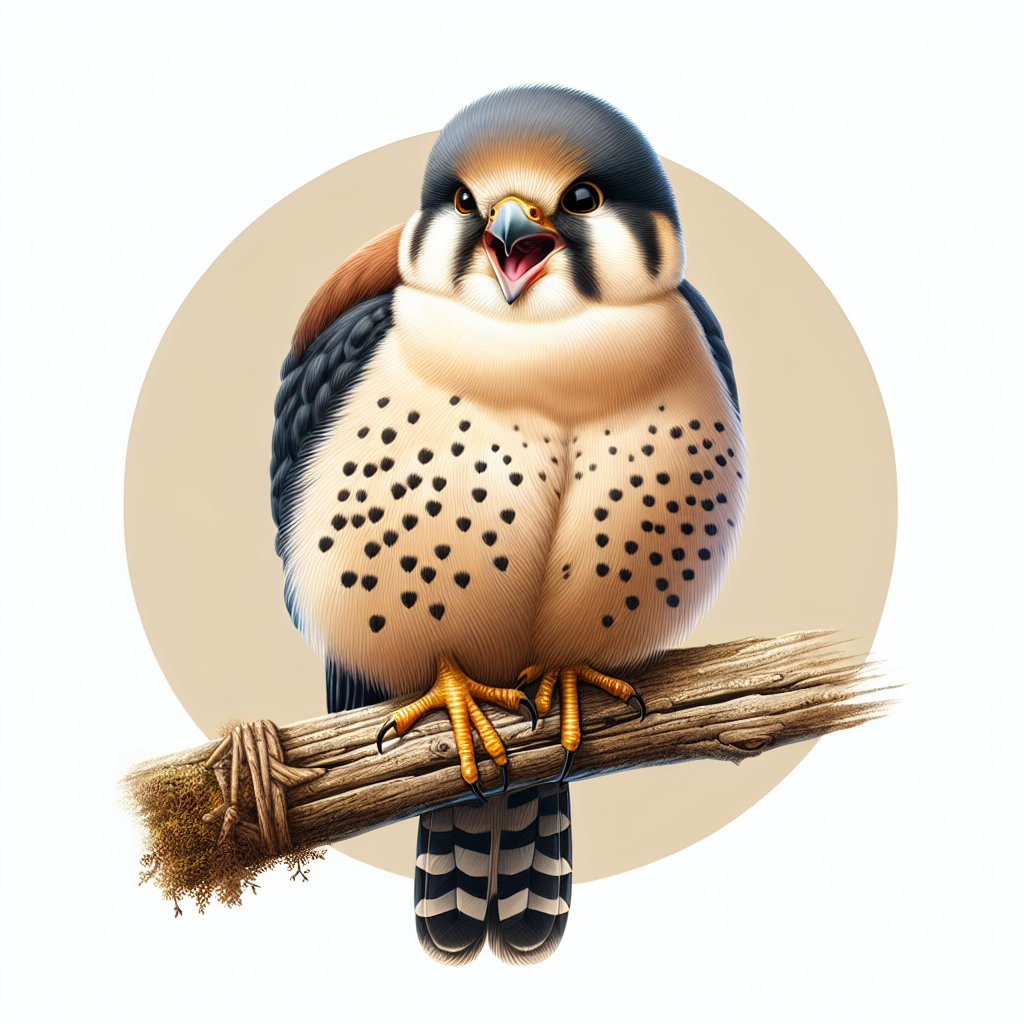

The Laughing Falcon: Nature's Chuckling Predator
Imagine a bird with a laugh so distinctive it echoes through the forests of Central and South America, leaving both prey and humans intrigued. This is the laughing falcon, a fascinating raptor known for its unique call that sounds eerily like human laughter. Found primarily in the tropical regions stretching from Mexico to Argentina, the laughing falcon is a master of its environment, thriving in forests, savannas, and even semi-open areas. Its name, derived from its peculiar vocalization, is a testament to the bird's ability to capture the attention of anyone within earshot. But why does this bird laugh, and what role does it play in its ecosystem?
The laughing falcon, or Herpetotheres cachinnans, is a medium-sized bird of prey that specializes in hunting snakes, including venomous ones. This dietary preference has earned it the nickname "snake hawk" among locals. Its ability to control snake populations is crucial for maintaining ecological balance, as it helps prevent the overpopulation of these reptiles, which can have adverse effects on other species and human activities. The falcon's laughter-like call is not just for show; it serves as a territorial marker, warning other birds to stay away from its hunting grounds.
While the laughing falcon's call is often a source of amusement for those who hear it, the bird itself is a serious predator. Its sharp talons and keen eyesight make it an efficient hunter, capable of spotting and capturing snakes with precision. This skill is particularly important in regions where venomous snakes pose a threat to both wildlife and humans. By keeping snake populations in check, the laughing falcon plays a vital role in protecting biodiversity and reducing the risk of snakebites in rural communities.
However, the laughing falcon's habitat is under threat from deforestation and human encroachment. As forests are cleared for agriculture and urban development, the falcon's hunting grounds are shrinking, making it increasingly difficult for the bird to find food and establish territories. This loss of habitat not only endangers the laughing falcon but also disrupts the delicate balance of the ecosystems it inhabits. Conservation efforts are needed to protect these areas and ensure the survival of this unique bird and the many species that depend on it.
Some people argue that development and agriculture are necessary for economic growth and food production, which are valid concerns. However, it's essential to find a balance between human needs and environmental preservation. Sustainable practices, such as agroforestry and responsible land management, can help mitigate the impact of development on wildlife habitats. By working together, communities, governments, and conservation organizations can create solutions that benefit both people and the environment.
The laughing falcon is more than just a bird with a funny call; it is a symbol of the intricate connections within nature. Its presence reminds us of the importance of preserving biodiversity and the roles different species play in maintaining ecological harmony. As we continue to face environmental challenges, the story of the laughing falcon serves as a reminder of the need for thoughtful conservation efforts and the value of protecting our planet's natural wonders.