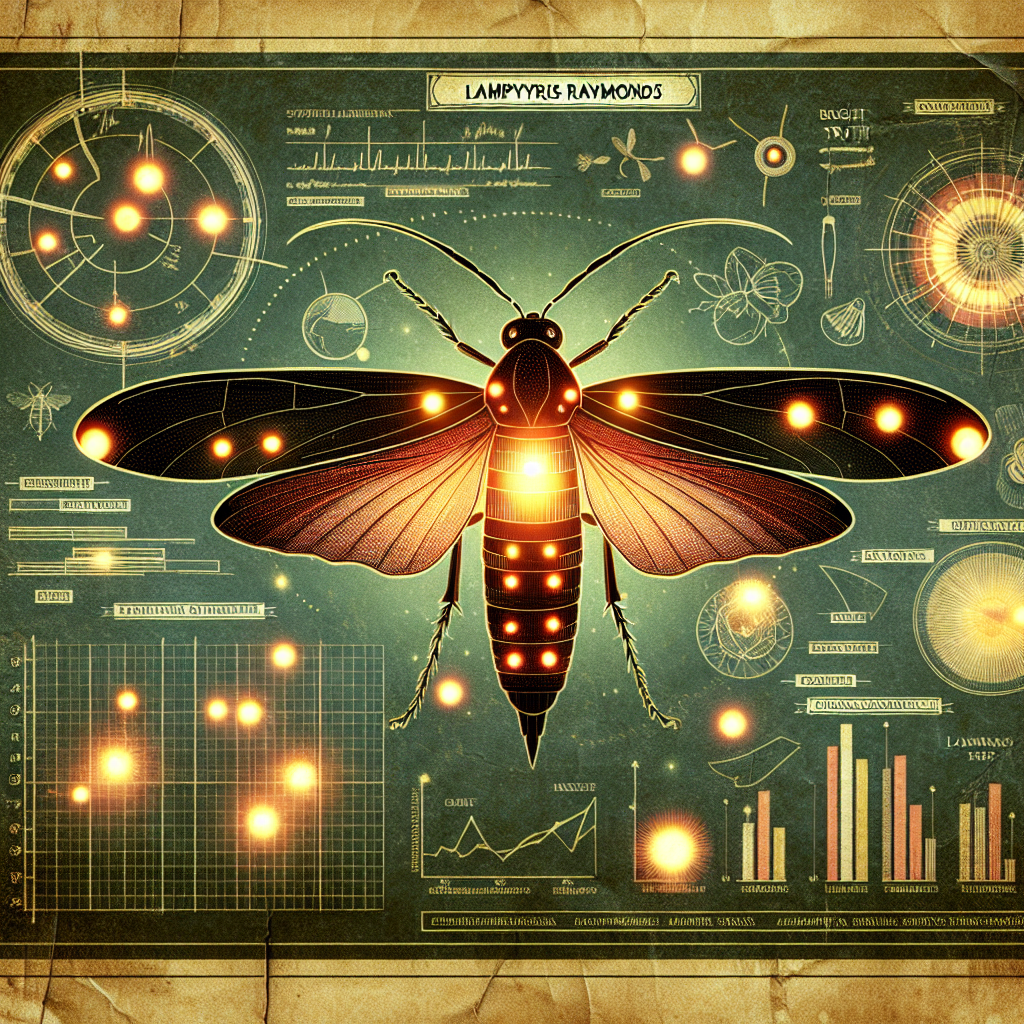

Nature is a rave, and Lampyris raymondi, the dazzling glow worm, is one of its coolest DJs. Who wouldn't love a creature that lights up silently, turning the forest into a star-studded disco? Discovered in the late 1800s, this little bioluminescent beetle continues to fascinate scientists and nature-lovers alike. Found predominantly in Southern France, its glow brings to life the undergrowth of forests, typically twinkling during the twilight hours of the warm season.
Lampyris raymondi belongs to the firefly family, yet it doesn’t fly. As insects go, it’s pretty chill, spending most of its life as a larva. These larvae have bioluminescent organs on their abdomens that emit a soft, greenish light. But why do they glow? At first glance, you might think it’s merely their way of saying, 'Look at me!' turns out, the light is more of a 'back off.' The glow serves as a warning to potential predators that they’re not tasty. It's a pretty lit defense mechanism. Science is still exploring all the intricacies of this glow. But what’s clear is they use bioluminescence to communicate—especially during mating season when a subtle glow can beckon a mate like the ultimate Tinder profile.
It’s hard not to be mesmerized by their light. They remind us that the wildlife can be magical if we look close enough. They also show us the importance of biodiversity. As environments change due to human impact—think light and air pollution, these little light producers are under threat. Their habitats are shrinking, and with that, their population numbers. Some might argue, 'So what if a bug diminishes?' but it's more than that. It’s about keeping a healthy balance in our ecosystems, allowing each organism to play its part. Just imagine the impact on decomposition cycles if all glow worms vanished. Lampyris raymondi is a small cog in the larger machine of the forest's ecosystem, definitely not one you’d want to lose. They are nature's reminder of subtle interactions, glowing softly among the leaves, challenging us to think about conservation on the little things' level. Protecting them means protecting a whole host of other plants and organisms they interact with.
Yet, conservation efforts can be complex. They often raise debates between economic development and environmental protection. It’s a tricky balance to strike. Especially when economic gains can provide immediate benefits, where the health of a rare beetle seems distant and vague. While some feel that developing land for the growing human population takes precedence, others believe that preserving biodiversity is a necessity for future generations. Gen Z, known for valuing environmental sustainability, will have significant roles in such discussions. Their engagement in environmental activism, and inclusive economies, brings a hopeful enthusiasm. We require a lot more of that kind of passion, the kind that glows brightly like Lampyris raymondi on a warm summer night.
As we become more aware of our impacts on the planet, the lives of insects like Lampyris raymondi can serve as an inspiring beacon. They should certainly remind us that even the smallest light can change the perception of the dark. By appreciating light-bringers of both the insect world and society, we nourish a greater understanding of our environment and our place in it. A journey through the forest illuminated by these glowing creatures brings an awareness that forces us to think responsibly about conserving nature’s wonders in their full, magical grandeur.