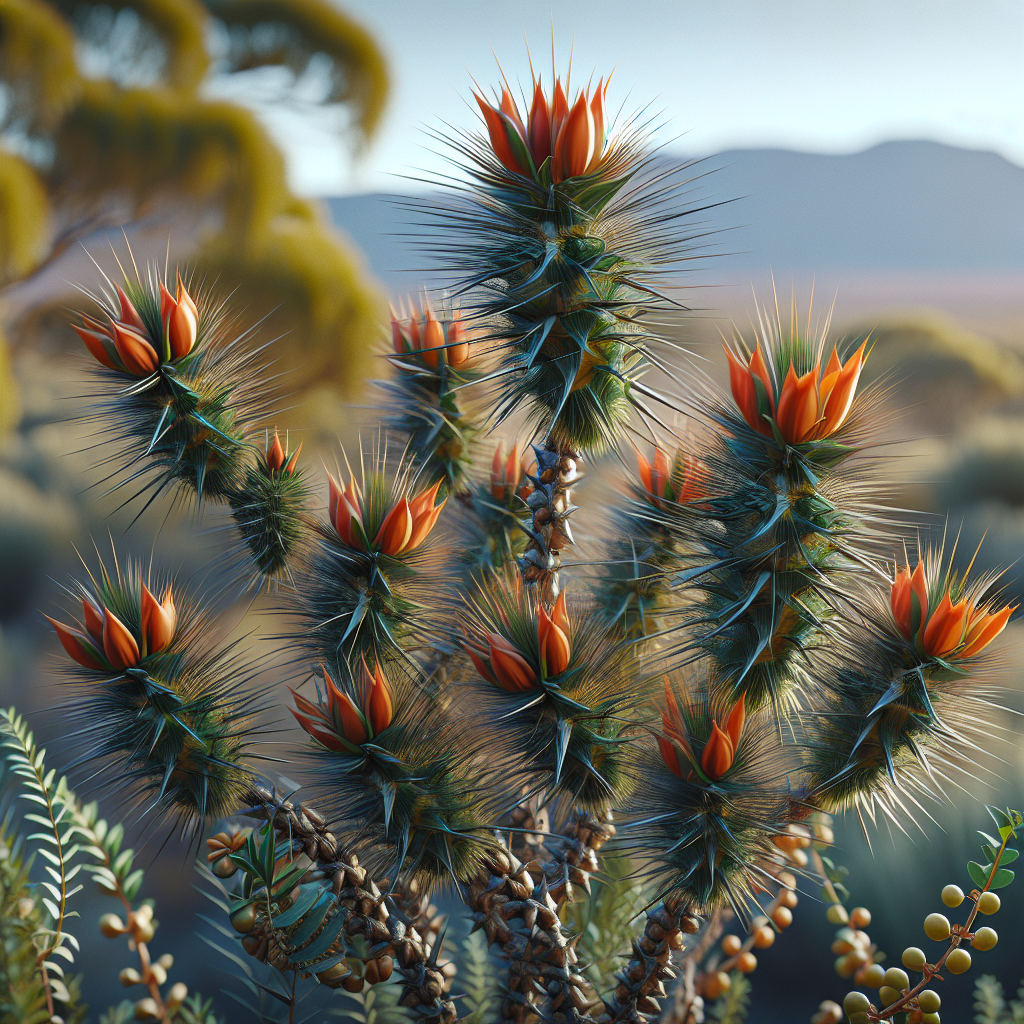

Imagine strolling through the sun-drenched landscapes of Western Australia and stumbling upon the vibrant and unusual plant known as Lambertia inermis, also whimsically referred to as the 'honey flower'. This intriguing member of the Proteaceae family has quite the story to tell, from its enchanting appearance to its essential role in the ecosystem. To put it simply, Lambertia inermis is a beautiful flowering shrub native to the southwestern regions of Australia. Its origins date back thousands of years when the indigenous people used its flowers for their sweetness. The name "inermis" translates to "unarmed,” reflecting its unique feature of lacking the spines present in some of its relatives. As debates on climate change unfold around the globe, there’s a growing need to understand these botanical wonders.
Lambertia inermis earns its nickname "honey flower" thanks to its distinct tubular flowers, which range in color from an arresting red to a creamy yellow. These blooms, which typically occur from August to December, are a magnet for pollinators such as bees and nectar-feeding birds. Their design is no accident; it's evolved to facilitate the feeding process of these creatures, thereby ensuring pollination. Each flowering season witnesses a new cycle in nature's interconnected web, highlighting the importance of every species within it. For those who champion ecological responsibility, preserving such a plant holds as much value as global carbon reduction efforts. Yet, some argue that conservation should prioritize species under immediate threat due to habitat destruction and climate changes.
Another fascinating aspect of Lambertia inermis is its adaptation to fire, which is a regular occurrence in its native environment. The plant has developed a resilience to withstand wildfires, with its seeds germinating in response to smoke, heat, and other post-fire conditions. Consequently, this fire-dependent regeneration is an excellent example of nature's resilience and resourcefulness. It also serves as a reminder of the significant role fire plays in maintaining some ecosystems, urging us to reconsider our often negative perception of wildfires. Meanwhile, critics of controlled burning highlight the risk of unintended consequences, such as loss of biodiversity and soil degradation. Still, the dance between life and fire invokes a profound respect for a natural cycle that predates humanity.
In addition to their ecological importance, plants like Lambertia inermis can teach us about sustainability. These hardy shrubs thrive in nutrient-poor soils, using clever mechanisms to make the most of what little is available. Their profound ability to flourish with minimal resources echoes calls for sustainable living and resource-conscious consumption in human societies. As resource allocation becomes a point of contention in policy, Lambertia inermis offers a natural lesson on survival and adaptation. Acknowledging its existence challenges us to apply biomimicry philosophies to innovation and urban planning.
For horticultural enthusiasts, growing Lambertia inermis outside of its native range can pose a challenge due to the specific conditions it requires. This highlights a broader discussion on the ethics and impacts of plant transplantations and invasive species. Enthusiasts cherish the joy and fulfillment of cultivating such exquisite flora, but we also must consider the possible ecological ramifications of introducing alien species to non-native environments. Those urging caution often emphasize the risks of disrupting local ecosystems, while others advocate for responsible gardening practices that include indigenous plant types.
Beyond its environmental contributions, Lambertia inermis holds artistic value. Its distinct flowers and foliage make it a sought-after subject for painters and photographers alike. The arts have long played a crucial role in conserving natural history and fostering empathy toward environmental issues. Lambertia inermis, with its raspy blossoms, demands creative expression, showing once again how human culture is inextricably linked to nature.
Engaging with nature through the study and appreciation of plants like Lambertia inermis can foster deeper environmental awareness. For many young people today, who are increasingly involved in social and environmental activism, such plant stories can be both inspiring and transformative. They serve as reminders that change often begins with a simple willingness to learn and appreciate the natural world. Observing nature, especially lesser-known species, can provide a new perspective, a calming presence in often tumultuous times.
The marvelous Lambertia inermis affirms the beauty and complexity of Earth's biodiversity. It is a testament to the wonders waiting to be discovered and the knowledge to be gained when we take time to explore. This plant, while just one among thousands, underscores how every species contributes uniquely to our planet. Next time you cross paths with a flower or plant, remember its story—it might just spark a newfound passion or interest.