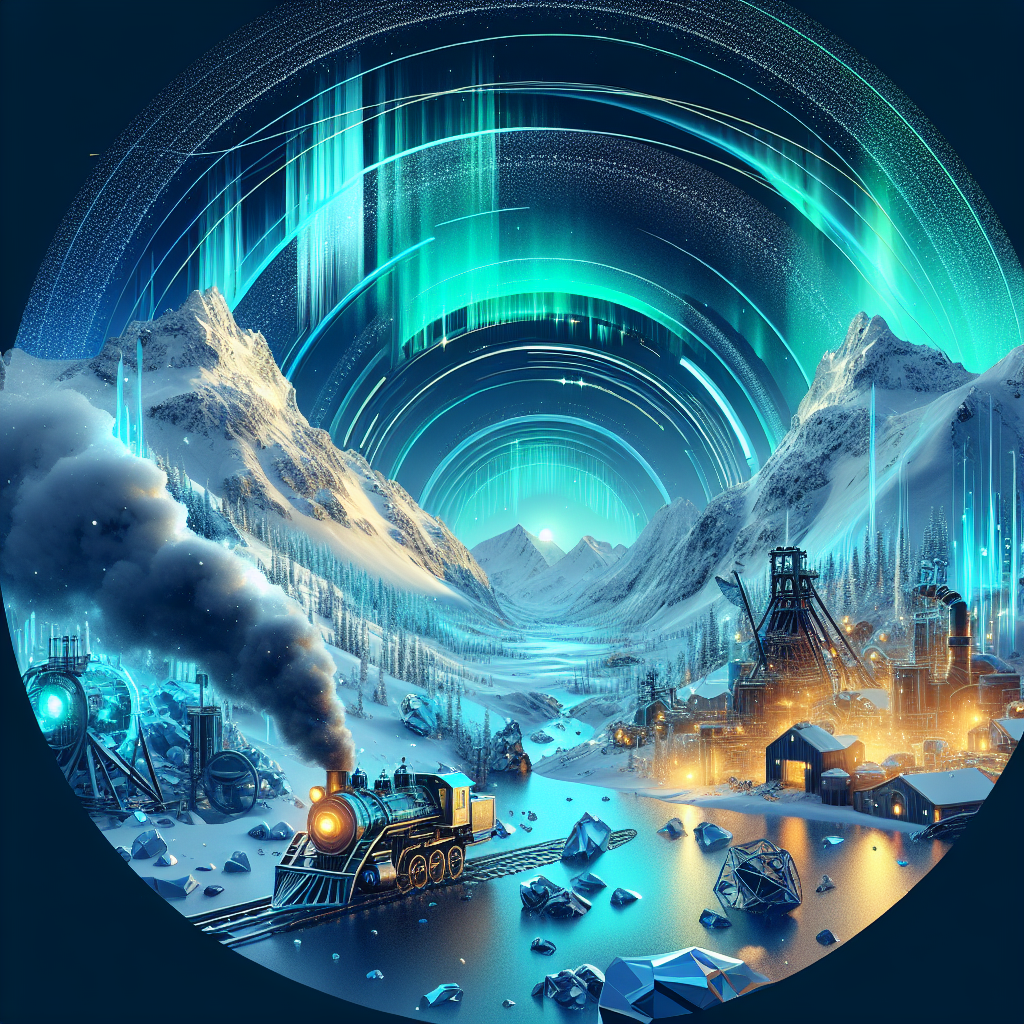

Imagine a small corner of Canada suddenly attracting thousands of treasure hunters, all dreaming of stupendous wealth. This wild phenomenon, known as the Klondike Gold Rush, took place in the late 1890s around the Yukon region after gold was discovered there in 1896. A large chunk of this story occurred in the territory of the Tagish people, a fact often overshadowed by the gleaming allure of gold. Seekers battled harsh winters, treacherous landscapes, and the chaos of hastily constructed boomtowns, dreaming of fortunes that most never found.
The narrative of the Klondike Gold Rush is not just an account of rugged individuals scurrying after gold; it’s also a reflection of the socio-economic forces at play during that era. The gold rush drew people from various walks of life: prospectors eager to strike it rich, entrepreneurs looking to profit from the burgeoning population, and many others whose stories weren’t as glamorous. But while some found opportunity, others were met with grave disappointment. The sordid tales of struggle amidst dreams of opulence reveal as much about humanity as they do about the period's unique challenges.
The bustling Gold Rush was sparked by the small-scale discovery of gold along the Klondike River. It quickly ballooned into a massive migration of hopefuls primarily from America but also from as far away as Europe, Asia, and Australia. At its peak, approximately 100,000 individuals were estimated to have set out for the Klondike region, with fewer than half actually making it to the gold fields. The journey was grueling, involving harsh travel across difficult terrain, including the infamous Chilkoot Trail with its ‘33-Weed Steps’ of icy climb.
The gold rush wasn’t merely about the pursuit of gold; it significantly impacted the development of the Pacific Northwest. It laid the foundations for infrastructure, from transportation networks to the establishment of small rough-hewn towns that would later evolve into cities. Yet, it's essential to acknowledge how the rush also disrupted Indigenous communities who lived in these areas long before the eager prospectors arrived. Lands were disturbed, and indigenous ways of life were significantly altered, triggering cultural and environmental changes.
This event is a classic example of the clashing of dreams and reality, where the American dream narrative collided with the harsh truths of nature and human limits. For many who reached the Yukon, the actual gold discoveries were small compared to overly sensational tales. Some savvy traders and store owners capitalized better than the miners themselves, successfully cornering market supplies essential to the everyday lives of the fortune seekers.
On the other hand, environmental and social impacts were profound. The mad rush saw landscapes scarred; rivers diverted, and the environment strained to its limits. The impacts spilled over into social challenges, leading to conflicts, lawlessness, and public disorder as law enforcement struggled to keep pace with the fast-rising population.
Those days also saw a unique intersection of cultures and backgrounds, creating a melting pot of sorts in the often harsh Canadian wilderness. People of different ethnic backgrounds rubbed shoulders, often uneasily, yet also finding a way to coexist as they navigated a segment of shared history. But these interactions can’t be romanticized without considering the prejudices that also traveled with them. These were times of significant racial and gender inequalities; while some women prospered, many more faced the crude realities of a sexist society.
The decline of the Klondike Gold Rush was as precipitous as its rise. By the turn of the century, larger and more accessible gold deposits were discovered elsewhere and technological advances shifted mining to more efficient methods. The fickle nature of 'gold fever' had moved on like a restless spirit, leaving behind ghost towns and tales of human determination.
Today, the Klondike Gold Rush is not just a story about eager miners but a reminder of a time when human ambition could change landscapes and lives on a massive scale. It’s a story of ambition, adventure, entrenched myths, and hard truths—both about the riches some sought and the impacts on those they displaced. By revisiting it, we learn not just about how far we’ve come but what societal responsibilities we cannot afford to overlook, so history doesn’t page-flip us unprepared into the future.