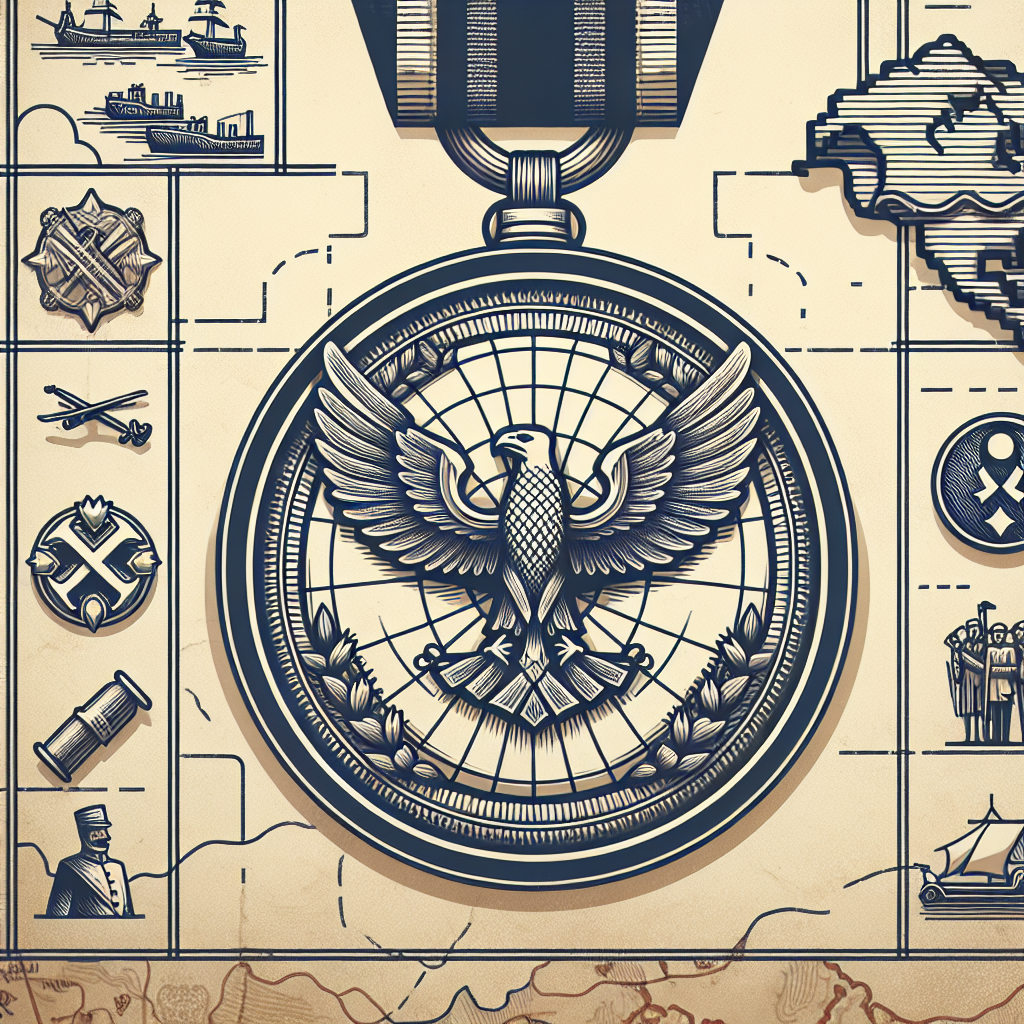

Why did a man from Norway become a symbol of freedom recognized worldwide? It's a captivating story rooted in history, courage, and international solidarity. The King Haakon VII Freedom Medal, named after Norway's king who reigned during some of the most tumultuous periods in European history, was first granted in 1945. This prestigious honor is awarded to those who have shown considerable contributions to the Norwegian resistance during World War II or have aided the country in maintaining its sovereignty in the face of adversity. The medal is awarded in Norway, home of King Haakon, who played a vital role during the war, redefining leadership and courage, not just for Norwegians but also for freedom-loving individuals everywhere.
King Haakon VII was a monarch who transcended his traditional role, becoming a beacon of hope during Norway's dark days of Nazi occupation. His own narrative begins in Denmark, where he was born Prince Carl of Denmark in 1872, before he was crowned the king of Norway in 1905. Haakon's commitment to his adopted homeland and his people was unwavering, earning him the love and respect that transcended generations.
The Freedom Medal is more than a shiny token. It was designed to symbolize the resilience and spirit of resistance during World War II, a conflict that saw King Haakon and the Norwegian people stand against overwhelming odds. When Germany invaded Norway in April 1940, King Haakon refused to surrender, leading the government-in-exile from London. His decision to resist and his broadcasts from exile became crucial morale boosters for Norwegians under occupation.
This medal was not just envisioned as a mere tribute; it was a commitment to remembering the monumental struggles against oppression. Its recipients are individuals or organizations that have demonstrated exceptional heroism, helping Norway weather the storm of war. They include war veterans, heroic efforts by citizens who spirited refugees to safety, and even international allies who played significant roles supporting the Norwegian cause.
The significance of the King Haakon VII Freedom Medal goes beyond honoring the past. It reminds us that the battle for freedom is a shared human undertaking. The medal has been given to a diverse group of recipients, underscoring a point that everyone has a stake and responsibility in upholding liberty and justice. While the honorees' actions took place decades ago, their legacies continue to offer lessons today. They offer a reminder of what it means to stand against tyranny, especially in times when democracy and freedom face new challenges worldwide.
Critics may wonder if medals or honors are enough or if they are merely superficial acknowledgments of deep complexities and struggles. They argue that focusing on symbolic gestures can sometimes overshadow ongoing issues that require real solutions. This perspective urges us to consider what true recognition and support of freedom fighters should entail. Symbolism, while powerful, must accompany tangible action.
In today's volatile political landscape, with rising authoritarianism in various corners of the globe, medals like King Haakon VII's do carry significant weight. They stand as historical testimony and commitment to those who fought against oppressive regimes. While some might say bestowing awards does little to rectify systemic issues, others would argue that these honors serve to inspire and challenge next generations to take action and protect hard-won freedoms.
There is a profound lesson in understanding the roots and purpose of such medals. Generation Z, growing up in a connected world with access to vast amounts of historical information, are well-positioned to continue this legacy by fostering dialogues about past and present struggles for justice and liberty. They are encouraged to recognize that while medals can acknowledge heroic acts, they must equally inspire actions that defend and elevate human rights today.
Yet, for a generation living at the crossroads of unprecedented technological advancement and socio-political divides, these symbols can also seem like relics of an era long past. However, history shows us that understanding the past is vital to shaping a better future. Recognizing sacrifices through medals like the King Haakon VII Freedom Medal can serve as powerful reminders that the struggle for freedom is ongoing and collective.
So, where does this leave us? The King Haakon VII Freedom Medal becomes more than a tangible accolade; it represents an enduring promise to uphold the values of courage, solidarity, and resistance against oppression. It acknowledges that even in the darkest times, there are those who dare to dream of and work towards a brighter, freer world.
As we reflect on the spirit embodied by the King Haakon VII Freedom Medal, let us be challenged to envision what freedom means in today's context and how we can contribute to it. Understanding the significance of such historical honors can illuminate our path forward, encouraging each of us to embrace our role in the timeless struggle for justice.