
What happens when a movie confronts you with brutal historical truth in a way that feels personal? 'The Killing Fields,' a powerfully dramatic film directed by Roland Joffé, does exactly that. Released in 1984, it tells the gripping story of the bond between two journalists during the Khmer Rouge era in Cambodia—a period of unfathomable suffering and turmoil. This powerful film throws audiences back to the 1970s with vivid realness, setting its stage across the geographically and politically scarred landscape of Cambodia at a time when truth was a dangerous commodity. Adapted from the real-life experiences of New York Times journalist Sydney Schanberg and his Cambodian counterpart, Dith Pran, the movie serves as a poignant reminder of the human cost of war.
The film focuses on Sydney Schanberg, played by Sam Waterston, and Dith Pran, portrayed by Haing S. Ngor, a real-life doctor captured and forced to endure labor camps under the Khmer Rouge regime. Their story is one of friendship and survival against the backdrop of a collapsing society. What makes 'The Killing Fields' truly unique is its unflinching look at the moral dilemmas faced by those covering the war and its impact on those living through it—even more powerful knowing that Ngor lived through such experiences firsthand.
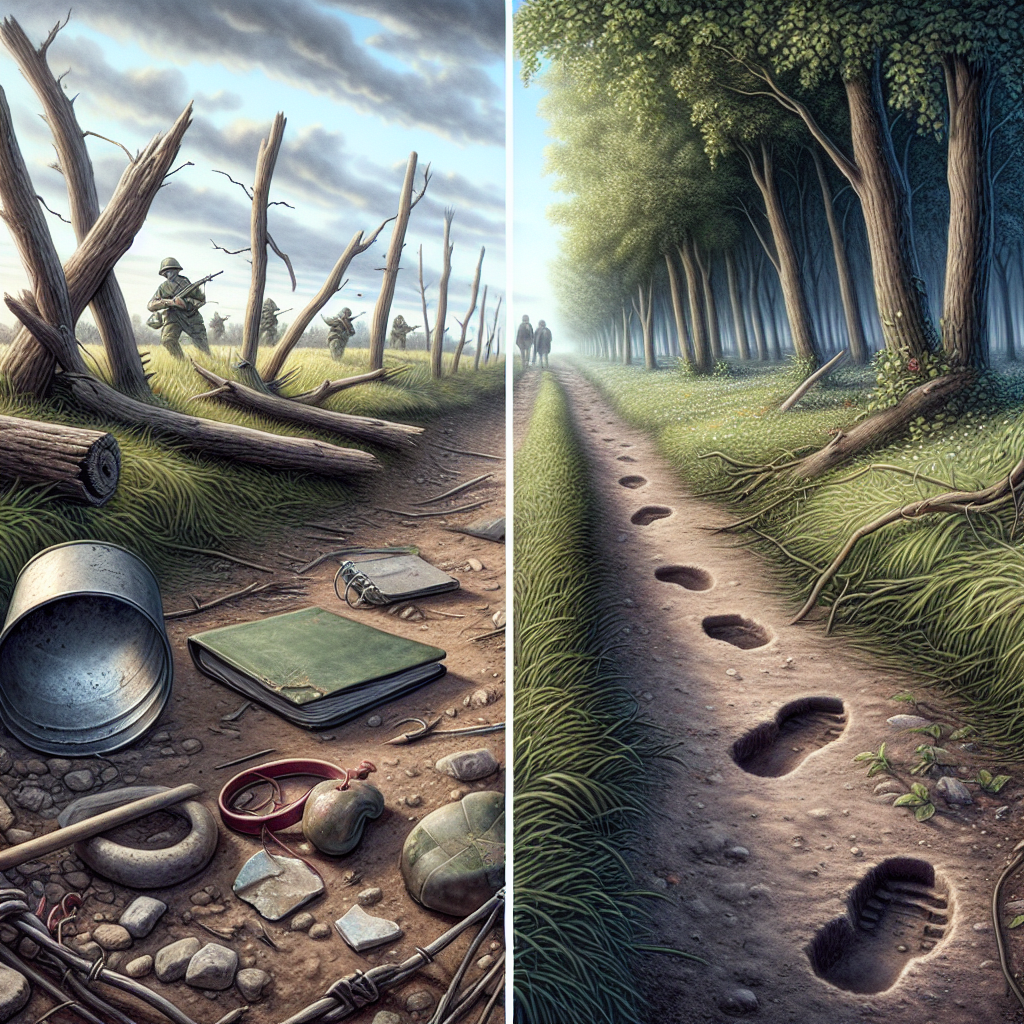
In bringing these historical events to life, 'The Killing Fields' goes beyond retelling a story from the past—it's a meditation on human resilience. Politics often feel removed from our daily lives, but this film makes them feel immediate and personal, highlighting the stark disparity between two worlds: one safe and another ripped apart by violence and turmoil. Watching Schanberg and Pran navigate their chaotic surroundings is like peering through a window into a world many choose to overlook. The film underscores a significant historical event with relevance that echoes into our contemporary political discourse.
From a liberal viewpoint, 'The Killing Fields' challenges us to confront our complicity in global conflicts. Historically, world powers have engaged in conflicts that devastate nations far from their borders, often for political gain. Here, the United States’ influence in Cambodia up to the Khmer Rouge takeover forces a reckoning with foreign policy decisions. Every explosive scene and crushing moment of silence forces viewers to see the very human costs of such international involvement.
Yet, even as it depicts governmental failings, the film does not demonize individuals. Schanberg and Pran’s friendship offers a glimpse of shared humanity transcending nationality. Their relationship tells us that human connections can bridge vast divides, highlighting a hopeful message wrapped in layers of despair. This is an acknowledgment that within the horrific machinery of war, personal stories of resilience, courage, and loyalty can exist and inspire.
Critics and scholars often cite the authentic performances as a hallmark of the film's success. Waterston and Ngor bring a rawness to their roles that resonates with viewers on a deep emotional level. Ngor's portrayal is especially poignant, considering his own harrowing past. Winning the Academy Award for Best Supporting Actor, Ngor’s performance transcends the screen, rooted deeply in his personal history. His real-life experiences lend extra weight to his role, making Dith Pran’s story one that audiences feel in their bones—not simply watch unfold from a distance.
While the movie also exposes ethical concerns regarding journalism, its balanced portrayal prompts viewers to consider the quest for truth amidst chaos. Schanberg's commitment to his duty, sometimes at the cost of his personal relationships and well-being, calls into question the lines journalists must tread in conflict zones. Reflecting the duality of responsibility versus personal relationships, it’s a theme that resonates across generations.
Opponents of the film might argue that it simplifies a complex political situation to fit a narrative, suggesting that personal stories can potentially overshadow the broader political picture or reduce it to mere backdrop. However, the personal element is exactly what makes the narrative powerful. By telling Schanberg and Pran's story, the film encourages viewers to empathize with individuals in the midst of large-scale human rights violations and brings global events into strikingly personal focus.
Made nearly four decades ago, 'The Killing Fields' remains relevant today. Its themes of friendship, survival, and the quest for truth in the midst of political chaos are ever pertinent in a world where conflict zones continue to exist and impact countless lives. As Gen Z, aware of, and participating in politically infused conversations thanks to the internet, understanding historical contexts such as this and their long shadows can inform how we perceive and engage with current global issues.
Ultimately, 'The Killing Fields' provides more than entertainment—it offers education about a dark chapter in history, motivating viewers to pause and reflect on the continuing impact of past decisions. Through these captivating yet haunting depictions, the film serves as a clarion call towards compassion and understanding—a message as necessary now as it was when the film first debuted.