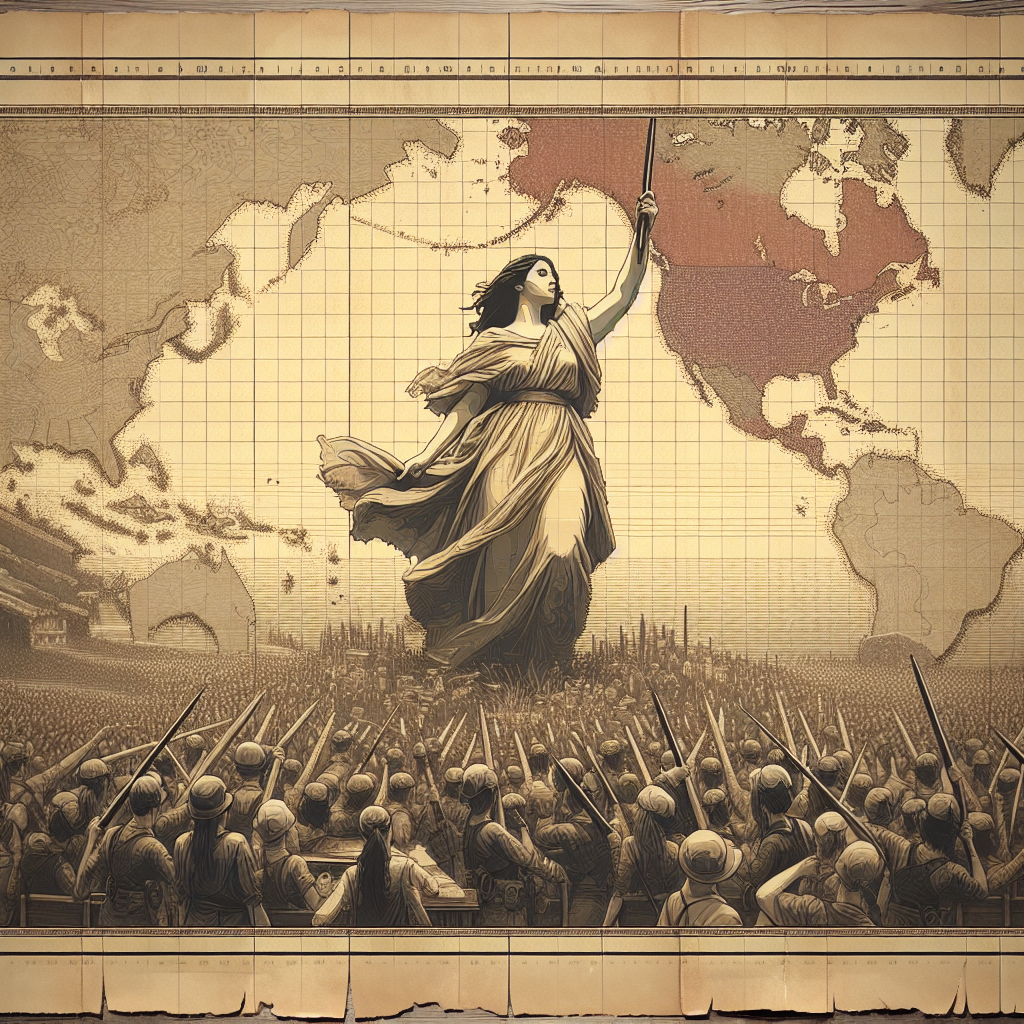

Keum Suk Gendry-Kim, a name that might not be immediately on the tip of your tongue, is making waves in the world of graphic novels. She’s a South Korean artist whose bold illustrations and gripping storytelling are capturing hearts and minds across the globe. Born in 1971 in Goheung County, Korea, Keum Suk brings a unique perspective, surrounding the nail-biting historical and personal narratives of her own culture. Her creations are not just stories; they are gateways into the complex history of Korea, presented with an artist's precision and an empathetic heart.
Known predominantly for her graphic novels like Grass and The Waiting, Keum Suk navigates the often turbulent waters of 20th-century Korean history. Her work gives voice to the silenced stories of comfort women—women forced into sexual slavery during the Japanese occupation—and the emotionally wrenching separation of families during the Korean War. The illustrations are said to be hauntingly moving, a blend of dark, layered ink drawings that embody the grittiness of reality and the tenderness of human endurance.
Though storytelling is an ancient craft, Keum Suk’s method combines art and narrative in a way that’s modern and captivating to a wider audience, especially useful in captivating young readers and the broader Gen Z audience. In her hands, the graphic novel becomes more than art; it's a vessel for historical truths and empathy.
You might wonder why someone like Keum Suk chooses these heavy themes. The answer lies partly in her upbringing and experiences. Growing up in Korea, she was profoundly influenced by the historical struggles of her country—stories that were not often recounted in mainstream history books. Instead of shying away from these harsh realities, she embraced them, challenging herself and her readers to confront uncomfortable truths. This bravery can be seen in her passionate advocacy for peace and justice, often addressing themes like sadness and love in her work.
For those unfamiliar with Southeast Asian history, understanding the gravity of the Japanese occupation in Korea requires a bit of imagination. Imagining a relative disappearance may seem unimaginable, yet that was the reality for many Korean families. Keum Suk’s Grass tells the true story of a "comfort woman" kidnapped and forced into such situations. This narrative carries the audience through her protagonist's experience, evoking a profound empathy while also raising awareness about past and ongoing injustices.
Keum Suk has also gained attention for The Waiting. It spotlights the Korean War's impact, focusing on families torn apart by the conflict and the long-lasting emotional scars such separation left. This work was inspired partially by Keum Suk’s own family history, as her mother and aunt were separated for fifty years by the North and South Korean border. By narrating these stories, Keum Suk turns personal tragedy into a relatable narrative that resonates on a universal level.
Despite the heavy thematic material, Keum Suk infuses her work with hope. Her art is not merely a recounting of past pains but a celebration of resilience and the human capacity for compassion. She builds bridges through her narratives, seeking to connect readers to the shared human experience, regardless of one's background.
Some critics argue that graphic novels might oversimplify complex histories, suggesting that visual storytelling cannot match the depth of literary texts. Yet, Keum Suk's work might just prove the opposite. Her ability to portray raw emotion and intricate narratives through illustration complements detailed written accounts, providing a multipronged approach to understanding history. Graphic novels reach audiences who might not engage with traditional texts, thus preserving these stories in a vibrant way.
Moreover, Keum Suk’s work holds value not only aesthetically but also educationally. As schools grow keener to include diverse perspectives in their curriculum, her approach offers a rich, teachable resource to educate students about complex social issues realistically and empathetically. Her stories stimulate readers to empathize, think critically, and perhaps even inspire activism.
By blending vivid artwork with poignant storytelling, Keum Suk Gendry-Kim reaffirms the power of art as a tool for social change. Her narratives are a testament to the endurance of the human spirit in the face of adversity. As the world continues to grapple with issues of justice, her stories remind us of the importance of understanding our shared histories and taking action to ensure a better future for generations to come.